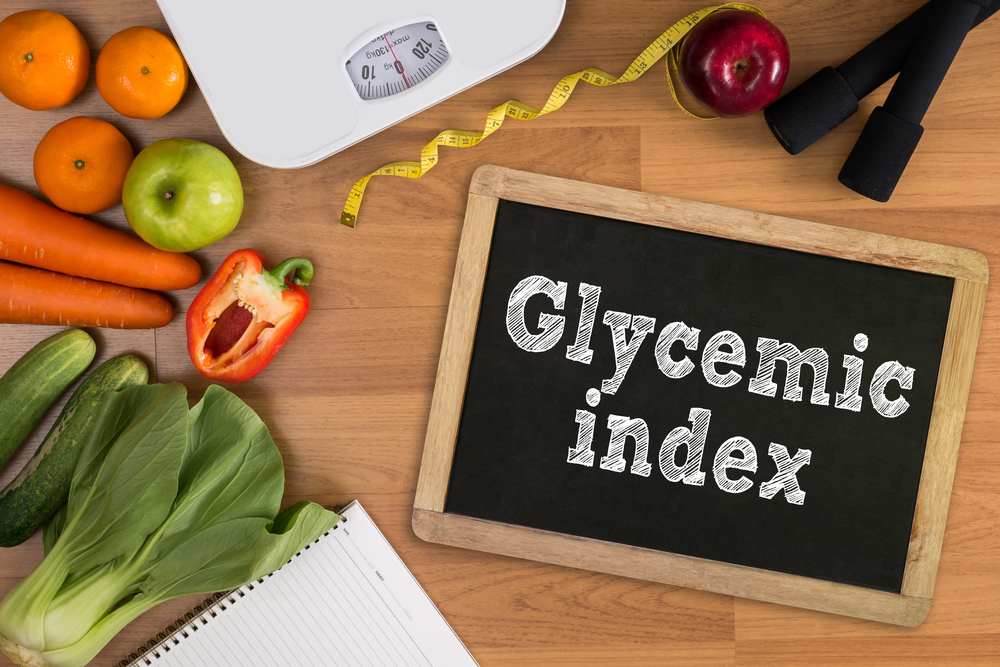
Managing diabetes involves making thoughtful decisions every day, especially about the food you eat. It can feel complex, but there are tools to help simplify the process. One of the most useful is the glycemic index (GI). The relationship between the glycemic index and diabetes management is centered on understanding how different foods affect your blood sugar. Our commitment is to provide you with clear, professional, and compassionate information to help you use the GI as a practical guide for making nutritious choices that support your overall health and well-being. At Doral Health & Wellness, we have all the answers you need.
What is the Glycemic Index?
The glycemic index is a measurement system that ranks carbohydrate-containing foods on a scale of 0 to 100 based on how much they raise blood sugar levels after being eaten. Foods with a high GI are digested and absorbed quickly, causing a rapid spike in blood sugar. Foods with a low GI are digested more slowly, leading to a gentler, more gradual rise. Pure glucose serves as the reference point with a GI score of 100.
We recognize it is important to know that the GI only applies to foods that contain carbohydrates. Therefore, foods like meats, fish, oils, herbs, and spices do not have a GI value.
Factors That Affect a Food’s GI
The GI score of a food is not always fixed. We want you to be aware of several factors that can influence it:
- Ripeness: The riper a fruit or vegetable, the higher its GI. For example, a ripe banana has a higher GI than a green one.
- Processing: Highly processed foods, like instant oatmeal or white bread, tend to have a higher GI than their less-processed counterparts, such as steel-cut oats or whole-grain bread.
- Cooking Method: The way you cook a food can alter its GI. For instance, boiled potatoes have a lower GI than baked potatoes.
- Food Composition: Eating carbohydrates as part of a mixed meal that includes protein, fat, or fiber can lower the overall GI of the meal by slowing down digestion.
Using the Glycemic Index for Diabetes Control
Understanding GI scores can help you plan your meals to better manage blood sugar. Foods are generally categorized into three groups.
- Low-GI Foods (Score of 55 or less): These are digested slowly and cause a gradual rise in blood sugar. We recommend making these foods the foundation of your diet. Examples include most fruits and vegetables, beans, lentils, whole grains like barley and oats, and nuts.
- Medium-GI Foods (Score of 56 to 69): These foods have a moderate impact on blood sugar. They can be included in your diet in moderation. Examples include whole wheat bread, brown rice, and some fruits like pineapple.
- High-GI Foods (Score of 70 or more): These are absorbed quickly and can cause a sharp spike in blood sugar. We advise limiting these foods. Examples include white bread, white potatoes, sugary cereals, and watermelon.
The Difference Between Glycemic Index and Glycemic Load
While the GI is a helpful tool, it does not tell the whole story because it doesn’t account for portion size. This is where the glycemic load (GL) becomes useful. The GL considers both the GI of a food and the amount of carbohydrates in a serving.
For example, watermelon has a high GI, but a typical serving contains few carbohydrates, so its GL is low. We believe understanding both GI and GL can provide a more accurate picture of how a food will affect your blood sugar.
Building a Low-Glycemic Diet
Adopting a low-GI eating plan does not have to be restrictive. It is about making smart swaps and focusing on whole, nutritious foods. We are here to offer professional guidance to help you get started.
- Choose Whole Grains: Opt for sourdough, pumpernickel, or 100% whole-grain bread instead of white bread. Select brown rice, quinoa, or barley over white rice.
- Fill Up on Non-Starchy Vegetables: Broccoli, cauliflower, carrots, and leafy greens are all excellent low-GI choices.
- Incorporate Legumes: Lentils, chickpeas, and beans are packed with fiber and have a low GI.
- Enjoy Fruits in Moderation: Apples, berries, peaches, and pears are great low-GI options.
- Include Lean Protein and Healthy Fats: Adding protein and fat to a meal helps lower its overall glycemic impact.
Your Partner in Health
We understand that making dietary changes is a journey. By focusing on the principles of the glycemic index and diabetes management, you are taking a powerful, proactive step toward stabilizing your blood sugar and improving your overall health. This approach can help lower cholesterol, support weight management, and reduce your risk of heart disease.
Our dedicated team is here to provide the compassionate and professional support you need. If you would like to create a personalized diet plan that works for you, we encourage you to contact the Doral Health & Wellness Diabetes Management Department. If you need help with diabetes management, visit us to get professional medical help. Our diabetologists create personalized treatment plans to ensure that you lead a fulfilling life. Book your appointment now, call us on + 1-718-367-2555 to get your condition treated!!! Learn more about Diabetes at www.doralhw.org. and stay up to date on current health topics and new research. If you need help, register your information and make direct contact with us at https://yuz88hfiyh7.typeform.com/Doralintake. Or visit us at 1797 Pitkin Avenue, Brooklyn, NY 11212.