
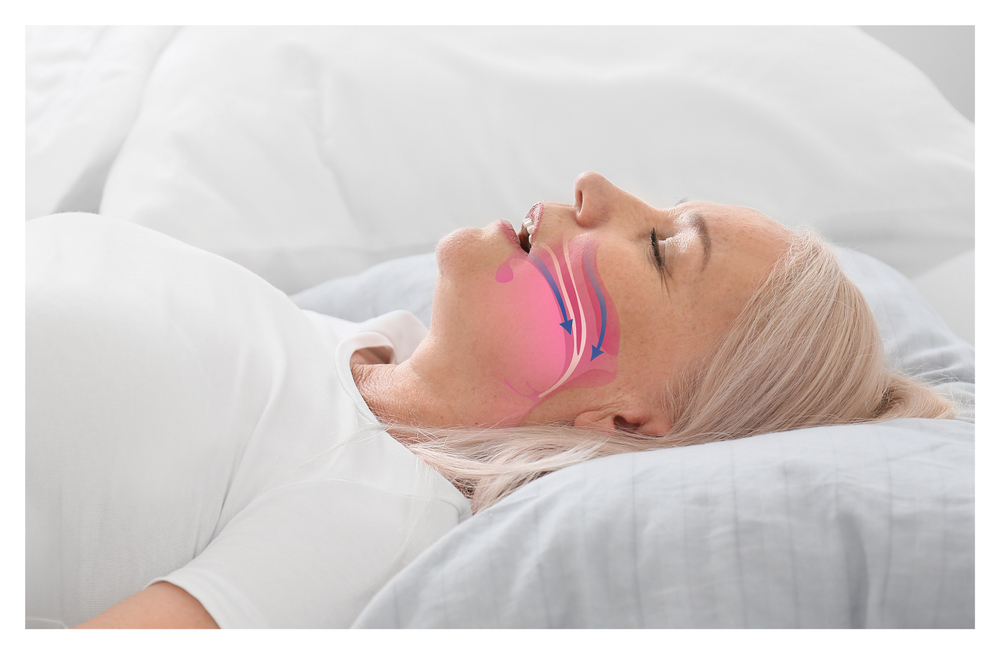
The link between sleep and weight management is a deep, biological connection that can significantly impact your body’s ability to lose weight and maintain it. Poor sleep can disrupt hormones, increase cravings, and sabotage even the most dedicated efforts. Our commitment is to provide you with clear, professional information to help you understand this vital connection and empower you to make sleep a priority for your overall well-being. Log on to www.doralhw.org. to schedule an appointment with us.
How Sleep Deprivation Affects Your Weight
When you do not get enough quality sleep, your body undergoes a series of hormonal changes that can directly lead to weight gain. We want to help you understand this science so you can see why rest is a non-negotiable part of a healthy lifestyle.
The Hormonal Imbalance
Two key hormones that regulate hunger and fullness are profoundly affected by sleep: ghrelin and leptin.
Ghrelin (The “Hunger” Hormone): This hormone stimulates your appetite. When you are sleep-deprived, your body produces more ghrelin, making you feel hungrier than usual.
Leptin (The “Satiety” Hormone): This hormone signals to your brain that you are full. With inadequate sleep, your leptin levels drop, meaning you do not feel as satisfied after eating and are more likely to overeat.
This hormonal one-two punch creates a perfect storm for weight gain. You feel hungrier, and it takes more food to feel full, making it much harder to stick to a healthy eating plan.
Increased Cortisol and Cravings
As we have discussed in relation to stress, sleep deprivation is a major stressor on the body. This causes an increase in the stress hormone cortisol. Elevated cortisol levels can increase your appetite, particularly for foods that are high in sugar and fat. This is your body’s primitive response to seek out quick energy when it feels threatened or exhausted. This is a key reason why the importance of sleep cannot be underestimated for healthy weight loss.
The Behavioral Impact of Poor Sleep
Beyond the physiological changes, a lack of sleep also affects your behavior and decision-making abilities, making it more challenging to stay on track with your weight management goals.
Reduced Willpower and Poor Choices
The part of your brain responsible for complex decision-making and impulse control, the prefrontal cortex, is highly impaired by a lack of sleep. We understand this makes it incredibly difficult to make healthy choices. When you are tired, you are far more likely to:
Reach for convenient, processed foods instead of preparing a nutritious meal.
Skip a planned workout due to a lack of energy and motivation.
Give in to cravings for unhealthy snacks.
Decreased Physical Activity
Fatigue naturally leads to a more sedentary day. When you are tired, you have less energy for intentional exercise and are also less likely to engage in the small, non-exercise movements throughout the day—like taking the stairs or walking—that contribute to your total calorie burn.
Practical Tips to Improve Your Sleep for Better Weight Management
Prioritizing sleep is one of the most effective strategies you can adopt to support your weight management journey. We are here to offer professional guidance on building healthy sleep habits.
- Create a Consistent Sleep Schedule
Consistency is key to regulating your body’s internal clock, or circadian rhythm.
Set a Regular Bedtime and Wake-Up Time: Try to go to bed and wake up at the same time every day, even on weekends. This helps stabilize your sleep patterns.
- Optimize Your Sleep Environment
Your bedroom should be a sanctuary for rest. We advise making it cool, dark, and quiet.
Block Out Light: Use blackout curtains or a sleep mask to create a dark environment.
Minimize Noise: Consider using a white noise machine or earplugs to block out disruptive sounds.
Keep it Cool: A cooler room temperature is generally more conducive to sleep.
- Develop a Relaxing Bedtime Routine
A calming pre-sleep ritual can signal to your body and mind that it is time to wind down.
Disconnect from Screens: The blue light from phones, tablets, and computers can interfere with melatonin production, the hormone that controls sleep. We recommend putting screens away at least an hour before bed.
Try Relaxing Activities: Read a book, take a warm bath, listen to calming music, or practice gentle stretching to prepare for sleep.
- Be Mindful of What You Eat and Drink Before Bed
What you consume in the hours leading up to bedtime can impact your sleep quality.
Avoid Large Meals: A heavy meal close to bedtime can cause discomfort and indigestion.
Limit Caffeine and Alcohol: Both can disrupt sleep patterns. We suggest avoiding caffeine in the afternoon and evening.
Your Partner in Health
We understand that achieving healthy weight loss requires a holistic approach that nurtures your entire body. The critical relationship between sleep and weight management highlights the importance of rest as a foundational pillar of health. By recognizing the importance of sleep and taking proactive steps to improve your sleep hygiene, you can support your hormonal balance, improve your decision-making, and give yourself the energy you need to succeed.
Take the first step toward better rest and better health. We encourage you to prioritize a consistent sleep schedule this week and see how it supports your energy levels and wellness goals. If you need further guidance, our compassionate team is here to help. Always listen to your body and adjust your daily routine to prioritize your well-being. If you are looking for a weight loss surgery center near you, contact us on +1 718 367 2555 for a consultation with our bariatric doctors. Want to learn more about types of bariatric surgery like Gastric sleeve surgery, Laparoscopic surgery, Gastric bypass surgery, Sleeve gastrectomy, or LAP band surgery? Doral Health and Wellness has one of the best bariatric doctors and surgeons to treat obesity and weight problems. Book your appointment and walk in at 1797 Pitkin Avenue, Brooklyn, New York 11212.


