
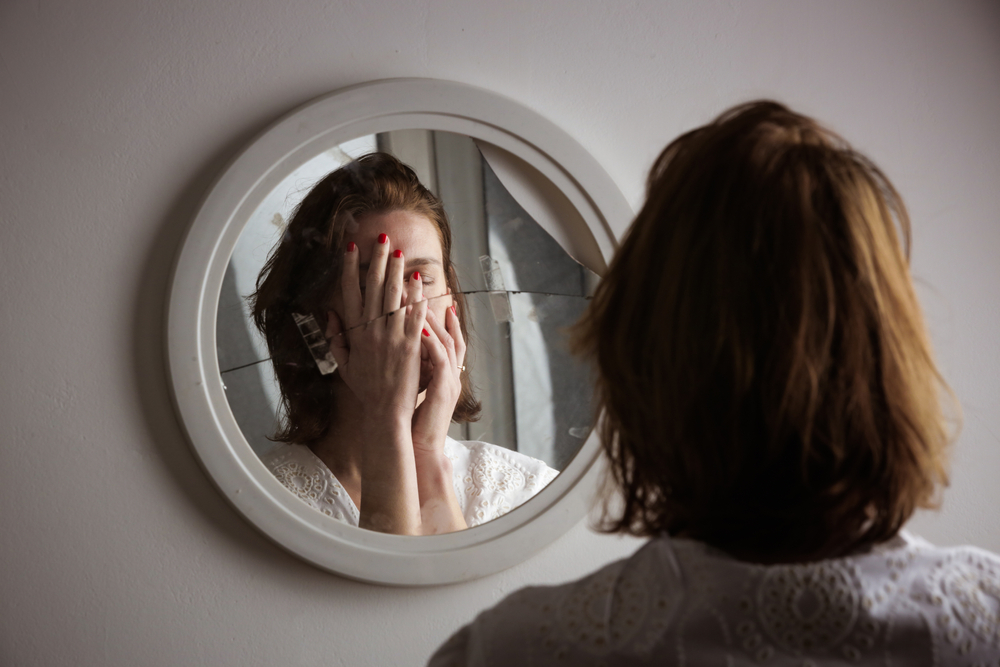
Depression is a mental health condition that goes beyond temporary sadness. It can affect your thoughts, emotions, and even physical health, leading to symptoms like persistent sadness, loss of interest in activities, fatigue, and even physical pain. Left untreated, depression can severely impact your daily life and may lead to self-harm or suicidal thoughts.
The good news? Depression is treatable. With the right combination of therapy, medication, and support, individuals can regain control of their lives. Let’s explore the different types of depression, their symptoms, and treatment options. At Doral Health & Wellness, we have all the answers you need.
What Is Depression?
Depression is a mental health disorder characterized by persistent feelings of sadness, hopelessness, and a lack of interest in activities you once enjoyed. It can also manifest physically, causing symptoms like fatigue, changes in appetite, and difficulty concentrating.
Common Symptoms of Depression:
Persistent sadness or emptiness
Loss of interest in hobbies or activities
Fatigue and low energy
Difficulty sleeping or oversleeping
Changes in appetite or weight
Feelings of worthlessness or guilt
Trouble concentrating or making decisions
Suicidal thoughts or behaviors
If you or someone you know is experiencing these symptoms, it’s important to seek help from a healthcare professional.Visit the best Mental Health Clinic in Brooklyn at Doral Health & Wellness or log on to www.doralhw.org.
Types of Depression
Depression comes in various forms, each with unique symptoms and treatment approaches. Here are the most common types:
- Major Depressive Disorder (MDD)
Also known as clinical depression, MDD is characterized by intense symptoms that last for at least two weeks.
Symptoms:
- Persistent sadness or hopelessness
- Loss of interest in people, places, or activities
- Weight changes (gain or loss)
- Sleep disturbances (insomnia or oversleeping)
- Fatigue and lack of energy
- Difficulty concentrating or making decisions
- Suicidal thoughts or behaviors
Treatment: MDD is typically treated with a combination of talk therapy (psychotherapy) and medication, such as antidepressants.
- Persistent Depressive Disorder (PDD)
Also called dysthymia, PDD is a chronic form of depression where symptoms last for two years or more.
Symptoms:
- Low mood that persists most of the day
- Feelings of hopelessness
- Low self-esteem
- Fatigue and lack of energy
Treatment: Treatment often involves psychotherapy, medication, or a combination of both.
- Bipolar Depression
Bipolar disorder, also known as manic depression, involves extreme mood swings ranging from manic (high-energy) episodes to depressive (low-energy) episodes.
Symptoms:
- High-energy phases: Hyperactivity, impulsive behavior, and euphoria
- Low-energy phases: Symptoms of major depression
Treatment: Mood stabilizers, antidepressants, and psychotherapy are commonly used to manage bipolar depression.
- Seasonal Affective Disorder (SAD)
SAD is a type of depression that occurs during specific seasons, typically in winter when there’s less sunlight.
Symptoms:
- Low energy
- Oversleeping
- Cravings for carbohydrates
- Feelings of sadness or hopelessness
Treatment: Light therapy, antidepressants, and lifestyle changes can help alleviate symptoms.
- Psychotic Depression
This severe form of depression includes symptoms of psychosis, such as hallucinations, delusions, or paranoia, alongside depressive symptoms.
Treatment: A combination of antidepressants, antipsychotic medications, and psychotherapy is often recommended.
- Peripartum (Postpartum) Depression
This type of depression affects women during pregnancy or after childbirth. Interestingly, it can also affect men during their partner’s peripartum period.
Symptoms:
Intense sadness or anxiety
Difficulty bonding with the baby
Fatigue and irritability
Treatment: Antidepressants and therapy are effective in managing postpartum depression.
- Premenstrual Dysphoric Disorder (PMDD)
PMDD is a severe form of premenstrual syndrome (PMS) that causes significant mood swings and physical symptoms.
Symptoms:
- Irritability and mood swings
- Anxiety and depression
- Changes in appetite and sleep patterns
Treatment: Antidepressants, hormonal treatments, and lifestyle changes can help manage PMDD.
- Atypical Depression
Unlike typical depression, individuals with atypical depression may experience mood improvements in response to positive events.
Symptoms:
- Increased appetite or weight gain
- Oversleeping
- Heaviness in the arms or legs
Treatment: Selective serotonin reuptake inhibitors (SSRIs) or monoamine oxidase inhibitors (MAOIs) are commonly prescribed.
- Treatment-Resistant Depression
This type of depression doesn’t respond to standard treatments like medication or therapy.
Treatment: Unconventional approaches, such as electroconvulsive therapy (ECT) or transcranial magnetic stimulation (TMS), may be recommended.
Am I Depressed or Just Sad?
It’s normal to feel sad after a difficult event, but sadness typically fades with time. Depression, on the other hand, is a persistent condition that doesn’t go away on its own. If you’re unsure whether you’re experiencing sadness or depression, consider the duration and intensity of your symptoms.
Getting Help for Depression
Depression is a serious but treatable condition. If you’re struggling with symptoms of depression, don’t hesitate to seek help. With the right support, you can regain control of your life and find joy again. Visit our behavioral health clinic in Brooklyn to get professional medical help. For further inquiries, call us on +1- 718-367-2555 to get a consultation. We have some of the finest psychiatrist doctors who listen to your concerns, examine your symptoms, and create a treatment plan to improve your condition as soon as possible. If you need help learning coping methods, register your information and make direct contact with our doctors and psychiatrists to learn those methods, log on to www.doralw.org. Visit us at 1797 Pitkin Avenue, Brooklyn, NY 11212.


