
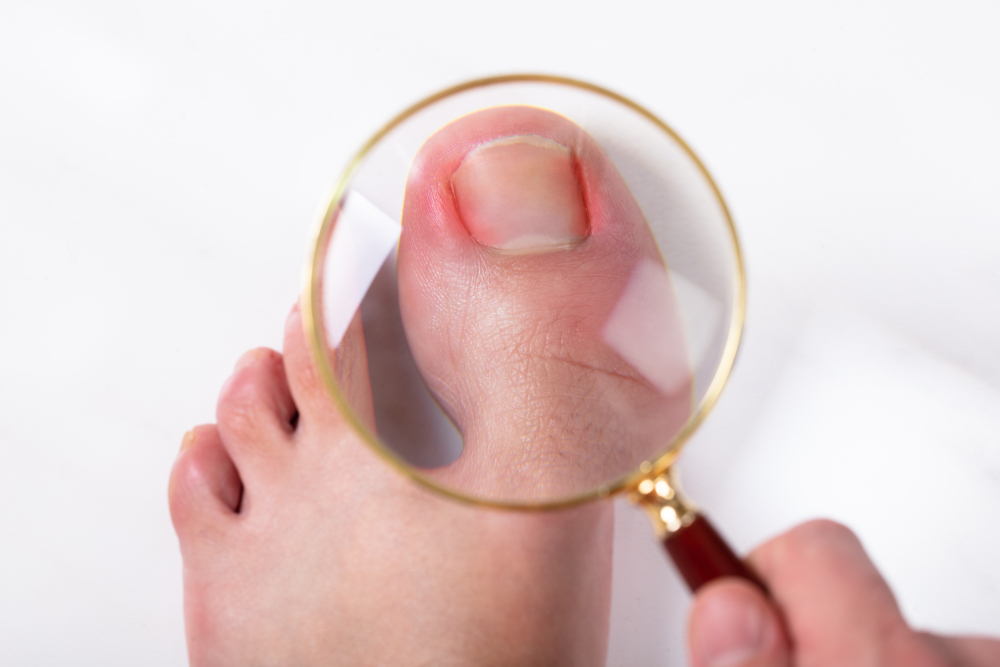
An ingrown toenail is a common and surprisingly painful condition that occurs when the edge of a toenail grows into the surrounding skin. The resulting pain, redness, and swelling can make wearing shoes and even walking uncomfortable. For mild cases, simple home care for ingrown toenails can often resolve the issue. However, it is just as important to recognize the signs of ingrown toenails and when to see a doctor to prevent complications like infection. This guide will help you manage a minor ingrown toenail at home and understand when it’s time to seek professional help. Get a consultation with the best Podiatrists in Brooklyn.
Effective Home Care for Ingrown Toenails
If you catch an ingrown toenail early and it shows no signs of infection (like pus or severe redness), you can often treat it effectively at home. The goal is to soften the skin and encourage the nail to grow out correctly.
- Soak Your Foot in Warm Water
Soaking the affected foot in warm, soapy water for 15-20 minutes, three to four times a day, is one of the most effective first steps. This helps reduce swelling and relieve tenderness. Adding Epsom salts to the water can provide additional relief.
- Gently Lift the Nail
After soaking, gently dry your foot. You can then try to carefully lift the edge of the ingrown nail. Place a small piece of clean cotton or dental floss under the nail border. This separates the nail from the overlying skin, helping the nail grow above the skin edge. Change the cotton or floss daily.
- Apply Antibiotic Ointment and Bandage
After lifting the nail, apply an over-the-counter antibiotic ointment to the area to help prevent infection. Cover the toe with a bandage to provide a clean, cushioned environment.
- Wear Comfortable Shoes
Choose sensible footwear while your toe is healing. Opt for open-toed shoes or shoes with a wide toe box that do not put pressure on the affected toenail. This gives the area space to heal and prevents the problem from worsening.
What Not to Do: Avoid the temptation to perform “bathroom surgery.” Do not try to cut the ingrown portion of the nail yourself. This can easily make the problem worse, cause more pain, and introduce a serious infection.
Ingrown Toenails: When to See a Doctor
While home treatment is often sufficient, there are clear signs that indicate you need to seek professional medical attention. Ignoring these signs can lead to a more severe infection that may spread beyond the toe.
Signs You Need to See a Podiatrist:
- Signs of Infection: If you notice increasing redness, swelling that spreads, throbbing pain, pus, or if the area feels warm to the touch, it is likely infected.
- Severe Pain: If the pain is severe and interferes with your ability to walk or perform daily activities, it’s time to see a professional.
- You Have Diabetes or Poor Circulation: Individuals with diabetes, nerve damage in the foot, or poor circulation are at a much higher risk for complications from an ingrown toenail. You should see a podiatrist immediately at the first sign of an issue and avoid any at-home treatment.
- The problem is recurring: If you get ingrown toenails frequently, there may be an underlying issue with your nail shape or foot mechanics that a specialist needs to address.
What to Expect at the Podiatrist’s Office
A visit to a podiatry clinic in Brooklyn for an ingrown toenail is a straightforward process. A podiatrist can provide immediate relief safely and effectively.
- Lifting the Nail: For a minor case, a doctor can lift the nail edge and place a splint or cotton under it to help it grow properly.
- Partial Nail Removal: If the condition is more severe or infected, the podiatrist may numb the toe and remove the ingrown portion of the nail. This procedure, called a partial nail avulsion, provides significant relief and allows the infection to drain and heal.
- Full Nail Removal: For recurrent problems, the doctor may recommend removing the nail along with the underlying tissue (nail bed) to prevent that portion of the nail from growing back.
Preventing Future Ingrown Toenails
Once your ingrown toenail has healed, you can take simple steps to prevent it from happening again.
- Trim Your Toenails Correctly: Cut your toenails straight across. Do not curve the corners or trim them too short.
- Wear Shoes That Fit Properly: Ensure your shoes are not too tight or narrow, as this can put pressure on your big toes.
- Check Your Feet: Regularly inspect your feet for any signs of trouble, especially if you have a condition that affects foot health.
An ingrown toenail can be more than just a nuisance. By using proper home care techniques and knowing when to seek professional help, you can avoid unnecessary pain and infection. If you’re struggling with a painful or infected toenail, contact our podiatry clinic in Brooklyn to schedule a consultation for quick and effective relief. At Doral Health & Wellness, we have Podiatrists with extensive education and expertise. Our address is 1797 Pitkin Avenue, New York, NY 11212. To make an appointment, please call + 1 718 367 2555, or register your information and make direct contact with us at https://yuz88hfiyh7.typeform.com/Doralintake or send an email to info@doralhw.org.


