Dermatology

Phototherapy

A light-based treatment for chronic skin conditions.

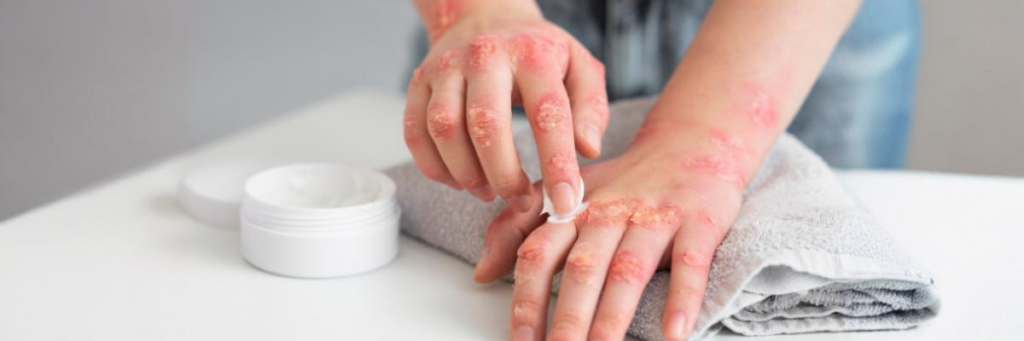
Phototherapy involves exposing affected skin to controlled doses of ultraviolet (UV) light to reduce inflammation, slow abnormal skin cell growth, and improve symptoms of various chronic skin diseases.

What is Phototherapy?

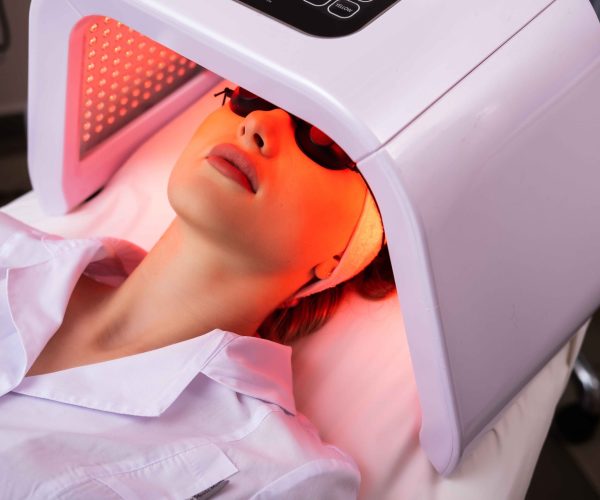
Phototherapy involves exposing affected skin to controlled doses of ultraviolet (UV) light to reduce inflammation, slow abnormal skin cell growth, and improve symptoms of various chronic skin diseases. It is commonly used for conditions such as psoriasis, eczema, vitiligo, and cutaneous T-cell lymphoma. Treatments are typically administered in a clinical setting using specialized light boxes or handheld devices, and protocols are tailored to each patient’s condition and skin type.

This procedure helps to:

  • Minimize the need for systemic medications and their side effects
  • Reduce skin inflammation and itching
  • Slow rapid turnover of skin cells
  • Improve overall skin appearance and texture
  • Manage symptoms of chronic skin diseases effectively

What to expect after Phototherapy?

Sessions are usually quick and painless, lasting between 15 and 30 minutes. Patients may feel a mild warming sensation during treatment. Improvements typically become noticeable after several weeks of consistent therapy. Some patients may experience mild redness, dryness, or itching following sessions. Protective eyewear is mandatory during treatment to prevent eye damage. Phototherapy is safe when administered correctly and with regular monitoring.

  • Mild warmth or redness on treated skin areas
  • Temporary dryness or mild itching following sessions
  • Gradual reduction in symptoms over multiple treatments
  • Noticeable improvement in skin condition with continued therapy
  • Minimal downtime allowing normal daily activities

Why is it performed?

  • To manage chronic inflammatory skin conditions like psoriasis and eczema
  • To reduce frequency and severity of flare-ups
  • To treat resistant skin diseases not responsive to topical therapy
  • To improve quality of life by controlling skin symptoms
  • To reduce dependence on systemic medications with more side effects

Risks and Considerations

  • Temporary redness or mild burning sensations
  • Increased sensitivity to sunlight, requiring sun protection
  • Dryness or peeling of treated skin areas
  • Rare risk of blistering if overexposed or improperly administered
  • Mandatory use of protective eyewear during treatment to prevent eye injury

Early detection is important for managing the condition and preventing further complications.

Schedule a consultation today.

FAQs

Is it painful?
Phototherapy is generally painless, with most patients feeling only gentle warmth or mild tingling during sessions.
Sessions last approximately 15 to 30 minutes, depending on the condition and treatment protocol.
Yes, phototherapy is an outpatient treatment with no recovery time needed.
Moisturize the skin regularly and avoid excessive sun exposure to protect treated areas.
Contact your healthcare provider if you experience severe redness, burns, blistering, or any unexpected side effects.

Doral Health & Wellness Skin Health Department

Doral Health & Wellness Dermatology offers comprehensive skin care services for all ages and skin types. Our expert dermatologists provide personalized care for various skin conditions, including acne, eczema, psoriasis, and skin cancer. We offer advanced treatments and cosmetic procedures to help you achieve healthy, radiant skin.

Dermatology

More Dermatology Procedures

Health Corner

Recent Articles

Perform Your Search Within the Site

Just write what you want and you will find it.

Generic selectors
Exact matches only
Search in title
Search in content
Post Type Selectors