Infectious Disease

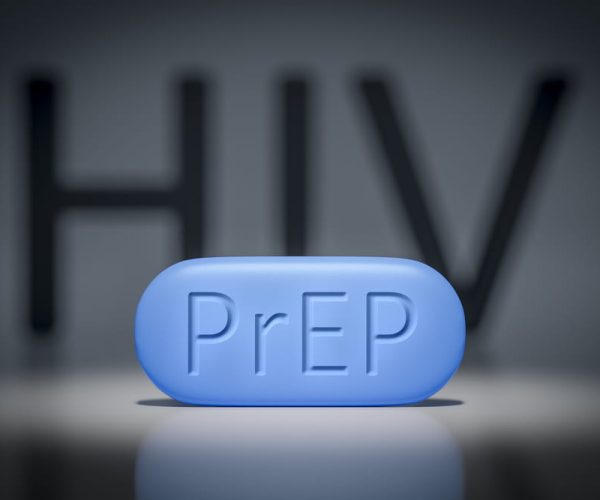
PrEP (Pre-Exposure Prophylaxis)

A preventive medication that significantly reduces the risk of acquiring HIV before exposure.

PrEP

What is PrEP?

PrEP is a preventive treatment for people who are HIV-negative but at higher risk of exposure. It uses antiretroviral medications that block the virus from entering immune cells and replicating, helping prevent infection if exposure occurs.

This treatment helps to:

  • Shorten the window of vulnerability before potential exposure
  • Reduce the risk of acquiring HIV from sex by about 99% when taken as prescribed
  • Lower the risk of HIV from injection drug use by at least 74%
  • Provide an additional layer of protection alongside other preventive measures
  • Support long-term HIV prevention strategies

What to expect during treatment?

Protection depends on consistent use and regular medical follow-up.

  • Maximum protection is typically reached after about 7 days for receptive anal sex and about 21 days for receptive vaginal sex or injection drug use.
  • Routine HIV testing and follow-up visits are usually required every 3 months.
  • Some people experience mild side effects such as nausea, diarrhea, headache, fatigue, or stomach pain, which often improve over time.
  • Options may include daily pills or long-acting injections administered by a healthcare provider.
Why is it performed?

  • To prevent HIV infection before potential exposure
  • To support individuals with ongoing risk factors
  • To complement safer sex and harm-reduction practices
  • To reduce community transmission rates

Risks and Considerations

  • Mild side effects like headache, nausea, or fatigue are possible.
  • Rare but serious effects may include kidney problems or lactic acidosis.
  • PrEP does not protect against other sexually transmitted infections, so additional protection may be recommended.
  • Effectiveness decreases significantly if medication is not taken consistently.

Early detection is important for managing the condition and preventing further complications.

Schedule a consultation today.

FAQs

Do antivirals cure viral infections?
PrEP is not a cure and does not treat HIV. It is designed to prevent infection before exposure by stopping the virus from establishing itself in the body.
PrEP can be taken for as long as a person remains at risk. Healthcare providers reassess the need periodically during follow-up visits.
PrEP is considered safe for most people, with no significant long-term health effects observed in individuals who are HIV-negative and use it appropriately.
Contact a healthcare provider if side effects persist, worsen, or interfere with daily life, or if you have trouble maintaining the dosing schedule.
Yes. Most people continue their usual routines while taking PrEP, but regular medical appointments and testing remain an important part of care.

Doral Health & Wellness Infection Control Department

Doral Health & Wellness Infectious Disease specializes in the diagnosis and treatment of a wide range of infectious diseases, including bacterial, viral, fungal, and parasitic infections. Our expert team provides comprehensive care, including advanced diagnostics, personalized treatment plans, and ongoing support to help you recover and thrive.

Infectious Disease

More Infectious Disease Procedures

Health Corner

Recent Articles

Perform Your Search Within the Site

Just write what you want and you will find it.

Generic selectors
Exact matches only
Search in title
Search in content
Post Type Selectors