
Insect Allergies (Venom)
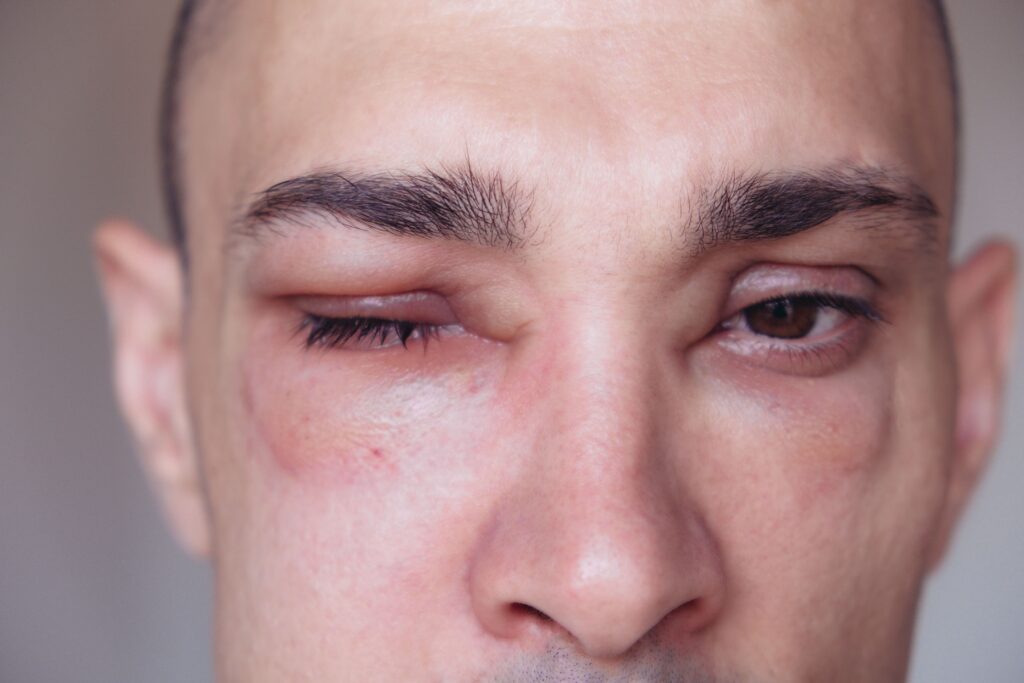
What is Insect Allergy testing? Focuses on stings from honeybees, wasps, hornets, yellow jackets, and fire ants. Reactions range from large local swelling to anaphylaxis (hives, breathing difficulty, dizziness). What to expect during testing?
Pet Allergies

What is Pet Allergy testing? Pet allergy is typically a response to proteins in dander, saliva, and urine—most commonly from cats and dogs. Symptoms include sneezing, itchy eyes, congestion, wheeze, and skin flares. What to expect during testing?
Medication Allergies

What is Medication Allergy testing? Reactions to medications—commonly penicillins, sulfa drugs, NSAIDs, and certain anesthesia agents—may be allergic or non‑allergic. Many penicillin labels are inaccurate and can be removed after testing. What to expect during testing?
Food Allergies
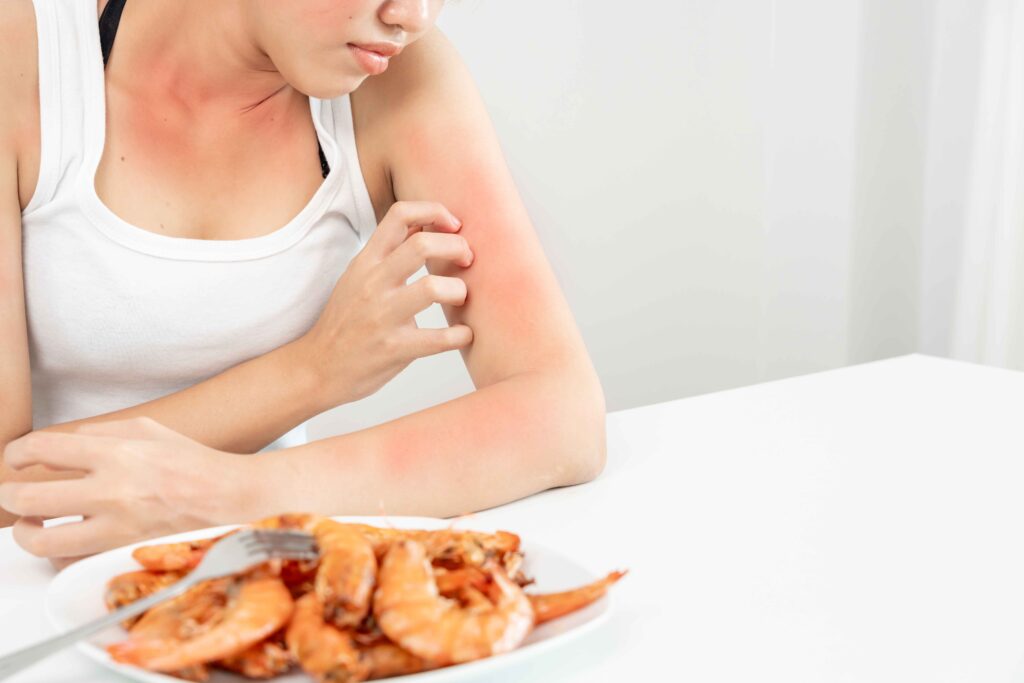
What is Food Allergy testing? Food allergy is an immune (IgE‑mediated) reaction to foods such as milk, egg, peanut, tree nuts, soy, wheat, fish, and shellfish. Symptoms can include hives, swelling, vomiting, wheeze, throat tightness, or anaphylaxis. What to expect during testing?
Environmental Allergies (Indoor)
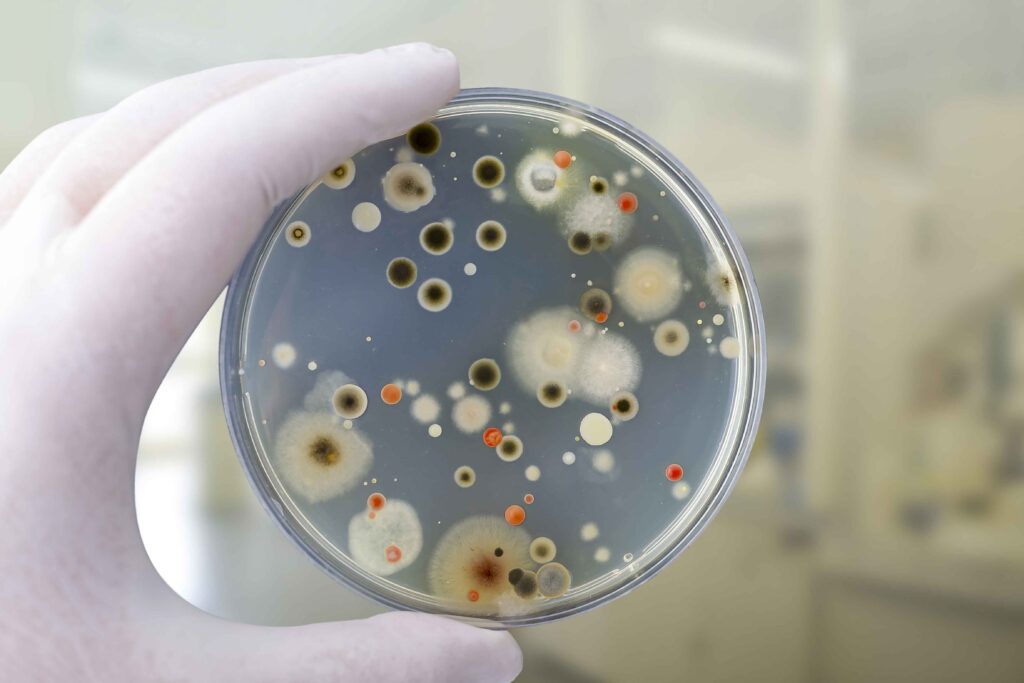
What are Environmental Allergy tests? These evaluate sensitivity to dust mites, mold spores, and cockroach allergens (pet dander is covered separately). Symptoms often persist year‑round and may worsen at night or in damp spaces. What to expect during testing?
Seasonal Allergies (Hay Fever)
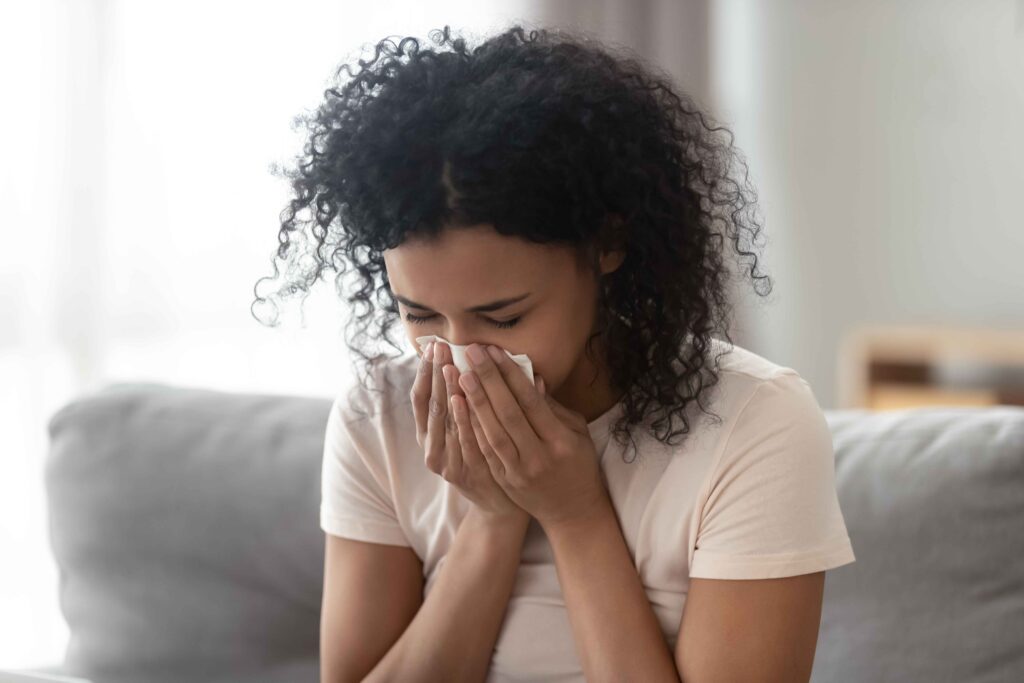
What is Seasonal Allergy testing? Seasonal allergies occur when your immune system reacts to airborne pollens released by trees (spring), grasses (late spring/summer), and weeds like ragweed (late summer/fall). Typical symptoms include sneezing, nasal congestion, runny/itchy nose, itchy/watery eyes, sore throat, cough, and fatigue. What to expect during testing?