
Vitrectomy
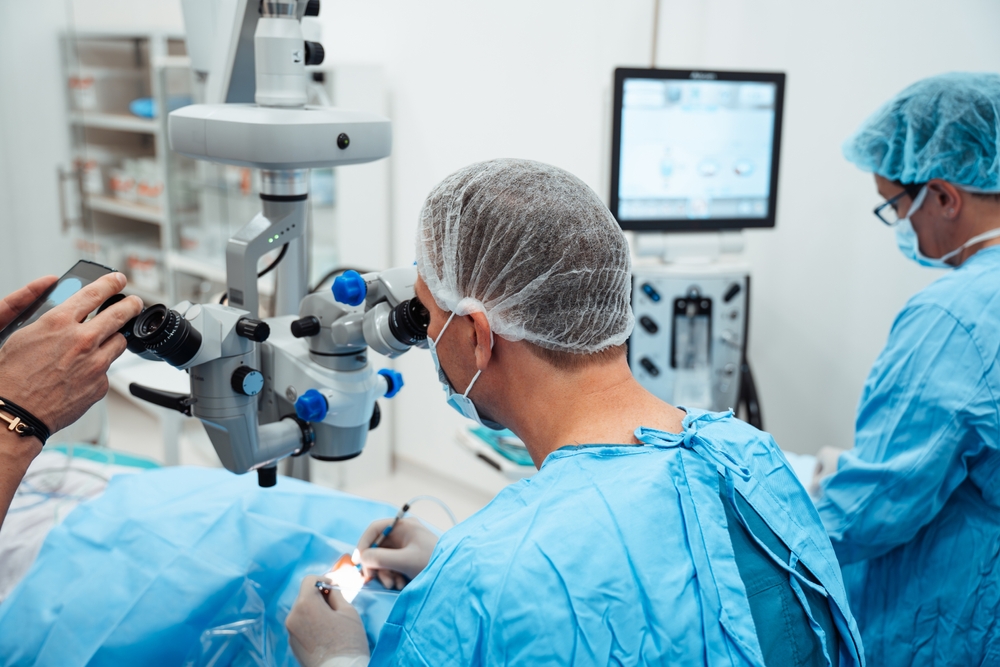
What is Vitrectomy? Pars plana vitrectomy uses microincisions (23–27 gauge) to remove the vitreous gel, allowing treatment of problems such as retinal detachment, macular hole, epiretinal membrane, vitreous hemorrhage, and severe floaters. The eye is filled with balanced salt solution, gas, or silicone oil at the end of the case. What to expect after Vitrectomy?
Strabismus Surgery

What is Strabismus Surgery? Strabismus surgery adjusts the balance of extraocular muscles by recession (weakening), resection (strengthening), or plication. In adults, adjustable sutures may finetune alignment shortly after surgery. The procedure is performed under general anesthesia. What to expect after Strabismus Surgery?
Retinal Detachment Surgery
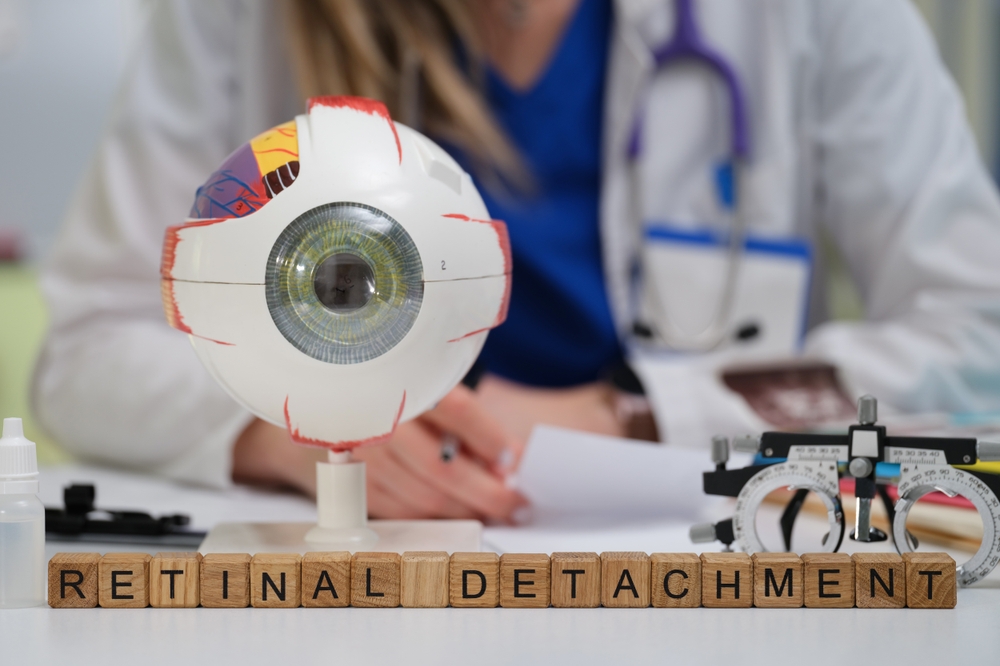
What is Retinal Detachment Surgery? Surgical options depend on detachment type and location: What to expect after Surgery?
Pterygium Surgery (Eye)
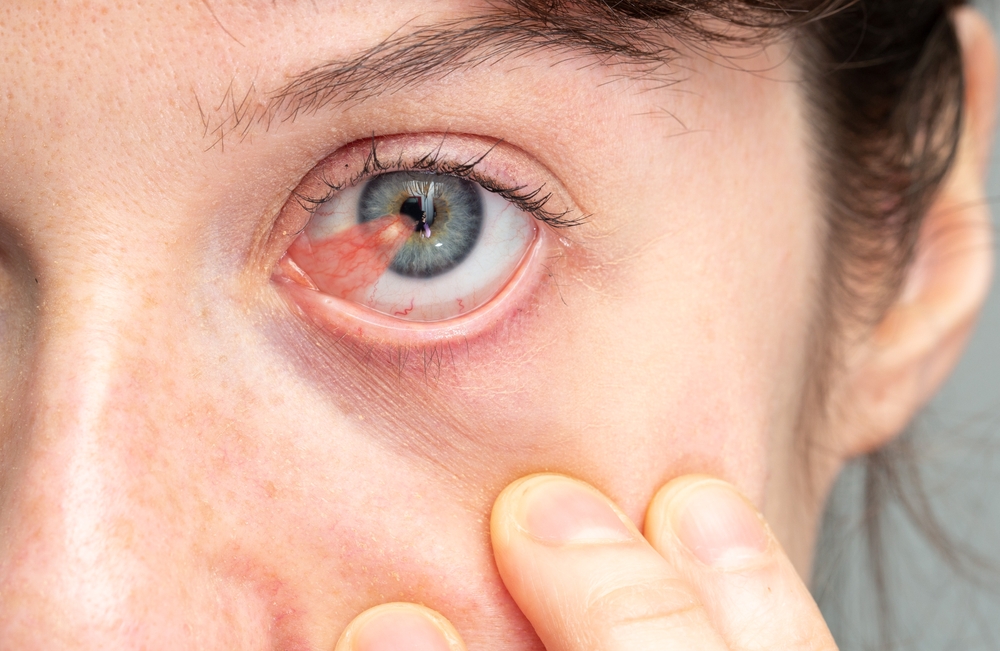
What is Pterygium Surgery? A pterygium is a wedgeshaped growth of conjunctival tissue extending onto the cornea. Surgery excises the tissue and covers the area with a conjunctival autograft (your own tissue) secured with sutures or tissue adhesive. MitomycinC or amniotic membrane may be used to reduce recurrence. What to expect after Pterygium Surgery?
Probe Lacrimal Canal
What is Lacrimal Duct Probing? This procedure uses a thin probe to gently open a blocked tear duct (nasolacrimal duct) and restore drainage. It may include irrigation, dilation, or placement of a temporary silicone stent to keep the duct open. Performed with topical anesthesia in adults; brief general anesthesia is common in infants. What to […]
Photorefractive Keratectomy (PRK)
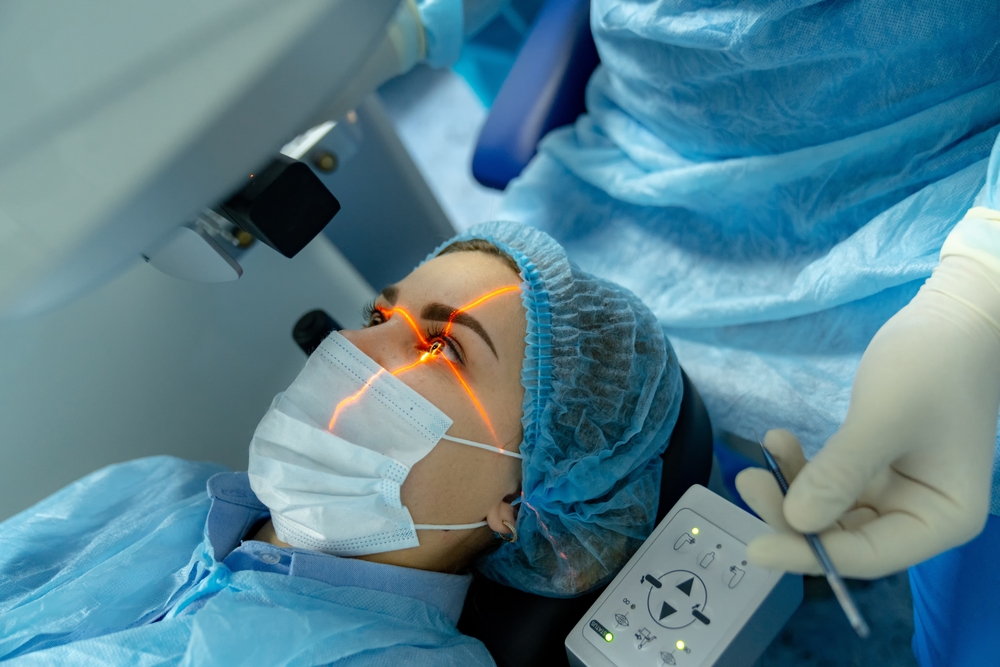
What is PRK? PRK uses an excimer laser to reshape the cornea after gently removing the surface epithelium (no flap). A bandage contact lens protects the eye while the epithelium regrows over several days. PRK is preferred for thin corneas or those at higher risk for flap issues. What to expect after PRK?
LASIK

What is LASIK? LASIK reshapes the cornea to correct myopia, hyperopia, and astigmatism. A thin corneal flap is created with a femtosecond laser, lifted, and the underlying stroma is precisely ablated with an excimer laser. The flap is repositioned without sutures. Preoperative mapping and tearfilm assessment ensure candidacy. What to expect after LASIK?
Glaucoma Surgery

What is Glaucoma Surgery? When drops and lasers aren’t enough, surgical options lower intraocular pressure (IOP): What to expect after Glaucoma Surgery?
Corneal Transplant (Keratoplasty)
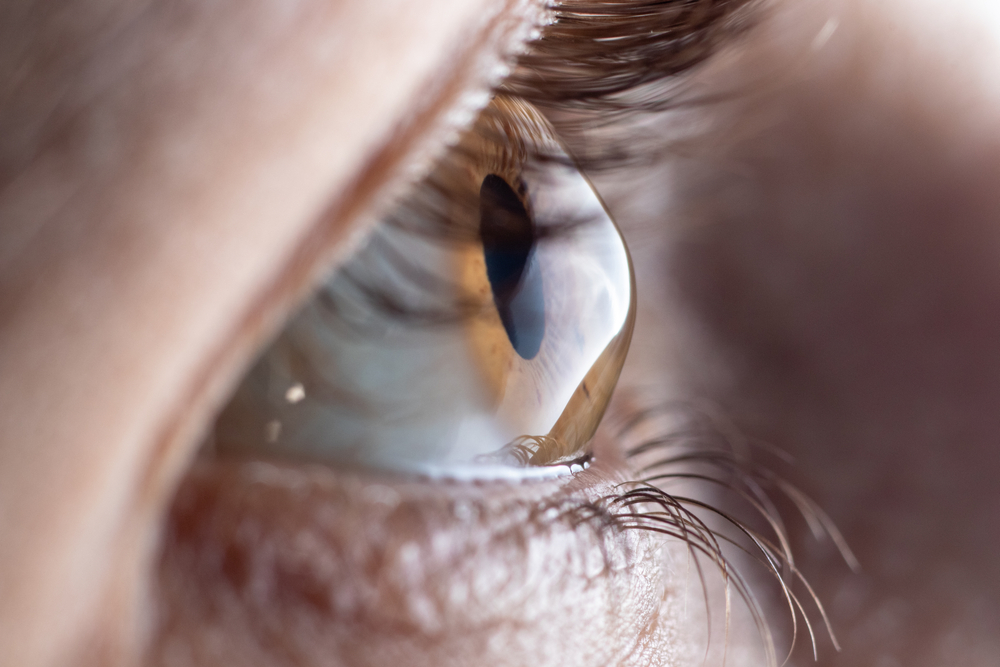
What is Corneal Transplant? Keratoplasty replaces damaged cornea with donor tissue. Types include: What to expect after Corneal Transplant?
Cataract Surgery
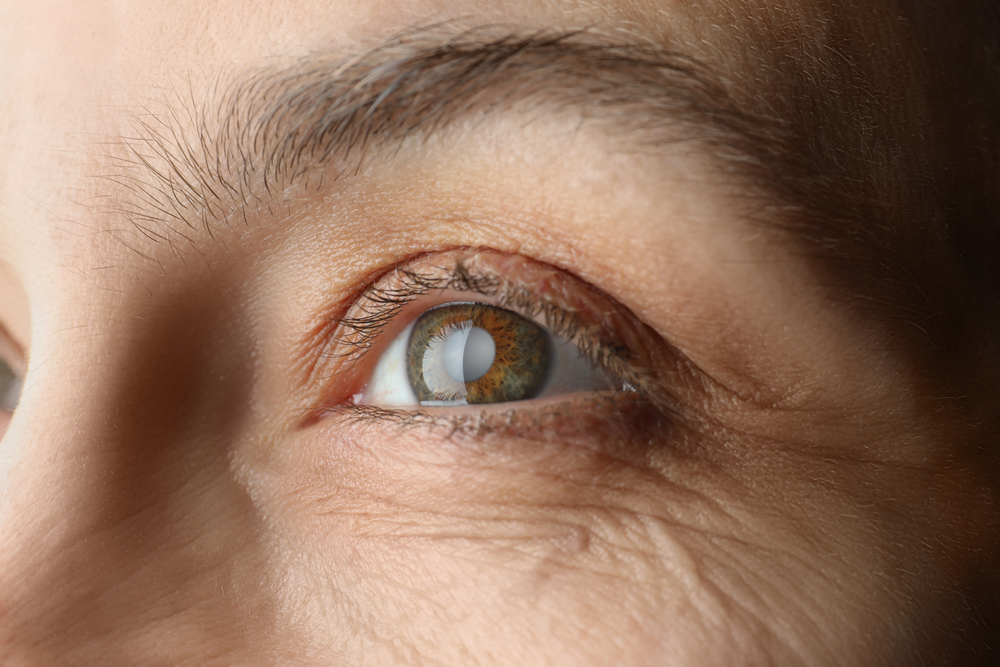
What is Cataract Surgery? Cataract surgery uses phacoemulsification—an ultrasonic probe that breaks the cloudy lens into pieces that are gently aspirated. A foldable intraocular lens is implanted through a tiny incision. Options include monofocal, toric (astigmatismcorrecting), and multifocal/EDOF lenses. Most procedures are outpatient with topical anesthesia and light sedation. What to expect after Cataract Surgery?