Gynecology

Hysteroscopy

A procedure using a thin camera to view and treat the inside of the uterus.

Hysteroscopy

What is a Hysteroscopy?

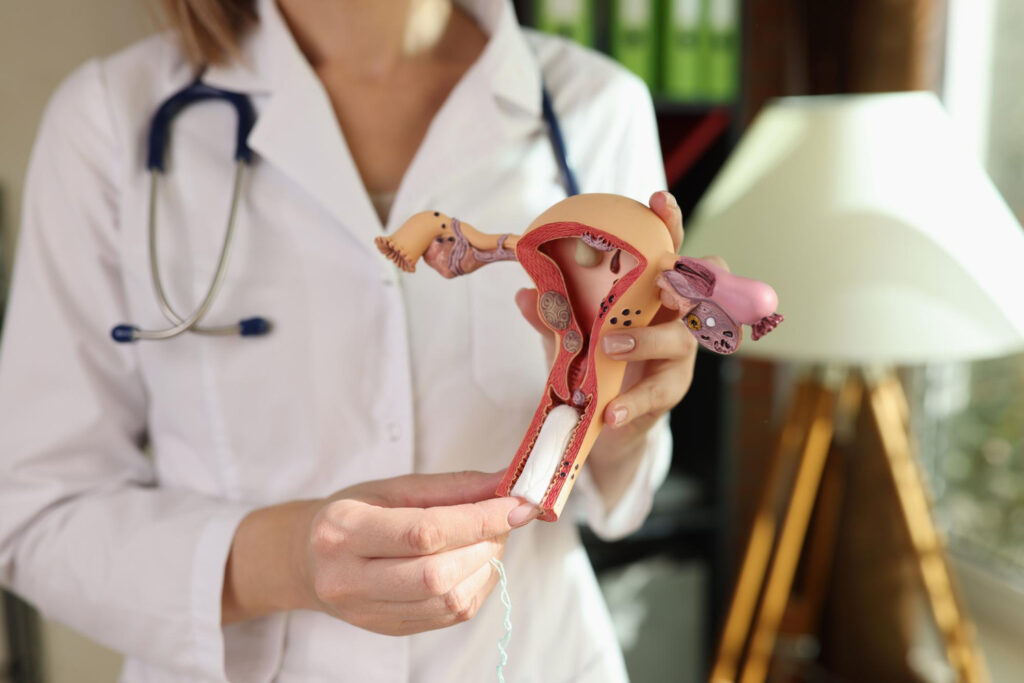
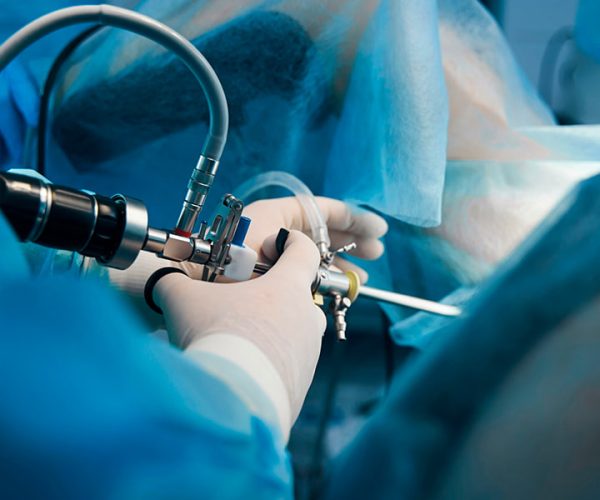
Hysteroscopy inserts a hysteroscope (thin, lighted camera) through the cervix to visualize the uterine cavity. It can be diagnostic or operative, removing polyps, fibroids, or adhesions under direct vision.

Local or general anesthesia is used based on the complexity.

What to expect after a Hysteroscopy?

  • Mild cramping for 24 hours
  • Light spotting or discharge for 1 week
  • Avoid intercourse and tampons for 48 hours
  • Resume normal activities within a day or two
  • Pain relief with NSAIDs as needed

Why is it performed?

  • To investigate abnormal uterine bleeding
  • To remove intrauterine polyps or fibroids
  • To treat adhesions (Asherman syndrome)
  • To guide targeted endometrial biopsy

Risks and Considerations

  • Uterine perforation (rare)
  • Infection
  • Fluid overload during operative hysteroscopy
  • Postoperative bleeding

Early detection is important for managing the condition and preventing further complications.

Schedule a consultation today.

FAQs

1. Duration of exam?
5–10 minutes diagnostic; up to 30 minutes operative.
Local, sedation, or general as needed.
No external scars.
Yes—all are outpatient.
Often yes.

Doral Health & Wellness Women's Health Department

Doral Health & Wellness Gynecology provides comprehensive gynecological care for women of all ages. Our expert gynecologists offer a range of services, including routine check-ups, menopause management, and treatment for gynecological conditions. We are committed to providing compassionate and personalized care to support your unique health journey.

Ginecological Concerns

Gynecology

More Gynecology Procedures

Health Corner

Recent Articles

Perform Your Search Within the Site

Just write what you want and you will find it.

Generic selectors
Exact matches only
Search in title
Search in content
Post Type Selectors