
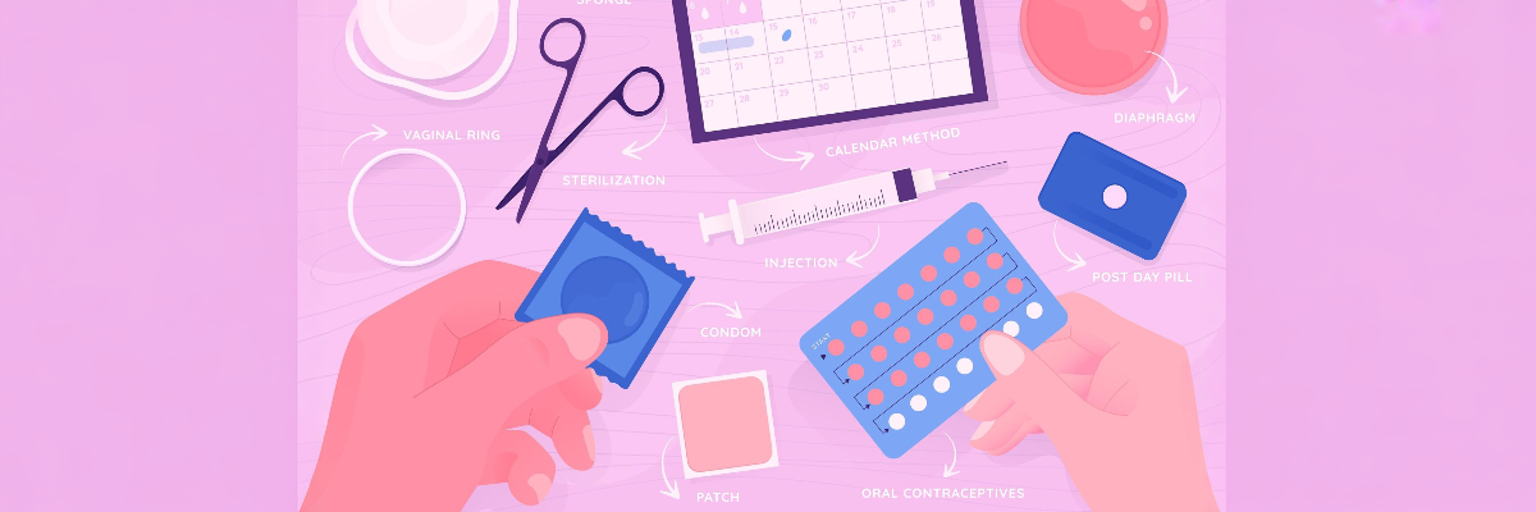
Choosing a contraceptive method is a personal journey. With so many choices available today, it can feel overwhelming to decide what fits your body and lifestyle best. Three of the most popular hormonal methods are birth control pills, the contraceptive patch, and vaginal ring options. While they all work similarly by releasing hormones to prevent ovulation, their application methods differ significantly. Some require daily attention, while others offer a “set it and forget it” convenience for weeks at a time. Understanding the nuances of each can empower you to take charge of your reproductive health and select the method that aligns perfectly with your daily routine.
Navigating these choices is easier with professional guidance. At Doral Health & Wellness, our dedicated team offers comprehensive women’s care in NY, helping you weigh the benefits and risks of each method. We provide personalized consultations to ensure you feel confident and secure in your contraceptive decisions.
Understanding Hormonal Birth Control
Before diving into the specifics of pills, patches, and rings, it is helpful to understand how they work. These methods generally use a combination of estrogen and progestin (synthetic progesterone). These hormones work together to:
- Stop the ovaries from releasing an egg (ovulation).
- Thicken cervical mucus to block sperm from reaching an egg.
- Thin the lining of the uterus to prevent a fertilized egg from implanting.
While effective, the delivery system matters. Let’s break down the three major categories.
The Daily Routine: Birth Control Pills
Birth control pills, often just called “the pill,” are the most well-known form of hormonal contraception. They are small tablets that you swallow every day.
How They Work
There are two main types of pills:
- Combination Pills – These contain both estrogen and progestin. You take them daily, usually for three weeks, followed by a week of placebo (sugar) pills which triggers a withdrawal bleed.
- Progestin-Only Pills (Mini-Pills) – These contain only progestin. They are often prescribed to people who cannot take estrogen, such as those who are breastfeeding or have a history of blood clots.
Pros and Cons
- Pros – They are highly effective if taken perfectly. They can also help regulate periods, reduce cramps, and improve acne.
- Cons – You must remember to take them at the same time every single day. Missing a dose can reduce effectiveness. Some people experience nausea, breast tenderness, or mood changes.
If you struggle with a daily schedule, you might want to ask a Brooklyn gynecologist about lower-maintenance alternatives.
The Weekly Option: The Contraceptive Patch
The contraceptive patch is a small, beige, sticky square that looks like a bandage. You wear it on your skin, typically on your belly, upper arm, back, or buttocks.
How It Works
The patch releases hormones through your skin and into your bloodstream. You wear one patch for one week, then replace it with a new one on the same day the following week. You do this for three weeks in a row. On the fourth week, you go patch-free to allow for a withdrawal bleed.
Pros and Cons
- Pros – You only have to think about it once a week, making it easier than a daily pill. It is very effective and easy to use.
- Cons – It is visible on the skin, which some people may not like. It can sometimes irritate the skin where it is applied. It may also be less effective for people who weigh more than 198 pounds.
The Monthly Method: Vaginal Ring Options
Vaginal ring options, such as NuvaRing or Annovera, offer a longer-term solution without the need for a procedure like an IUD insertion. The ring is a small, flexible plastic loop that you insert into your vagina yourself.
How It Works
Like the patch and pill, the ring releases hormones into the body. You leave the ring inside your vagina for three weeks (21 days). During the fourth week, you remove it to have your period. After seven days, you insert a new ring (or re-insert the reusable type) to start the cycle again.
Pros and Cons
- Pros – It is a monthly method, meaning you have to remember it far less often. It is discreet and cannot be seen. Most people and their partners cannot feel it during sex.
- Cons – You must be comfortable touching your genitals to insert and remove it. It can occasionally slip out, though this is rare.
How to Choose the Best Method
Deciding between pills, patches, and rings often comes down to your lifestyle and medical history. Here are a few questions to ask yourself:
- Can I remember a daily pill? – If you have a busy schedule or often forget medication, the patch or ring might be safer.
- Am I comfortable with my body? – Using a ring requires you to be comfortable inserting a device into your vagina.
- Do I have specific health concerns? – Smokers over 35 or people with high blood pressure may need to avoid estrogen-containing methods.
To get the best advice, search for a “gyn doctor near me” to discuss your medical history. A provider can screen you for contraindications and help you select the safest option.
Side Effects and Safety
All hormonal birth control methods carry a small risk of side effects. Common ones include:
- Spotting between periods (breakthrough bleeding)
- Nausea
- Headaches
- Decreased libido
These side effects often go away after two or three months as your body adjusts. However, serious risks like blood clots are possible, though rare. It is vital to be honest with your doctor about your health history, including if you smoke or have migraines with aura.
Whether you choose birth control pills, the contraceptive patch, or explore vaginal ring options, the most important factor is consistency. The “best” method is the one you will use correctly and consistently. By understanding the differences between daily, weekly, and monthly applications, you can find a solution that integrates seamlessly into your life, giving you freedom and peace of mind.
Your reproductive health journey doesn’t have to be a solo mission. The expert team at Doral Health & Wellness is ready to guide you through every option. We are committed to providing accessible, high-quality care to ensuring you have the protection that fits your needs.
To schedule a consultation and discuss your birth control options, contact Doral Health & Wellness today at 1-718-365-2555 or visit us at 1797 Pitkin Avenue, Brooklyn, New York 11212. For general information about Doral Health & Wellness services, you can contact or email info@doralhw.org.