
Bariatric

Gastric Bypass Surgery (Roux-en-Y Gastric Bypass)

A surgical weight loss option that alters the stomach and small intestine to support long-term health

Gastric Bypass Surgery (Roux-en-Y Gastric Bypass)

What is Gastric Bypass Surgery?

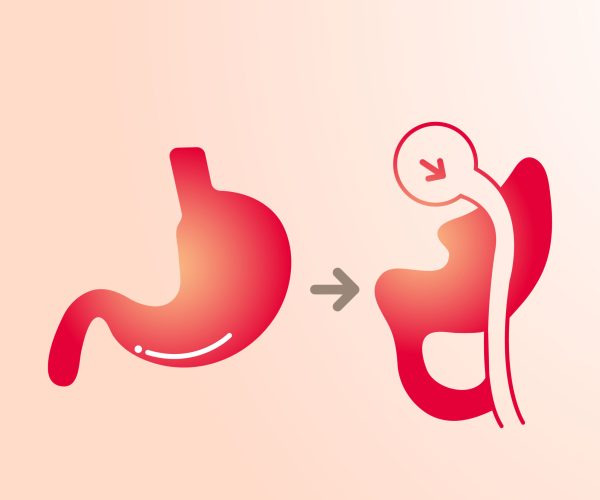
Gastric bypass surgery, commonly called Roux-en-Y gastric bypass, is a bariatric procedure designed to help individuals with severe obesity achieve significant and sustained weight loss. During the surgery, the surgeon creates a small pouch from the stomach and connects it directly to the small intestine, bypassing most of the stomach and part of the small bowel. This alteration limits food intake, reduces calorie absorption, and produces important hormonal changes that can reduce appetite and improve metabolic health. Gastric bypass is one of the most studied and effective bariatric surgeries, often recommended for patients with obesity-related conditions such as type 2 diabetes, hypertension, or severe sleep apnea.

This procedure helps to:

  • Support major and sustained weight loss in patients struggling with severe obesity.
  • Improve or resolve obesity-related conditions such as type 2 diabetes, hypertension, and high cholesterol.
  • Reduce the risk of heart disease, stroke, and certain cancers linked to obesity.
  • Enhance mobility, physical activity, and quality of life.
  • Support long-term lifestyle change by reinforcing portion control and healthy eating habits.

What to expect after Gastric Bypass Surgery?

Recovery after gastric bypass involves both physical healing and long-term lifestyle adjustments. Patients typically remain in the hospital for 2 to 3 days. Initial recovery may include abdominal discomfort, fatigue, and gradual reintroduction to liquids and soft foods. Over time, the stomach pouch expands slightly but remains much smaller than the original stomach. Lifelong dietary adjustments, vitamin supplementation, and follow-up with the bariatric care team are necessary to maintain health and prevent complications.

  • Initial recovery period of 2–3 weeks before resuming normal activities.
  • A staged diet beginning with clear liquids, then soft foods, then solid foods.
  • Weight loss that continues for 12–18 months after surgery.
  • Improved energy levels and reduced appetite over time.
  • Regular monitoring to ensure proper nutrition and prevent deficiencies.

Why is it performed?

  • To help patients achieve long-term weight reduction when other interventions have failed.
  • To manage obesity-related medical conditions and reduce dependence on medications.
  • To improve overall survival and reduce long-term health risks associated with obesity.
  • To support improved mental health and body image.
  • To empower patients with a new beginning toward a healthier, more active lifestyle

Risks and Considerations

  • Surgical risks such as infection, bleeding, or anesthesia complications.
  • Long-term risks including nutritional deficiencies, dumping syndrome, or bowel obstruction.
  • Risk of weight regain if lifestyle changes are not maintained.
  • Potential need for additional procedures to correct complications.
  • Emotional and psychological adjustments as patients adapt to new eating habits.

Early detection is important for managing the condition and preventing further complications.

Schedule a consultation today.

FAQs

How much weight can I expect to lose?
Most patients lose 60–80% of their excess body weight within the first 18 months. Results vary depending on adherence to diet, exercise, and follow-up care.
Yes, since nutrient absorption is reduced, lifelong supplementation with vitamins and minerals such as iron, calcium, vitamin B12, and vitamin D is required to prevent deficiencies.
Technically, yes, but reversals are rare and usually only performed when serious complications occur. Gastric bypass is considered a permanent procedure.
Many patients resume light work after 2–3 weeks, but full recovery and adjustment to new eating habits may take several months.
Ignoring dietary guidelines can lead to complications such as nausea, vomiting, dumping syndrome, or poor long-term weight loss results. Success depends heavily on commitment to lifestyle changes.

Doral Health & Wellness Weight Management Department

Achieve lasting weight loss and better health with Doral Health & Wellness Bariatrics. We offer minimally invasive solutions to treat obesity, improve diabetes, sleep apnea, high cholesterol, high blood pressure and more.

Smiling white woman outdoors.

Bariatric

More Bariatric Procedures

Health Corner

Recent Articles

Perform Your Search Within the Site

Just write what you want and you will find it.

Generic selectors
Exact matches only
Search in title
Search in content
Post Type Selectors