What is Sleeve Gastrectomy?
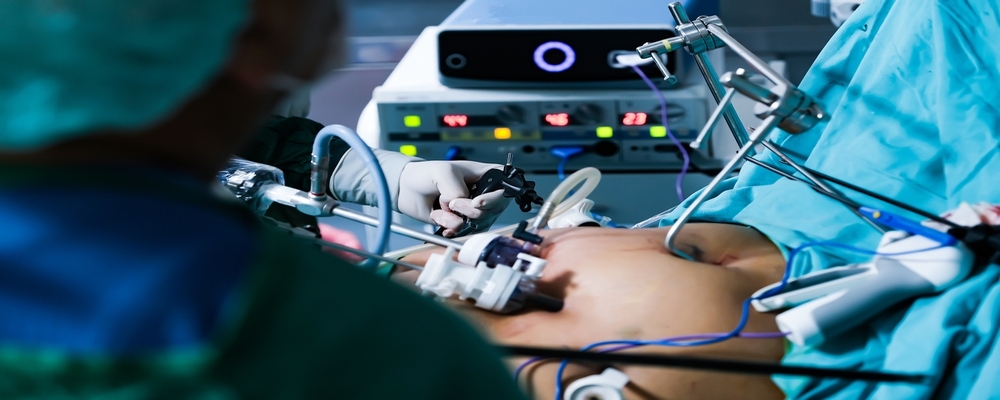
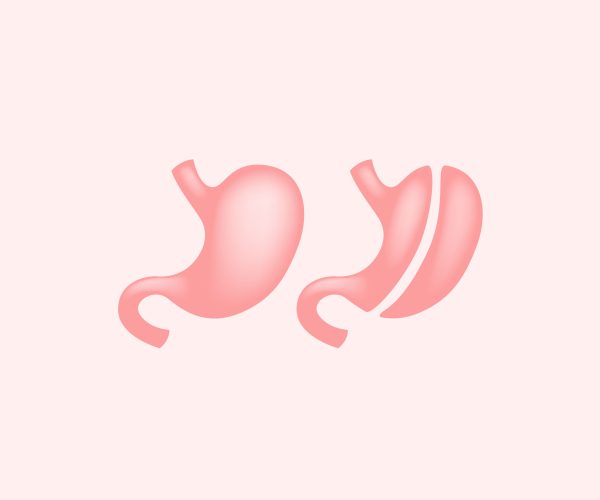
Sleeve gastrectomy, also known as gastric sleeve surgery, is a bariatric procedure in which about 75–80% of the stomach is removed, leaving behind a narrow, sleeve-shaped pouch. This dramatically reduces the stomach’s capacity, allowing patients to feel full after smaller meals, while also affecting hormones that regulate hunger and blood sugar. Unlike gastric bypass, the intestines are not rerouted, making the procedure less complex while still offering powerful weight loss benefits. Sleeve gastrectomy is currently one of the most popular bariatric surgeries worldwide due to its balance of safety, effectiveness, and durability.
This procedure helps to:
- Achieve significant long-term weight loss by restricting food intake.
- Improve or resolve obesity-related conditions, including diabetes and sleep apnea.
- Reduce the risk of cardiovascular disease and stroke.
- Improve quality of life by restoring mobility, stamina, and confidence.
- Support healthier eating habits through built-in portion control.
What to expect after Sleeve Gastrectomy?
Recovery involves a short hospital stay, typically 1 to 2 days. Patients follow a structured diet that progresses from liquids to pureed foods and eventually to solids. Most patients experience rapid weight loss within the first year, with continued progress for up to 18 months. Unlike gastric banding, sleeve gastrectomy is permanent and requires lifelong attention to nutrition.
- Early satiety after very small meals.
- Steady weight loss of 50–70% of excess body weight within 12–18 months.
- Improved energy and reduction of obesity-related conditions.
- The need for vitamin supplementation to prevent deficiencies.
- Long-term success dependent on adherence to dietary guidelines