Maintaining optimal kidney health is a cornerstone of overall well-being, yet many people are unfamiliar with common threats like kidney stones. These hard deposits of minerals and salts can form inside your kidneys, a critical urologic organ, and cause significant pain as they pass through your urinary tract. Understanding the causes and symptoms of kidney stones is the first step toward effective prevention and management, safeguarding your long-term urinary health. While this condition is distinct from prostate issues or bladder disease, it represents a significant urologic concern that requires informed care.
At Doral Health & Wellness, we are proud of our commitment to providing integrated, interdisciplinary health services to our community. Our expert urologists are dedicated to diagnosing and treating a wide range of conditions with personalized, state-of-the-art care. If you are experiencing symptoms or require guidance on urinary health, we invite you to connect with our innovative medical facility for trusted support.
The Formation of Kidney Stones and Its Impact on Kidney Health
Kidney stones, or nephrolithiasis, develop when your urine contains more crystal-forming substances—such as calcium, oxalate, and uric acid—than the fluid in your urine can dilute. At the same time, your urine may lack substances that prevent crystals from sticking together, creating an ideal environment for stone formation. A proper diagnosis from a urology professional is essential to determine the type of stone and the appropriate course of action.
Identifying the Causes and Risk Factors
While some individuals may have a genetic predisposition to forming kidney stones, several lifestyle and medical factors can increase your risk. A clear understanding of these factors is crucial for prevention.
Primary Causes Include:
- Dehydration – Not drinking enough water each day is the most common cause of kidney stones. When you are not adequately hydrated, your urine becomes more concentrated, increasing the likelihood that minerals will crystallize and form stones.
- Diet – Diets high in protein, sodium, and sugar can increase the risk of certain types of kidney stones. Specifically, high levels of sodium can increase the amount of calcium your kidneys must filter, raising your risk of calcium stones.
- Medical Conditions – Certain medical conditions are associated with an increased risk, including urinary tract infections, chronic kidney disease, and metabolic disorders like hyperparathyroidism.
- Obesity – A high body mass index (BMI), large waist size, and weight gain have all been linked to an increased risk of kidney stone formation.
Recognizing the Symptoms
A kidney stone may not cause symptoms until it moves around within your kidney or passes into your ureter—the tube connecting the kidney and bladder. When this occurs, the signs can be intensely painful and unmistakable.
Key Symptoms to Watch For:
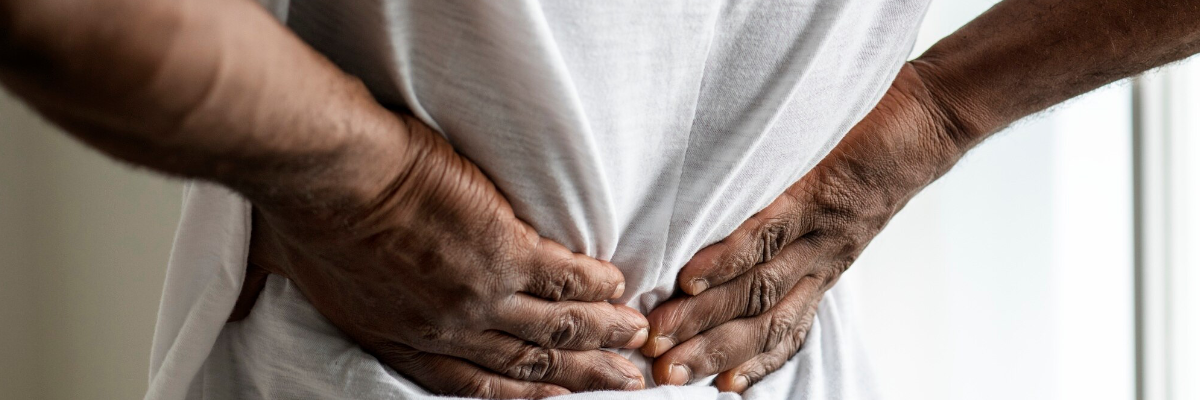
- Severe, sharp pain in the side and back, below the ribs
- Pain that radiates to the lower abdomen and groin
- Pain that comes in waves and fluctuates in intensity
- Pain or a burning sensation during urination
- Pink, red, or brown urine (hematuria)
- Cloudy or foul-smelling urine
- Nausea and vomiting
- A persistent need to urinate, urinating more often than usual, or urinating in small amounts
- Fever and chills if an infection is present
Experiencing these symptoms warrants immediate medical attention. A search for the “best urologist near me” can connect you with a specialist who can provide a prompt and accurate diagnosis.
Professional Treatment Options for Kidney Stones
The treatment for kidney stones varies depending on the type, size, and location of the stone, as well as the severity of the symptoms. The best urology doctor will work with you to create a personalized treatment plan.
Conservative Management for Small Stones
Many small kidney stones can be passed naturally with conservative treatment.
- Hydration – Drinking a large amount of water—as much as 2 to 3 quarts a day—helps dilute your urine and may flush the stone out.
- Pain Relief – Over-the-counter pain relievers, such as ibuprofen or naproxen sodium, can help manage the discomfort of passing a small stone.
- Medical Therapy – Your doctor may prescribe an alpha-blocker, a medication that relaxes the muscles in your ureter. This can help you pass the kidney stone more quickly and with less pain.
Advanced Procedures for Large or Complicated Stones
When stones are too large to pass on their own, cause severe pain, block the flow of urine, or lead to infection, more advanced procedures are necessary.
- Extracorporeal Shock Wave Lithotripsy (ESWL) – This non-invasive procedure uses sound waves to create strong vibrations (shock waves) that break the large stones into tiny pieces, which can then be passed in your urine.
- Ureteroscopy – For this procedure, a thin, lighted tube (ureteroscope) equipped with a camera is passed through your urethra and bladder to your ureter. Once the stone is located, special tools can be used to snare the stone or break it into pieces that will pass naturally. This is often performed by the top specialists, and those in New York can find experts by searching for a “Urology doctor NY.”
- Percutaneous Nephrolithotomy – This surgical procedure is used for very large stones. It involves surgically removing the stone using small telescopes and instruments inserted through a small incision in your back. A search for a “urologist near me” can help you find a surgeon experienced in this technique.
Your Partner in Urologic Health and Wellness
Understanding the causes, symptoms, and treatments for kidney stones is essential for protecting your kidney health and overall well-being. While many stones can be managed with simple measures like increased hydration, others require advanced medical intervention. Prevention through dietary adjustments and proper hydration remains the most effective strategy. However, if you experience any symptoms, seeking prompt evaluation from a qualified urology specialist is critical.
For comprehensive and compassionate urological care in the East New York community, trust the specialists at Doral Health & Wellness. Our dedicated team provides cutting-edge diagnostics and treatments for a full spectrum of urinary health issues, from kidney stones to prostate issues and bladder disease. To schedule a consultation with the best urology doctor and take control of your health, contact Doral Health & Wellness today at 1-718-365-2555 or visit us at 1797 Pitkin Avenue, Brooklyn, New York 11212. For general information about Doral Health & Wellness services, you can contact or email info@doralhw.org.