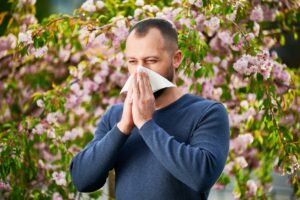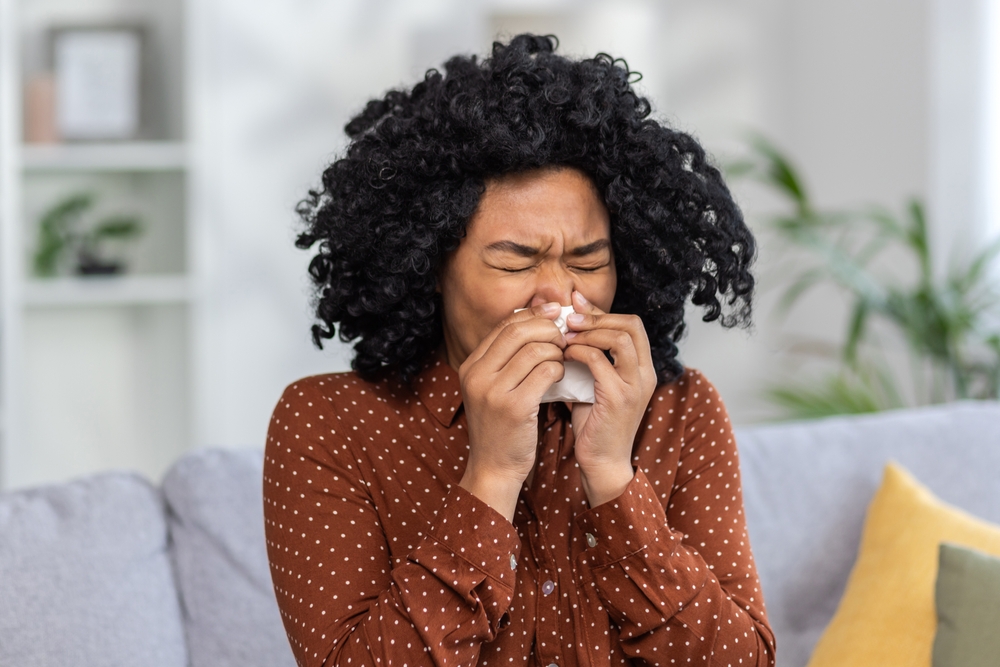
Itchy eyes, a runny nose, and constant sneezing—for many, these are the unwelcome signs that allergy season has arrived. But if it feels like this season of sniffles is starting earlier and lasting longer, you are correct. Due to shifting climate patterns, we are experiencing a new timeline for allergy season. This extended period of high pollen counts means more discomfort for allergy sufferers. Understanding this change is the first step, but knowing effective tips to stay safe in allergy season is crucial for managing your symptoms and maintaining your quality of life. At Doral Health & Wellness, we have all the answers you need.
Why Allergy Season Is Changing
The traditional idea of spring allergies is becoming outdated. Environmental changes are directly impacting how and when plants release pollen, leading to a longer and more intense allergy season.
The Impact of Warmer Temperatures
Rising global temperatures are a primary driver behind the shifting allergy calendar. Warmer weather signals to plants that it’s time to start growing and releasing pollen. With winters becoming milder and springs arriving sooner, trees like birch, oak, and maple begin producing pollen weeks earlier than they did in previous decades. This early start effectively lengthens the entire season.
Increased Pollen Production
Beyond just starting earlier, the conditions fostering this change also lead to higher pollen concentrations. Elevated carbon dioxide levels in the atmosphere can act like a fertilizer for many plants, boosting their growth and causing them to produce more pollen. This “pollen supercharge” means not only a longer season but also a more potent one, intensifying symptoms for many people.
Tips to Stay Safe in the New Allergy Season
Navigating a longer and more intense allergy season requires a proactive approach. While you can’t stop the pollen, you can take steps to minimize your exposure and manage your reaction to it.
Monitor Pollen Counts
Knowledge is your first line of defense. Check local weather forecasts or use reliable allergy tracking apps to stay informed about daily pollen levels. On days when counts are particularly high, it’s wise to limit your time outdoors, especially during peak hours in the morning.
Create a Low-Pollen Home Environment
Turn your home into a safe haven from allergens.
- Keep windows and doors closed to prevent pollen from drifting inside.
- Use high-efficiency particulate air (HEPA) filters in your air conditioning system and vacuum cleaner to trap airborne allergens.
- After spending time outside, change your clothes and shower to rinse pollen from your skin and hair before you relax.
Plan Your Outdoor Activities
You don’t have to stay inside for months on end. Plan your outdoor excursions for later in the afternoon or after a good rain, as pollen levels are typically lower at these times. Wearing a hat and sunglasses can also help keep pollen out of your eyes and hair.
When to Seek Professional Help
Over-the-counter antihistamines and nasal sprays can provide relief for mild symptoms. However, if your allergies are severe, persistent, or significantly impacting your daily life despite these measures, it may be time to consult a specialist.
An allergist can perform tests to identify your specific triggers and develop a personalized treatment plan. This might include prescription medications or allergy shots (immunotherapy), which can help desensitize your body to allergens over time. If you’re looking for an allergist, finding a reputable practice is key. For those in New York, the Doral Health & Wellness Allergist Department in Brooklyn can offer comprehensive testing and advanced treatment options. Don’t hesitate to seek expert advice from our allergists; our specialized immunology clinic in Brooklyn can provide the support you need to conquer your allergy symptoms for good.
By understanding the new timeline for allergy season and implementing these safety tips, you can better manage your symptoms and enjoy the warmer months with greater comfort. For a comprehensive evaluation of your symptoms and to receive expert medical advice, contact Doral Health & Wellness today at 1-718-365-2555 or visit us at 1797 Pitkin Avenue, Brooklyn, New York 11212. We are committed to providing the supportive and expert care you deserve. For general information about Doral Health & Wellness services, you can contact or email info@doralhw.org.