
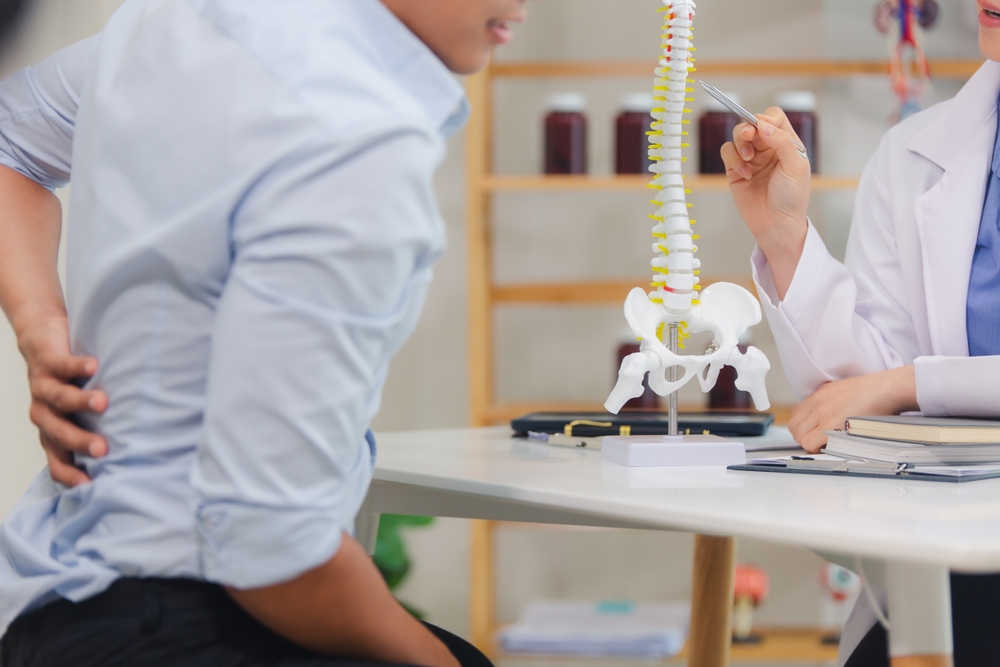
If you experience pain in your lower back or hip that radiates to the thighs or the leg, then you may have sciatica. It happens when the sciatic nerve gets pressed by something like a herniated disk or bone spurs. But many other conditions can also cause this type of pain. However, timely medical intervention can help you manage your symptoms. Learn about sciatica causes, symptoms, and treatment options in this article. Visit the best Pain Management Clinic in Brooklyn at Doral Health & Wellness or log on to www.doralhw.org. to schedule an appointment with us.
Causes & Risk Factors
Sciatica may occur when the sciatic nerve (the longest nerve in the body, originating from the lower back of the foot) in the lower back gets pinched. Usually, it occurs due to a herniated disk or bone spurs. A herniated disk can push the disk of the spinal cord out of place, which puts pressure on the sciatic nerve. Bone spurs cause an overgrowth on the bone, which causes pressure on the spinal cord. Besides these conditions, several other conditions also cause sciatica, such as:
- Degenerative disk disease
- Spinal stenosis
- Foraminal stenosis
- Spondylolisthesis
- Injuries
- Osteoarthritis
- Pregnancy
- Tumors, cysts, and other growths
- Conus medullaris syndrome
- Cauda equina syndrome
As sciatica can occur due to many reasons, many risk factors can increase the risk of Lumbar Nerve Root Impingement. The most common ones are:
- Having a current or previous injury: Any injury to the spine or lower back increases the risk of developing sciatica.
- Age: Usually, people between 20 to 50 years of age are more likely to develop herniated disks and bone spurs because, as you get older; like with every bone, wear and tear occurs to the spine, which leads to pinched nerves, herniated disks, and other conditions. Age-related conditions like arthritis also play a role.
- Overweight or obesity: Your spine works as a construction crane when you stand upright. The weight you carry in the front of the body can cause the spine to bend forward, which puts a lot of strain on the spine and makes the back muscles work harder, increasing the risk of sciatica.
- Lack of core strength: Core means the muscles of your back and abdomen. When your core is weak, your muscles struggle to handle a heavier load, which puts strain on the back muscles.
- Your job: If your job involves heavy lifting, a lot of bending, or working in unusual postures, it may increase your risk of lower back problems. However, jobs with prolonged sitting, especially without proper back support, may increase the risk of low back problems.
- Not using good posture and form when lifting: When you try to lift heavy despite your fitness level, wrong form can make you prone to sciatica.
- Having diabetes: Diabetes can increase the risk of diabetes-related peripheral neuropathy that damages the nerves, including nerves that cause or lead to sciatica.
- Physical inactivity: Sitting for prolonged periods and not doing anything physical can increase your risk of sciatica.
- Using tobacco: Nicotine can affect circulation and increase the risk of chronic pain, which includes conditions like sciatica.
- Unknown causes: In many cases of sciatica, the exact cause is not known.
Symptoms
One of the most common symptoms of sciatica is pain, whose severity can vary. The pain can feel like shooting, burning, and stabbing in the lower back or buttocks. Other symptoms include:
- Tingling
- Numbness
- Muscle weakness
- Urinary incontinence or fecal incontinence
Diagnosis
To diagnose sciatica, the doctor first conducts a physical exam, where the doctor asks you to walk, perform straight leg raises, and other flexibility movements to determine whether your sciatica nerve is affected. To confirm your condition, the doctor may recommend other tests, such as MRI, CT scan, spine X-rays, nerve conduction velocity studies, electromyography, and myelogram.
Treatment & Rehabilitation
The main goal of treating sciatica is to lower pain and increase mobility. Treatment involves self-care, conservative treatments, surgical options, and rehabilitation.
Self-care
In mild cases of sciatica, based on the underlying causes, self-care can help relieve pain and improve mobility:
- Ice: Use a cold pack to lower pain and swelling during the first few days after sciatica pain starts. Apply an ice pack on the affected part by covering it with a thin towel for 20 minutes at a time, several times a day.
- Heat therapy: You can also use heat therapy alternatively with cold therapy to reduce pain and improve blood flow. You can use heat for 20 minutes at a time.
- Over-the-counter medicines: You can use nonsteroidal anti-inflammatory drugs (NSAIDs) to treat swelling, pain, and inflammation.
- Stretching and activity: You can hire an instructor to learn how to stretch properly to reduce lower back pain. It also helps to strengthen your muscles and improve mobility.
If this self-care treatment approach doesn’t improve your symptoms in a few weeks, you should seek medical help.
Conservative treatments
Your doctor uses medical treatments to improve your severe symptoms, which involve options such as:
- Prescription medications: Your doctor will prescribe stronger medications to relieve sciatic symptoms, like painkillers, muscle relaxants, and other medications like antidepressants and anti-seizure medications to help with chronic or nerve-based pain.
- Physical therapy: This involves different exercises under the supervision of a physical therapist to decrease sciatica by lowering the pressure on the nerve. It mostly includes stretching exercises and low-impact activities like walking, swimming, or water aerobics.
- Spinal injections: If medications and physical therapy fail to relieve pain and other symptoms, injections like corticosteroids are used to provide temporary pain relief. It usually involves anesthesia or steroid drugs.
- Alternative therapies: These treatments are additional options used alongside medical treatment, including chiropractic spine adjustments, yoga, acupuncture, or more. Massage therapy for muscle spasms caused by sciatica is also helpful. Biofeedback techniques help to relieve pain and stress.
Surgical options for sciatica
If conservative treatments fail to improve your condition, then surgery is recommended. Surgical options may include:
- Discectomy: In this surgery, the surgeon removes the fragments or small sections of a herniated disk that are pressing on the nerve.
- Laminectomy: In this surgery, the surgeon removes a section of the lamina (the rear section of each vertebra) that compresses the spinal nerves.
Rehabilitation
Your doctor may teach you exercises to strengthen your back after surgery to improve your mobility while limiting too much bending or twisting, so that you can easily perform routine activities around the house, such as cooking and cleaning.
Sciatica symptoms occur when something presses on the sciatic nerve. Usually, it occurs due to a herniated disk or bone spurs, but it also has many other causes. Make sure you notice your sciatica symptoms early to get medical treatment to prevent further complications and improve your quality of life.
Need help with sciatica pain? Visit our pain management clinic in Brooklyn to get professional medical help. Call us to book your appointment now!!!! If you’re ready to take the next step in managing your pain, we recommend consulting with our healthcare provider to explore the right treatments or therapies for you. Always listen to your body and adjust your daily routine to prioritize your well-being. Visit Doral Health & Wellness Pain Relief Department in Brooklyn, to get professional help and guidance on how to manage your problem. Call us on + 1-718-367-2555 to get a consultation. If you need help learning coping methods, register your information and make direct contact with our doctors at https://yuz88hfiyh7.typeform.com/Doralintake. Log on to www.doralhw.org. Or visit us at 1797 Pitkin Avenue, Brooklyn, NY 11212.