
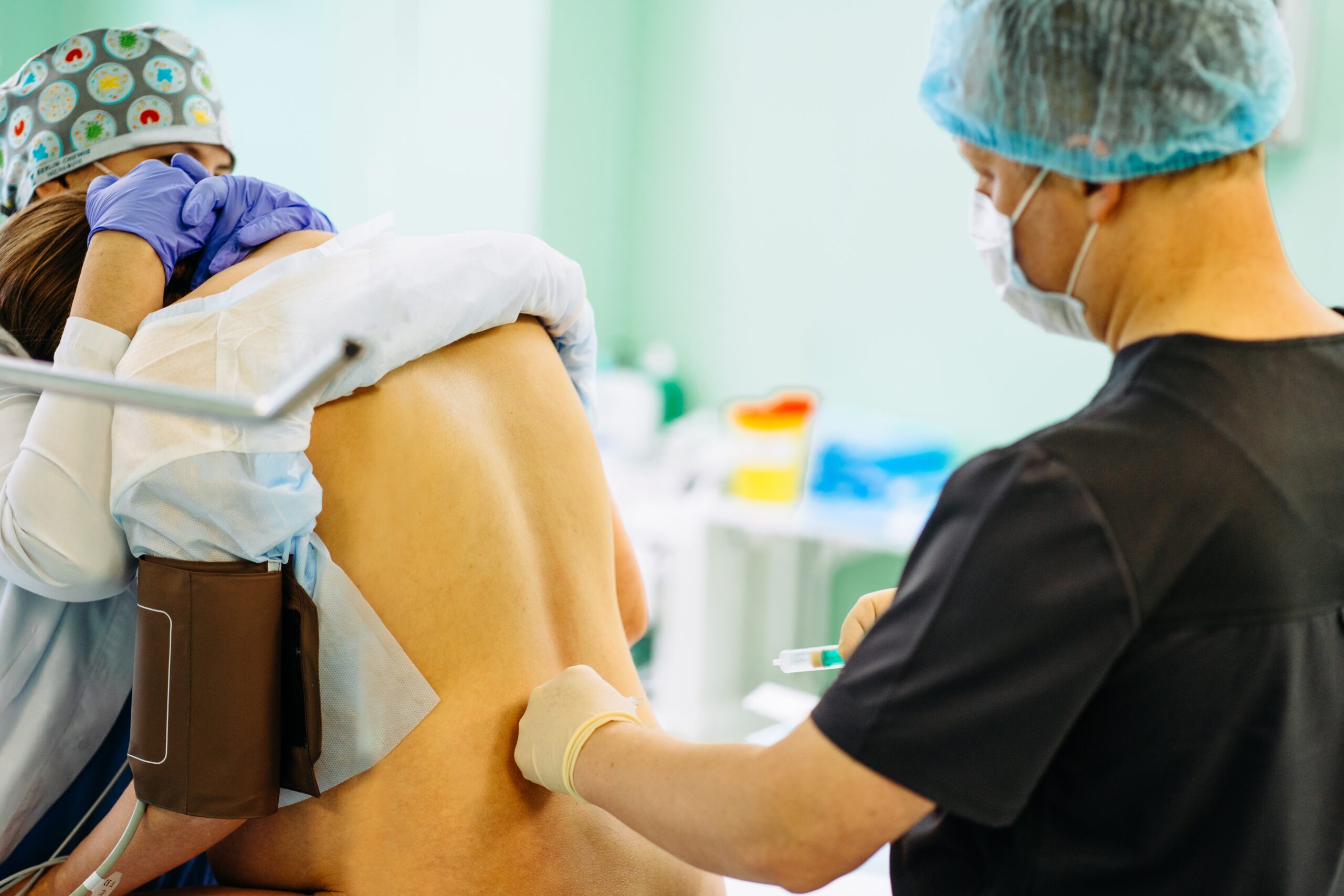
When spinal pain interferes with your daily life activities, you should seek a pain management physician for treatment. In most cases, non-surgical treatments can improve your spinal pain. But in some cases, surgery is needed. Learn about the 8 best non-surgical treatments for spinal pain that work, and when you need to consider surgery for spinal pain in this article. Visit the best Pain Management Clinic in Brooklyn at Doral Health & Wellness or log on to www.doralhw.org.
8 Non-Surgical Treatments for Spinal Pain
These non-surgical treatments for spinal pain can help you manage the pain and improve your life quality:
- Physical therapy: Physical therapy is one of the best nonsurgical treatments for spinal pain. It is customizable to fit specific conditions and symptoms. These exercises are first performed under the guidance of your physician and physical therapist specializing in spine health. Your physical therapists will focus on training your posture and testing your pain tolerance limits. Then, they tailor your exercise program based on your specific symptoms, condition, and comfort level. Exercises may include core strengthening, aerobics and stretching, and flexibility. Physical therapy may include spinal manipulation, which targets the spine with the help of a chiropractor to stimulate, massage, and adjust the spine. However, physical therapy is also considered when you have spinal cord problems, arthritis, and osteoporosis.
- Acupuncture: This is a traditional Chinese medicine practice that uses stimulating points in the body with the help of ultra-fine needles placed in some specific areas of the skin. An acupuncture practitioner inserts these needles into specific points of the body, which helps a variety of ailments, from chronic diseases to chronic pain. A systematic review states that acupuncture may help restore function and relieve pain in some people who have chronic lower back pain. A meta-analysis also found that acupuncture offers relief for chronic pain that may work well over time.
- Mindfulness and meditation: Chronic spinal pain is exhausting both physically and emotionally. However, various mindfulness and meditation practices can help to manage the frustration, irritability, depression, and other psychological effects of chronic pain. You can consult a rehabilitation psychologist to learn these practices.
They may advise you to try relaxation techniques like tai chi, yoga, and meditation, which draw your mind away from pain and boost your conscious control over your nervous system and its response to activity. The specialist also recommends some specific stress management strategies to deal with stress caused by back pain. These exercises relieve your pain if you are experiencing high stress levels. These techniques might also include exercise, meditation, and social support.
- Anti-inflammatory diet: Studies found that higher levels of inflammation are closely connected to certain types of chronic pain. While certain medications, such as nonsteroidal anti-inflammatory drugs (NSAIDs) can lower inflammation, they may come with side effects. The best way to manage inflammation is to eat an anti-inflammatory diet. Evidence shows that some foods, especially sugary and processed foods, can promote inflammation and make the pain worse. Whereas, eating certain foods can help reduce inflammation in the body, including:
- Vegetables
- Fruits
- Nuts
- Fish
- Whole grains
People with spinal pain should focus on eating these foods and maintaining a healthy weight to lower back pain by reducing pressure on their spine. You should consult a nutritionist who can guide you on how to personalize your diet plan and develop eating habits that support your health goals.
- Lifestyle changes: You need to accept the limitations that come with chronic spinal pain and make the right adjustments in your lifestyle to improve your chances of recovery. You need to listen to your body and learn to avoid any physically draining tasks.
For lifestyle changes, first note activities that worsen the pain and avoid them.
- You need to stand or sit in the correct posture to avoid straining your back.
- You need to take a break while doing strenuous activities and take several tips or seek help from people when carrying heavy or multiple objects, such as groceries.
- However, you should exercise to challenge your body and produce endorphins, natural body painkillers.
- Focus on maintaining a healthy weight because excess weight puts a lot of pressure on the back muscles and spine. Ask your physician to help you achieve healthy weight loss options to treat your condition.
- If you wear uncomfortable or tight footwear, it may misalign your back, hips, and legs. This misalignment may cause back pain and even affect your posture. Make sure you avoid wearing high heels for a long time and wear comfortable shoes.
- Also, prevent any harmful habits like smoking, which worsen pain and delay healing.
Focus on one realistic goal that you can achieve comfortably and consistently before addressing another lifestyle change.
- Pharmacologic treatments: All types of medications (topical, oral, injectable) are used to manage chronic back pain, including anti-inflammatories, muscle relaxants, nerve pain medications, and even antidepressants. It works with other nonsurgical treatments. Your doctor will examine you and look for the best medication strategies to address the cause of your pain. They first choose the lowest effective dose to minimize side effects, and it can be used as long as it is helpful and well-tolerated. Your doctor may suggest acetaminophen to treat back pain, but it won’t stop the pain process, nor is it effective for inflammation. Without a prescription, you may take nonsteroidal anti-inflammatory drugs (NSAIDs), which help to treat fever and swelling related to the condition, but they may cause side effects like diarrhea, nausea, and heartburn.
Physicians may recommend opioids after a healing period, along with nonopioids, to maximize the achievement of pain control long term. Prolonged use of opioids can be avoided because it leads to medication tolerance, increases the need for higher and riskier doses, physical dependence, and habit formation. Opioids are only prescribed when first-line and second-line pain medications are not able to provide relief. If you feel like relying on opioids to get through the day and are not offered any alternatives, you need to seek a second opinion. A physician may prescribe muscle relaxants to relieve your lower back pain or some medications for conditions like antidepressants if the pain goes down the leg.
- Injection-based treatments: The goal of this treatment is to provide immediate pain relief for the individual to participate in physical therapy. These injections are only prescribed when the cause of pain is confirmed by a diagnosis. However, it can sometimes help to rule out certain causes if other treatments don’t work. Injections may stop or lessen pain for some time, but it is not intended to be used as a long-term solution. Most common examples of these injection-based treatments are lumbar epidural steroid injection, trigger point injections, facet joint injection, nerve blocks, nerve ablations, etc.
- Alternative treatments: Massage, biofeedback therapy, laser therapy, electrical nerve stimulation, and other nonsurgical spine treatments can make a great difference for chronic spinal pain. However, before considering any of them, make sure you talk with your spine specialist. In most cases, its benefits outweigh its potential risks, so it is worth talking about.
When does spinal pain require surgery?
If home remedies, medication, and noninvasive treatments are not able to improve your symptoms, and spinal pain continues to interfere with your life, then the doctor may recommend surgery. But surgery does not necessarily fix every spinal pain issue. It may help people with a bone spur, a bulging or ruptured disk, a spinal issue, or a nerve that is under pressure. If other issues are causing spinal pain, surgery is not applicable.
Non-surgical treatments for spinal pain involve medications, injections, lifestyle changes, physical therapies, alternative treatments, etc., which are effective in most cases of spinal pain. But in case these don’t work, you can consult with your doctor to consider surgery for your spinal pain and improve your quality of life.
Need help with spinal pain? Visit our pain management clinic in Brooklyn to get professional medical help. Call us to book your appointments now!!!!!! If you’re ready to take the next step in managing your pain, we recommend consulting with our healthcare provider to explore the right treatments or therapies for you. Always listen to your body and adjust your daily routine to prioritize your well-being. Visit Doral Health & Wellness Pain Relief Department in Brooklyn, to get professional help and guidance on how to manage your problem. Call us on + 1-718-367-2555 to get a consultation. If you need help learning coping methods, register your information and make direct contact with our doctors at https://yuz88hfiyh7.typeform.com/Doralintake. Log on to www.doralhw.org. Or visit us at 1797 Pitkin Avenue, Brooklyn, NY 11212.