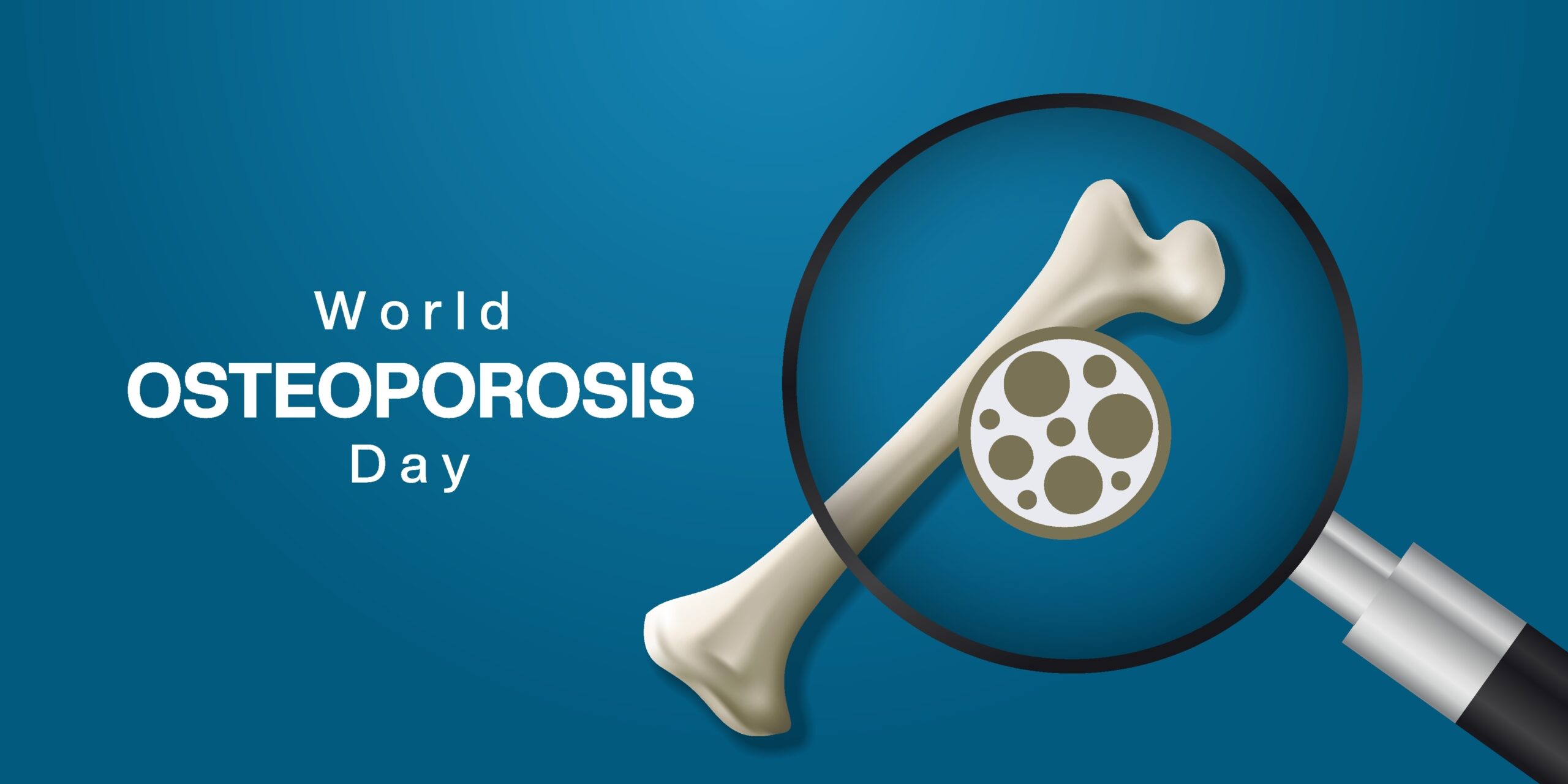
Osteoporosis is often called a “silent disease” because it weakens bones over many years without any symptoms. Most people don’t know they have it until a sudden strain, bump, or fall causes a bone to break. This World Osteoporosis Day 2025, we are shining a light on this common condition and explaining the risk factors. As part of a global world osteoporosis program, the goal is to promote early awareness and action. Understanding your personal risk is the first step toward protecting your bones for a lifetime of strength and mobility. This effort is a key part of public health education.
What is the World Osteoporosis Program All About?
Osteoporosis means “porous bone.” It’s a condition where bones lose density and quality, becoming weak and more likely to fracture. While it can affect anyone, it is most common in older adults, especially postmenopausal women. The goal of a world osteoporosis program and related health awareness programs is to shift the focus from treatment to prevention.
By educating people about the risk factors, these campaigns empower individuals to make lifestyle changes and seek medical advice before significant bone loss occurs. A fracture from osteoporosis can be a life-altering event, often leading to chronic pain, disability, and loss of independence. Early assessment and management can help prevent this outcome.
Unchangeable Risk Factors
Some risk factors for osteoporosis are out of your control. It is important to be aware of them so you can be extra vigilant about your bone health.
- Age: The older you get, the greater your risk of osteoporosis. Bone density peaks in your late 20s and then naturally begins to decline.
- Sex: Women are much more likely to develop osteoporosis than men. They have smaller, thinner bones to begin with, and they experience rapid bone loss after menopause due to the drop in estrogen levels.
- Family History: If one of your parents had a hip fracture, you may be more likely to develop osteoporosis and fractures yourself.
- Body Frame Size: Men and women who have small body frames tend to have a higher risk because they may have less bone mass to draw from as they age.
- Certain Medical Conditions: Conditions like rheumatoid arthritis, celiac disease, inflammatory bowel disease, and kidney or liver disease can increase your risk.
Lifestyle and Modifiable Risk Factors
The good news is that many of the most significant risk factors for osteoporosis are within your control. This is where public health education plays a vital role.
Dietary Factors
- Low Calcium Intake: A lifelong lack of calcium plays a major role in the development of osteoporosis. Calcium is the primary building block of bone.
- Low Vitamin D Intake: Vitamin D is essential for your body to absorb calcium. Many people do not get enough vitamin D from sunlight or their diet.
- Eating Disorders: Being severely underweight weakens bones in both men and women.
Lifestyle Choices
- Sedentary Lifestyle: People who spend a lot of time sitting have a higher risk of osteoporosis than those who are more active. Weight-bearing exercises are crucial for building and maintaining strong bones.
- Excessive Alcohol Consumption: Regularly consuming more than two alcoholic drinks a day increases your risk of osteoporosis.
- Tobacco Use: The exact role tobacco plays in osteoporosis isn’t clear, but it has been shown to contribute to weak bones.
How to Protect Your Bone Health
On World Osteoporosis Day 2025, the message is one of empowerment. You can take concrete steps today to build and protect your bones for the future.
- Get Enough Calcium and Vitamin D: Aim for 1,000 to 1,200 mg of calcium per day, depending on your age. Good sources include dairy products, leafy green vegetables, and fortified foods. Your doctor can recommend a vitamin D supplement if needed.
- Engage in Weight-Bearing Exercise: Activities like walking, jogging, dancing, and weightlifting stimulate your bones to grow stronger. Aim for at least 30 minutes of weight-bearing exercise most days of the week.
- Avoid Smoking and Limit Alcohol: Making these healthy choices benefits your entire body, including your bones.
- Talk to Your Doctor About a Bone Density Test: A bone density test, or DEXA scan, is a simple, painless X-ray that measures the mineral density of your bones. It’s the best way to diagnose osteoporosis before a fracture occurs. Your doctor can tell you if and when you should have one.
Take the Next Step for Your Bones
Osteoporosis is a serious condition, but it is not an inevitable part of aging. By understanding your risks and taking proactive steps, you can maintain a strong and healthy skeleton throughout your life. These types of health awareness programs are designed to give you the tools you need.
Use World Osteoporosis Day 2025 as your motivation. Talk to your doctor about your bone health, discuss your personal risk factors, and ask if a bone density test is right for you. Your future self will thank you. If you’re ready to take the next step in managing your health, we recommend consulting with our endocrinology experts to explore the right treatments for your hormonal health. You can schedule an appointment with Doral Health and Wellness Endocrinology experts in Brooklyn. If you are looking for endocrine disease support and treatments, you can also talk to our specialists and inquire about them. To schedule an appointment, please visit us at 1797 Pitkin Avenue, Brooklyn, New York 11212, or call + 1-718-367-2555. We have the best endocrinologists who treat these kinds of diseases and helpful staff to aid you during your treatment. If you need help, register your information and make direct contact with our doctors at https://yuz88hfiyh7.typeform.com/Doralintake.