
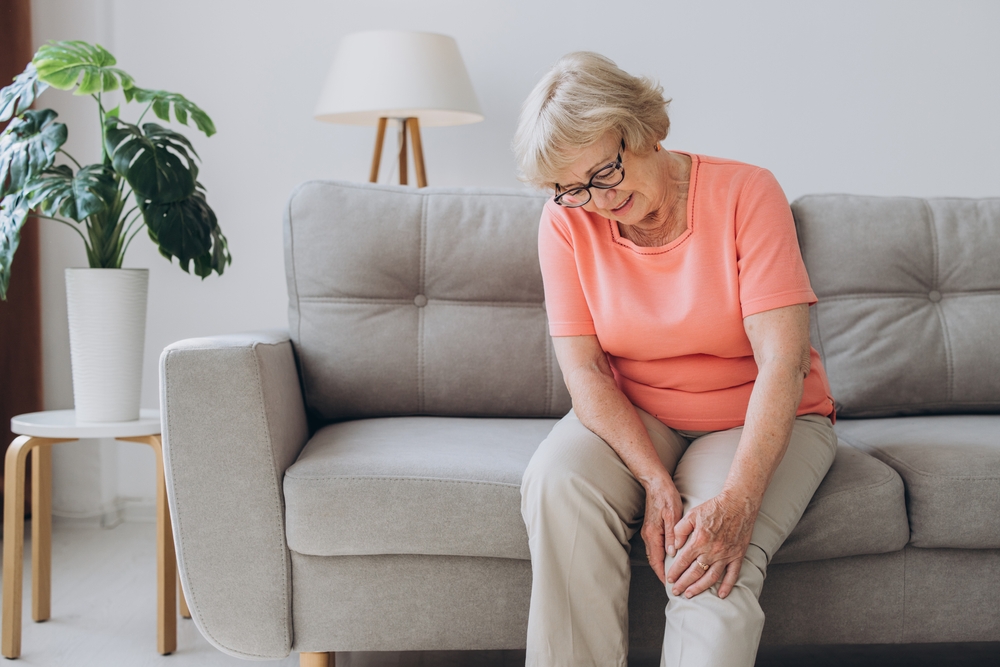
Each year on October 20, the world recognizes a crucial health issue that affects millions, often without them even knowing it. World Osteoporosis Day 2025 is an opportunity to focus on managing bone health and, most importantly, on osteoporosis prevention. Osteoporosis is a disease that makes bones weak and more likely to break, but it is not an unavoidable part of getting older. By taking proactive steps today, you can build a stronger skeleton for the future. Effective public health education empowers you with the knowledge to make informed decisions about your diet, exercise, and overall lifestyle to keep your bones healthy for life.
The Foundation of Osteoporosis Prevention
Think of your bones as a bank account where you make “deposits” and “withdrawals” of bone tissue throughout your life. Your bone mass peaks in your late 20s. After that, the focus shifts from building bone to preserving it. Osteoporosis prevention starts early, but it is never too late to adopt bone-healthy habits. These strategies are the cornerstone of many national and global health awareness programs.
Build a Bone-Smart Diet
Nutrition is a critical pillar of bone health. Two key nutrients stand out:
- Calcium: This mineral is the primary building block of bone. Your body cannot make it, so you must get it from food. Adults typically need between 1,000 and 1,200 mg per day. Rich sources include milk, yogurt, cheese, fortified cereals and juices, and dark leafy greens like kale.
- Vitamin D: This vitamin is essential for your body to absorb the calcium you eat. Your skin can produce vitamin D from sun exposure, but many people still fall short. Fatty fish (like salmon), egg yolks, and fortified milk are good dietary sources. Your doctor may recommend a supplement to ensure you get enough.
Embrace Weight-Bearing Exercise
Physical activity places stress on your bones, signaling your body to build them up stronger. To be effective for osteoporosis prevention, exercise needs to be “weight-bearing.”
- High-Impact Weight-Bearing: Activities like running, dancing, aerobics, and jumping rope are excellent for building bone density.
- Low-Impact Weight-Bearing: If high-impact exercises are not right for you, activities like fast walking, using an elliptical machine, or climbing stairs are also beneficial.
- Muscle-Strengthening: Lifting weights, using resistance bands, or doing body-weight exercises like push-ups helps strengthen the muscles that support your bones, which also improves balance and helps prevent falls.
Lifestyle Choices That Impact Your Bones
Beyond diet and exercise, several daily habits can either help or harm your efforts at osteoporosis prevention. Understanding these factors is a key goal of public health education campaigns.
- Limit Alcohol: Chronic and excessive alcohol consumption interferes with the body’s ability to absorb calcium and can disrupt the hormones that protect bones. Sticking to moderate consumption is best for your skeleton.
- Avoid Smoking: Smoking is toxic to your bones. Studies show that smoking can reduce your bone mass and increase your risk of fractures. Quitting is one of the best things you can do for your bone health.
- Maintain a Healthy Weight: Being underweight is a significant risk factor for osteoporosis. A low body weight means less bone mass to begin with and can be associated with poor nutrition.
Part of managing your bone health is knowing when to seek medical advice. It’s important to have a conversation with your healthcare provider about your personal risk for osteoporosis.
Your doctor can help you:
- Assess Your Risk Factors: These include your age, gender, family history, and any medical conditions or medications that might affect your bones.
- Determine if You Need a Bone Density Test: A DEXA scan is a simple, non-invasive X-ray that measures your bone mineral density. It is the gold standard for diagnosing osteoporosis and assessing your fracture risk.
- Create a Plan: Based on your risk profile and bone density, your doctor can help you create a personalized plan for osteoporosis prevention.
Take Control This World Osteoporosis Day
Health awareness programs like World Osteoporosis Day 2025 serve as a powerful reminder that you have the power to influence your long-term health. Osteoporosis is not silent when you know what to look and listen for. By making conscious choices about your diet, staying active, and engaging with your healthcare provider, you can build a resilient skeleton that will support you for a lifetime.
Use this day as a catalyst for action. Review your daily habits, start a new walking routine, or schedule that long-overdue check-up. Investing in your bone health today is an investment in a strong, independent, and fracture-free future. If you’re ready to take the next step in managing your health, we recommend consulting with our endocrinology experts to explore the right treatments for your hormonal health. You can schedule an appointment with Doral Health and Wellness Endocrinology experts in Brooklyn. If you are looking for endocrine disease support and treatments, you can also talk to our specialists and inquire about them. To schedule an appointment, please visit us at 1797 Pitkin Avenue, Brooklyn, New York 11212, or call + 1-718-367-2555. We have the best endocrinologists who treat these kinds of diseases and helpful staff to aid you during your treatment. If you need help, register your information and make direct contact with our doctors at https://yuz88hfiyh7.typeform.com/Doralintake.



