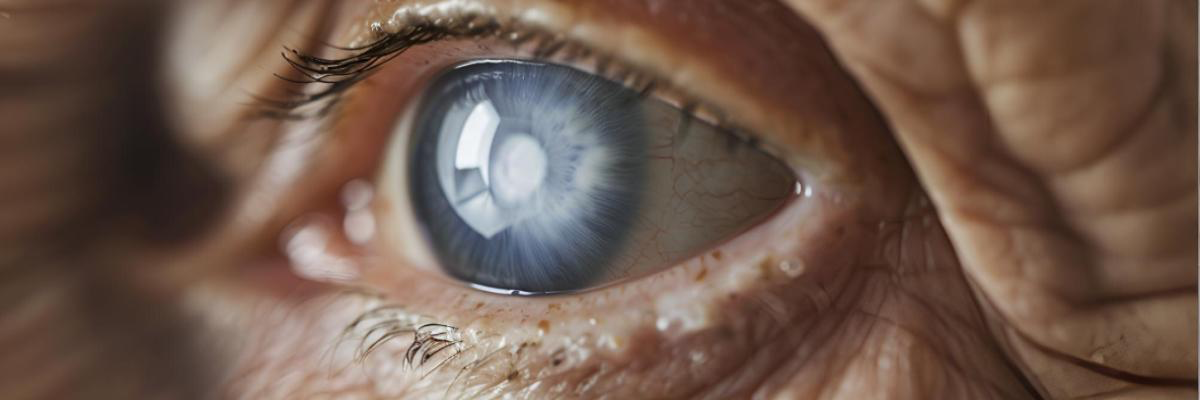
Glaucoma is a group of eye conditions that damage the optic nerve, which is vital for good vision. This damage is often caused by abnormally high pressure inside your eye. As one of the leading causes of blindness for people over the age of 60, understanding its signs is critical. Many forms of glaucoma have no warning signs, making regular eye exams essential for early detection. Knowledge of glaucoma symptoms, the underlying glaucoma causes, and available glaucoma treatment options can empower you to protect your sight and manage the condition effectively.
At Doral Health & Wellness, we are proud of our commitment to providing integrated, interdisciplinary health services to our community. Our expert ophthalmologists are dedicated to delivering trusted medical treatments and personalized guidance for your eye health. We invite you to connect with our innovative medical facility for comprehensive and supportive care.
Understanding the Primary Glaucoma Causes and Risk Factors
The most significant cause of optic nerve damage in glaucoma is elevated intraocular pressure (IOP). This pressure builds up when the fluid inside the eye, known as aqueous humor, does not drain properly. Normally, this fluid flows out through a mesh-like channel. If this channel is blocked or the eye produces too much fluid, the pressure increases and begins to damage the delicate fibers of the optic nerve.
Key Risk Factors for Glaucoma
While anyone can develop glaucoma, certain factors increase your risk.
- High Internal Eye Pressure (IOP) – This is the most significant risk factor.
- Age – Individuals over 60 are at a much higher risk.
- Family History – Having a family history of glaucoma increases your likelihood of developing the condition.
- Medical Conditions – Diabetes, heart disease, high blood pressure, and sickle cell anemia can increase your risk.
- Corticosteroid Use – Prolonged use of corticosteroids, especially eye drops, can lead to secondary glaucoma.
- Eye Injury – Severe trauma to the eye can cause an immediate increase in eye pressure.
A consultation with the best eye doctor can help assess your personal risk factors during a comprehensive eye exam.
Types of Glaucoma and Their Symptoms
Glaucoma is not a single disease but a spectrum of conditions. The two most common types are open-angle glaucoma and angle-closure glaucoma, each with distinct characteristics and symptoms. Recognizing the various glaucoma symptoms is key to seeking timely care.
Open-Angle Glaucoma
This is the most common form of the disease. In open-angle glaucoma, the drainage angle formed by the cornea and iris remains open, but the trabecular meshwork is partially blocked. This causes pressure in the eye to gradually increase, leading to slow and painless vision loss.
Symptoms
- Patchy blind spots in your peripheral (side) vision, often in both eyes.
- In advanced stages, tunnel vision.
Because the process is so gradual, many people do not notice a change in their vision until the condition is at an advanced stage. This is why it is often called the “silent thief of sight.”
Angle-Closure Glaucoma
Also known as narrow-angle glaucoma, this type occurs when the iris bulges forward to narrow or block the drainage angle. As a result, fluid cannot circulate through the eye, and pressure increases abruptly. An acute angle-closure glaucoma attack is a medical emergency.
Symptoms of an Acute Attack:
- Severe headache
- Intense eye pain
- Nausea and vomiting
- Blurred vision
- Halos around lights
- Eye redness
If you experience these symptoms, you must seek immediate care from an eye doctor NY or an emergency room.
Effective Glaucoma Treatment Options
The damage caused by glaucoma is irreversible. However, medical and surgical glaucoma treatment can help to stop further damage and preserve your remaining vision. Treatment is focused on lowering the intraocular pressure to a safe level.
Medicated Eye Drops
Prescription eye drops are the most common initial treatment. These medications work by either decreasing the amount of fluid your eye produces or improving how fluid drains from your eye. It is crucial to use these drops exactly as prescribed to control your eye pressure effectively.
Oral Medications
If eye drops alone are not sufficient to lower your IOP, your doctor might also prescribe an oral medication. These usually work by reducing fluid production in the eye.
Laser Therapy
Laser treatment is an effective option for many patients.
- Trabeculoplasty – For open-angle glaucoma, this procedure uses a laser to improve the function of the drainage angle, helping fluid flow out more easily.
- Laser Iridotomy – For angle-closure glaucoma, the surgeon uses a laser to create a tiny hole in the iris. This allows fluid to flow more freely and relieves pressure.
Surgical Procedures
If medications and laser therapy are not effective, your ophthalmologist may recommend surgery.
- Trabeculectomy – In this procedure, the surgeon creates a new channel to allow fluid to drain from the eye, thereby lowering pressure.
- Drainage Devices – Your doctor may implant a small tube, or shunt, in your eye to help drain away excess fluid.
- Minimally Invasive Glaucoma Surgery (MIGS) – These procedures generally require tiny incisions and cause less trauma to the eye than traditional surgery. They are often associated with a lower risk of complications.
Finding the best ophthalmologist near me is essential for discussing which treatment approach is most appropriate for your specific condition.
Your Partner in Preserving Vision
Glaucoma is a serious condition that requires lifelong management. Early detection through regular, comprehensive eye exams is the most important step you can take to protect your vision. Understanding the potential glaucoma causes and adhering to your prescribed glaucoma treatment plan is vital for slowing the progression of the disease. With the right care and a strong partnership with your eye doctor, you can continue to live a full life with glaucoma.
For expert and compassionate ophthalmology care in the East New York community, trust the specialists at Doral Health & Wellness. Our dedicated team provides cutting-edge diagnostics and a full spectrum of treatments to manage glaucoma and protect your vision. To schedule a consultation with the best eye doctor and receive a comprehensive evaluation, contact Doral Health & Wellness today at 1-718-365-2555 or visit us at 1797 Pitkin Avenue, Brooklyn, New York 11212. For general information about Doral Health & Wellness services, you can contact or email info@doralhw.org.