
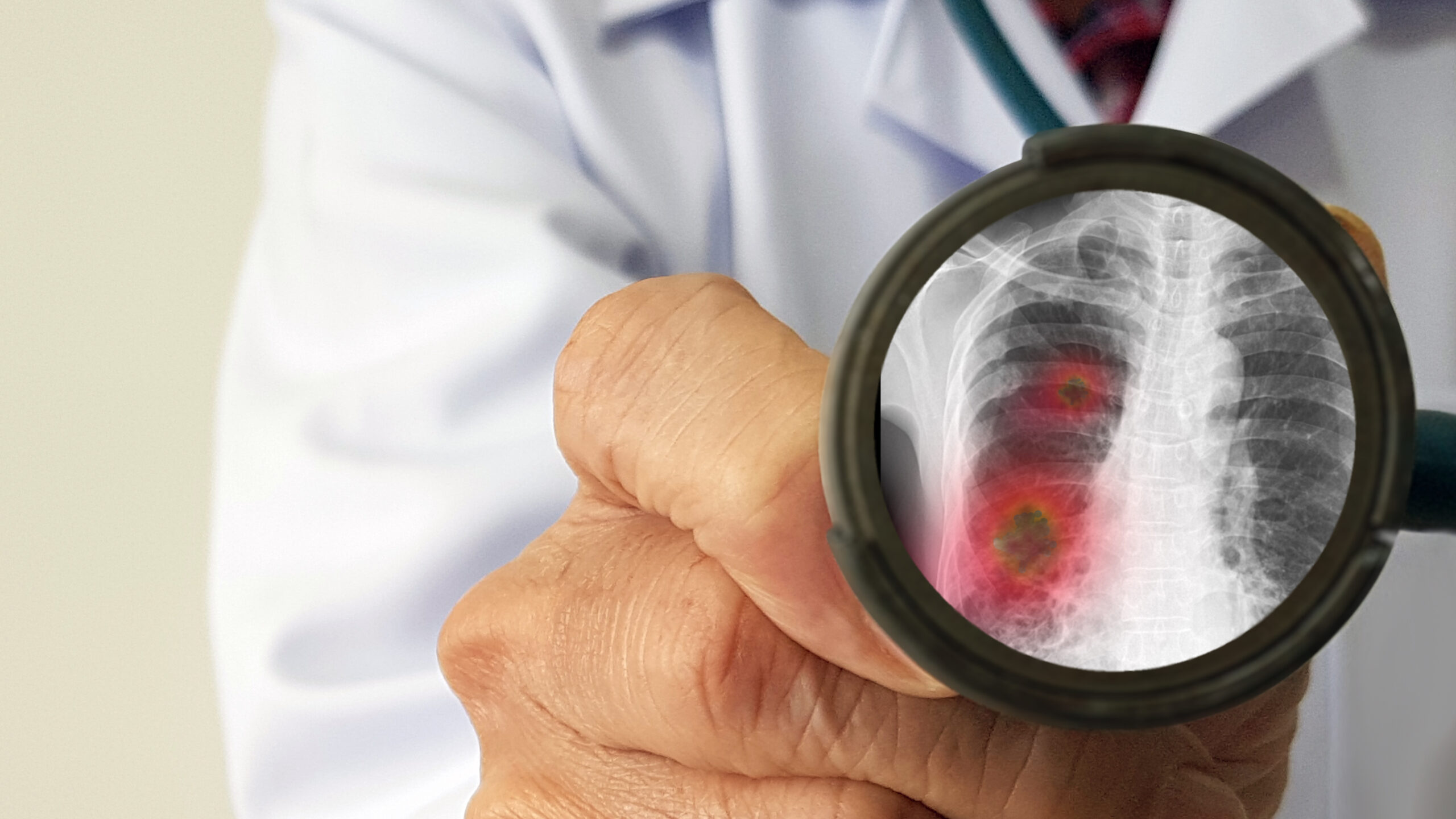
When discussing lung cancer, tobacco smoke is often the first thing that comes to mind. While it is the leading cause, it is far from the only one. A variety of substances in our environment—at home, outdoors, and in the workplace—can significantly increase the risk of developing this disease. Understanding the common carcinogens associated with lung cancer is a critical component of public health and personal well-being. By increasing health awareness about these hidden dangers, we can take proactive steps to minimize exposure and protect our respiratory health. This knowledge is a powerful tool in the broader effort of lung cancer awareness. Log on to www.doralhw.org for a consultation.
The Most Common Carcinogens Associated with Lung Cancer
A carcinogen is any substance or agent that can cause cancer. For lung cancer, these agents typically enter the body through inhalation, where they can damage the cells lining the airways. Over time, this damage can lead to mutations that result in uncontrolled cell growth, or cancer.
Tobacco Smoke
It is impossible to discuss lung cancer carcinogens without starting with tobacco. It is the number one risk factor, responsible for the vast majority of all lung cancer cases.
- Cigarette Smoke: Contains more than 7,000 chemicals, with at least 70 known to cause cancer. These carcinogens damage the DNA in lung cells, leading to the formation of tumors.
- Secondhand Smoke: Also known as environmental tobacco smoke, this is the smoke inhaled from other people’s cigarettes, cigars, or pipes. Non-smokers who live with smokers have a significantly higher risk of developing lung cancer than non-smokers who do not. There is no safe level of exposure to secondhand smoke.
Radon Gas
Radon is the second leading cause of lung cancer and the leading cause among non-smokers. It is a naturally occurring radioactive gas that is invisible, odorless, and tasteless.
- How it Forms: Radon is produced from the natural decay of uranium found in soil, rock, and water. It can seep into buildings through cracks in foundations, walls, and floors.
- The Risk: Once inside, radon can accumulate to dangerous levels. When inhaled, the radioactive particles can damage the cells of the lung lining. The risk is especially high in homes with poor ventilation. Testing your home for radon is a simple and inexpensive step that can be life-saving.
Asbestos
Asbestos is a mineral fiber that was once widely used in construction, insulation, and manufacturing due to its heat resistance and durability.
- Exposure: When asbestos-containing materials are disturbed, tiny fibers are released into the air. If inhaled, these fibers can become permanently lodged in the lung tissue.
- Long-term Damage: The lodged fibers cause chronic inflammation and scarring, which can lead to lung cancer or mesothelioma (a cancer of the lung lining) decades after the initial exposure. Occupations at high risk include construction workers, miners, shipyard workers, and auto mechanics.
Occupational and Environmental Exposures
Beyond asbestos, many other workplace and environmental substances are classified as lung carcinogens. Promoting lung cancer awareness in high-risk industries is crucial.
- Diesel Exhaust: Fumes from diesel engines contain a mixture of gases and soot (particulate matter) that are classified as carcinogenic. People who work as truck drivers, railroad workers, and miners are often exposed to high levels.
- Crystalline Silica: This is a basic component of soil, sand, and granite. When workers cut, drill, or grind materials containing silica, they can inhale fine dust particles, increasing their lung cancer risk. This affects miners, foundry workers, and stonecutters.
- Other Industrial Chemicals: A range of other chemicals, including arsenic, beryllium, cadmium, chromium, and nickel compounds, is also linked to lung cancer, primarily through occupational exposure in manufacturing and smelting industries.
- Air Pollution: Particulate matter found in outdoor air pollution, especially from traffic and industrial sources, is also recognized as a cause of lung cancer.
Reducing Your Risk and Promoting Health Awareness
While you can’t eliminate every risk, knowledge of these common carcinogens associated with lung cancer empowers you to take protective measures.
- Don’t Smoke: If you smoke, quitting is the single most important thing you can do for your lung health. If you don’t smoke, don’t start.
- Avoid Secondhand Smoke: Create smoke-free rules for your home and car, and avoid public places that permit smoking.
- Test Your Home for Radon: Purchase a radon test kit or hire a professional to check the levels in your home. If levels are high, a radon mitigation system can be installed.
- Be Cautious at Work: If you work in a high-risk industry, follow all safety guidelines provided by your employer. Use personal protective equipment, such as respirators, and ensure proper ventilation.
- Support Clean Air Policies: Advocate for policies that reduce air pollution in your community.
Understanding the risks is the first step toward prevention. Lung cancer is a complex disease, but minimizing your exposure to known carcinogens can dramatically lower your chances of developing it. Be proactive about your environment and have open conversations with your doctor about any potential exposures you may have had. Your lungs will thank you for it. At Doral Health and Wellness Pulmonary Center, we offer the best care in all aspects of pulmonology. Visit our pulmonologists to have your signs and symptoms checked. To schedule an appointment, you can visit us at 1797 Pitkin Avenue, Brooklyn, New York 11212, or call us at 1-718-367-2555. You can also register your information and make direct contact with us at https://yuz88hfiyh7.typeform.com/Doralintake or send an email to info@doralhw.org.



