When exploring surgical weight loss options, the Roux-en-Y gastric bypass often comes up as a highly effective choice. Understanding the specifics of the Roux-en-Y surgery procedure is a key step in making an informed decision. Just as important is having a clear picture of the potential Roux-en-Y surgery risks involved. This guide will walk you through what happens during the operation and what challenges you might face, helping you prepare for a meaningful conversation with a specialist. Log on to https://doralhw.org/specialties/bariatric/ to know more about weight loss.
The Roux-en-Y Surgery Procedure Explained
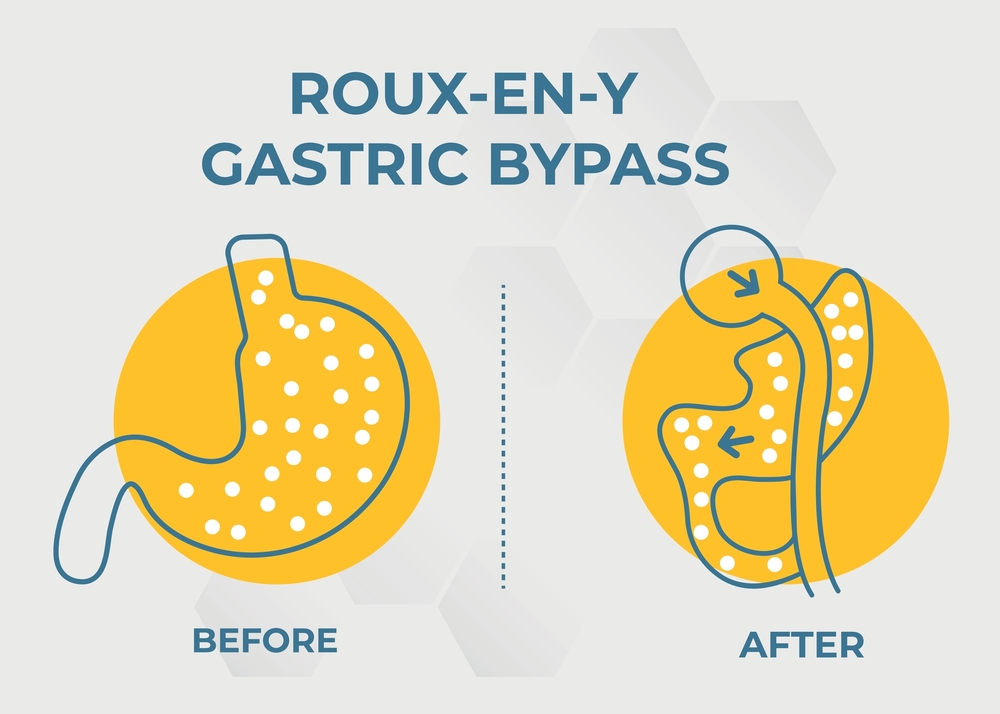
The Roux-en-Y gastric bypass is a complex operation that promotes weight loss by restricting food intake and reducing calorie absorption. Most surgeons perform this procedure laparoscopically, using several small incisions to minimize recovery time. A skilled bariatric doctor will carry out the surgery in three main phases.
Step 1: Creating a Small Stomach Pouch
The surgeon first uses a surgical stapler to divide the stomach into two separate sections. The upper section is formed into a small pouch, about the size of an egg. This new pouch will serve as your new stomach, holding only a small amount of food at a time. The larger, lower part of the stomach remains in place but no longer comes into contact with food.
Step 2: Rerouting the Digestive System
Next, the surgeon divides the small intestine. The lower segment is then brought up and connected directly to the small stomach pouch created in the first step. This rerouting means that food will now bypass the majority of your stomach and the first part of your small intestine (the duodenum).
Step 3: Reconnecting the Intestine
The final step is to reattach the top portion of the divided small intestine to the lower portion. This creates a “Y” shape, which is where the procedure gets its name. This connection allows digestive juices from the bypassed stomach to meet the food further down the digestive tract, enabling the eventual digestion of nutrients.
Understanding the Roux-en-Y Surgery Risks
While the procedure has a high success rate, it is a major surgery and comes with potential risks. A thorough discussion about the Roux-en-Y surgery risks is a critical part of the pre-operative process at any reputable bariatric clinic in Brooklyn, NY.
Short-Term and Long-Term Risks
- Immediate Surgical Risks: As with any major operation, there are risks such as bleeding, infection, blood clots, and adverse reactions to anesthesia. Leaks at the new connections in the GI tract are a rare but serious complication.
- Dumping Syndrome: This condition can occur when sugary or fatty foods move too quickly from the stomach pouch into the intestine, causing symptoms like nausea, cramping, and diarrhea.
- Nutritional Deficiencies: Because the body absorbs fewer nutrients, patients are at risk for deficiencies in iron, calcium, vitamin B12, and other vital minerals. Lifelong vitamin supplementation is required.
- Gallstones: Rapid weight loss can increase the risk of developing gallstones.
Your Path to a Healthier Life
The decision to undergo weight loss surgery is significant and requires careful planning and a lifelong commitment. The procedure is a tool, not a magic cure. Success depends on adhering to a new way of eating and living.
If you are struggling with severe obesity, consulting with an experienced bariatric doctor is the most important first step. A comprehensive evaluation at a specialized bariatric clinic in Brooklyn, NY, will determine if you are a candidate and help you prepare for the journey ahead. If you are looking for a weight loss surgery center near you, contact us on +1 718 367 2555 for a consultation with our bariatric doctors. If you need help, register your information and make direct contact with our doctors at https://yuz88hfiyh7.typeform.com/Doralintake. Doral Health and Wellness has the best bariatric doctors and surgeons to treat obesity and weight problems. Book your appointment and walk in at 1797 Pitkin Avenue, Brooklyn, New York 11212.