
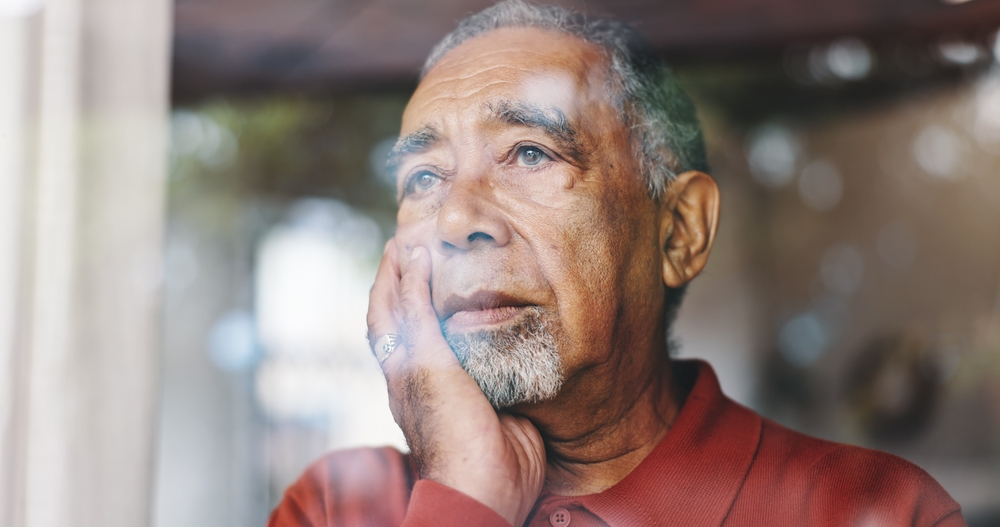
It’s natural to have moments of forgetfulness, like misplacing keys or forgetting a name. However, when memory issues start to affect daily life, it might be more than simple aging. Understanding the early signs of dementia is crucial for timely intervention and planning. Recognizing warning symptoms of dementia can empower individuals and their families to seek support and explore ways to manage the condition effectively. This knowledge is the first step toward addressing cognitive changes and learning about potential strategies for how to prevent dementia or slowing its progression. Visit the best Mental Health Clinic in Brooklyn at Doral Health & Wellness, or log on to www.doralhw.org.
Recognizing Warning Symptoms of Dementia
Dementia isn’t a single disease but an umbrella term for a range of conditions characterized by a decline in cognitive function. While Alzheimer’s is the most common type, other forms exist. Recognizing the early signs is key.
- Memory Loss That Disrupts Daily Life
One of the most common early signs of dementia is memory loss, particularly forgetting recently learned information. This goes beyond occasional forgetfulness.
- Asking for the same information repeatedly.
- They rely heavily on memory aids (notes, electronic reminders) for things they used to handle on their own.
- Forgetting important dates or events.
- Difficulty with Planning or Solving Problems
Some people may experience changes in their ability to develop and follow a plan or work with numbers. This can manifest as:
- Trouble following a familiar recipe or keeping track of monthly bills.
- Difficulty concentrating and taking much longer to do things than before.
- Challenges in Completing Familiar Tasks
People with early dementia often find it hard to complete daily tasks. They might have trouble driving to a familiar location, managing a budget at work, or remembering the rules of a favorite game. Everyday activities that were once second nature can become difficult.
- Confusion with Time or Place
Losing track of dates, seasons, and the passage of time is a common symptom. Individuals may forget where they are or how they got there. This confusion can be disorienting and distressing.
- Trouble Understanding Visual Images and Spatial Relationships
For some, vision problems are an early sign of dementia. This may lead to difficulty with balance or trouble reading. They may also have problems judging distance and determining color or contrast, which can cause issues with driving.
Behavioral and Psychological Changes
Beyond cognitive shifts, dementia can also cause changes in mood and personality. Recognizing these warning symptoms of dementia is just as important.
- Mood Swings: Becoming confused, suspicious, depressed, fearful, or anxious. They may be easily upset at home, at work, with friends, or in places where they are out of their comfort zone.
- Withdrawal from Social Activities: A person with dementia may start to remove themselves from hobbies, social activities, or other engagements. They may have trouble keeping up with their favorite sports team or remembering how to complete a familiar hobby.
- Changes in Personality: They might become irritable, agitated, or apathetic. Poor judgment may become apparent, such as making poor decisions with money.
How to Prevent Dementia: Proactive Steps for Brain Health
While there’s no guaranteed way to prevent dementia, research suggests that lifestyle choices can significantly influence your risk. Adopting healthy habits can support long-term brain health.
- Stay Physically Active: Regular exercise increases blood flow to the brain and can stimulate the growth of new brain cells. Aim for at least 150 minutes of moderate-intensity exercise per week.
- Eat a Healthy Diet: A diet rich in fruits, vegetables, whole grains, and lean proteins, like the Mediterranean diet, has been linked to a lower risk of cognitive decline.
- Challenge Your Mind: Keep your brain engaged with mentally stimulating activities. Read, solve puzzles, play strategy games, or learn a new skill or language.
- Maintain Social Connections: Staying socially active can help protect against dementia. Engage with friends, family, and community.
- Manage Cardiovascular Health: High blood pressure, high cholesterol, and diabetes can increase your risk of dementia. Work with your doctor to manage these conditions effectively.
When to Seek Professional Help
If you or your loved ones are experiencing several of these symptoms, it’s important not to ignore them. An early diagnosis can help you get the maximum benefit from available treatments and provide more time to plan for the future.
Start by consulting your primary care physician. They may refer you to a specialist, such as a neurologist or a behavioral health specialist, for a more thorough evaluation. A behavioral health specialist can assess cognitive changes and provide support for managing the emotional and psychological impacts of a potential diagnosis.
Many families find support at local mental health clinics. These clinics offer resources, counseling, and guidance for both the individual experiencing symptoms and their caregivers. Early intervention at a reputable mental health clinic can improve quality of life and help families navigate the journey ahead with greater confidence. Don’t hesitate to seek professional advice to get the answers and support you need. Our mental health specialists are always ready to help people with dementia and create a personalized treatment plan that improves their condition significantly. For further inquiries, call us on +1-718-367-2555 to get a consultation. We have some of the finest psychiatrist doctors who listen to your concerns, examine your symptoms, and create a treatment plan to improve your condition as soon as possible. If you need help, you can register your information at https://yuz88hfiyh7.typeform.com/Doralintake. If you need help learning coping methods, register your information and make direct contact with our doctors and psychiatrists to learn those methods, log on to www.doralw.org. Visit us at 1797 Pitkin Avenue, Brooklyn, NY 11212.