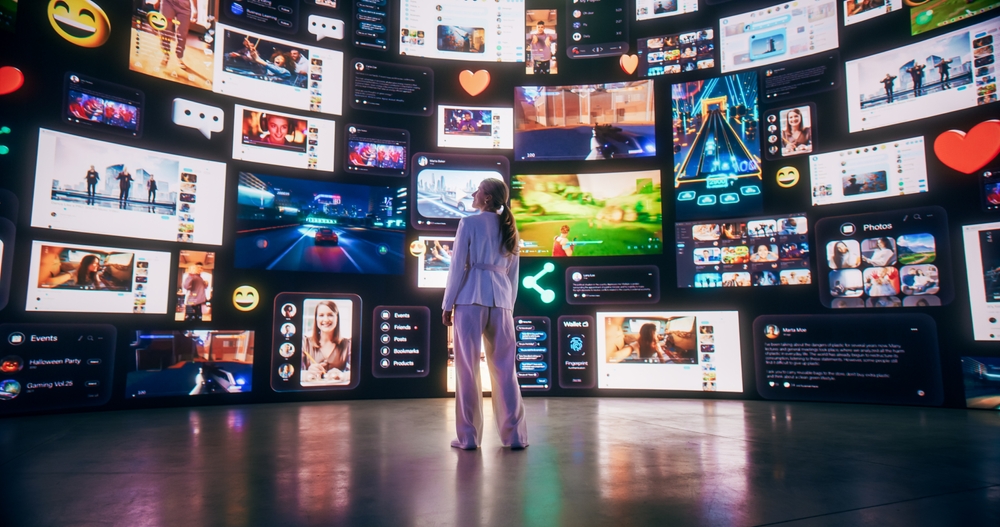
You close your phone after a quick scroll through social media, but instead of feeling connected, you feel oddly drained and irritable. This experience is becoming increasingly common. It is a modern form of mental fatigue fueled by the constant pressure to engage, compare, and perform online. This phenomenon highlights a growing issue: social media stress and micro-burnout. Unlike traditional burnout tied to work, this version is subtler. It is a low-grade, persistent exhaustion caused by the countless tiny emotional and cognitive demands of our digital lives. Recognizing this drain is the first step to managing its impact. Visit the best Behavioral Health Clinic in Brooklyn at Doral Health & Wellness, or log on to www.doralhw.org.
The Cycle of Social Media Stress and Micro-Burnout
The connection between our digital habits and mental exhaustion is not just about the time we spend online; it is about the quality of that time. Social media stress and micro-burnout are driven by several key factors that chip away at our mental reserves.
Constant Comparison and FOMO
Social media feeds are often highlight reels of other people’s lives. This curated reality creates an environment ripe for comparison.
- Fear of Missing Out (FOMO): Seeing friends on vacation or celebrating achievements can trigger anxiety and a feeling that your own life is lacking.
- Effort of Impression Management: There’s an unspoken pressure to present a polished version of yourself, which requires constant mental energy to maintain.
Information Overload
Our brains are not designed to process the sheer volume of information that social media platforms deliver.
- Cognitive Drain: Every post, story, and notification demands a small piece of your attention, leading to a state of continuous partial attention that is incredibly taxing.
- Emotional Swings: Rapidly switching between a friend’s joyful news, a tragic world event, and a trivial meme can cause emotional whiplash, leaving you feeling unsettled.
Strategies to Combat Digital Burnout
The goal is not to abandon technology altogether but to use it more mindfully. Breaking the cycle of social media stress and micro-burnout requires conscious effort and new habits.
- Curate Your Feed Intentionally
You have control over what you see.
- Mute and Unfollow: Regularly remove accounts that make you feel inadequate, anxious, or angry. Your feed should be a source of inspiration, not stress.
- Follow Positive Content: Seek out accounts focused on hobbies, education, or uplifting messages to create a more positive digital environment.
- Implement Digital Boundaries
Create separation between your real life and your online life.
- Schedule “No-Scroll” Times: Designate specific times of the day, such as the first hour after waking up and the last hour before bed, as screen-free zones.
- Turn Off Non-Essential Notifications: Each buzz or ding pulls you out of the present moment. Take back control by disabling notifications for social media apps.
When Professional Help is Needed
If you find that social media is consistently impacting your mood, sleep, or self-esteem, it may be time to seek support. A behavioral health specialist can help you understand the underlying psychological patterns driving your digital habits.
They can provide cognitive-behavioral strategies to help you reframe negative thought patterns associated with social media use. For those in New York City, visiting a local mental health clinic in Brooklyn can provide a safe space to discuss these challenges without judgment. Speaking with a professional can offer clarity and equip you with effective tools for long-term mental well-being.
The link between social media stress and micro-burnout is a defining challenge of our connected age. The constant stream of information and comparison can slowly deplete your mental and emotional energy. By setting firm boundaries and curating a healthier digital space, you can start to push back against this drain.
If you are struggling to manage these pressures on your own, remember that help is available. A consultation with a behavioral health specialist at a trusted mental health clinic in Brooklyn can provide the support you need. The professionals on the behavioral health team are ready to help you build a healthier relationship with technology. For further inquiries, call us on +1-718-367-2555 to get a consultation. We have the finest doctors psychiatrist who listen to your concerns, examine your symptoms, and create a treatment plan to improve your condition as soon as possible. If you need help learning coping methods, register your information and make direct contact with us at https://yuz88hfiyh7.typeform.com/Doralintake or send an email to info@doralhw.org. You can also visit us at 1797 Pitkin Avenue, Brooklyn, NY 11212.