
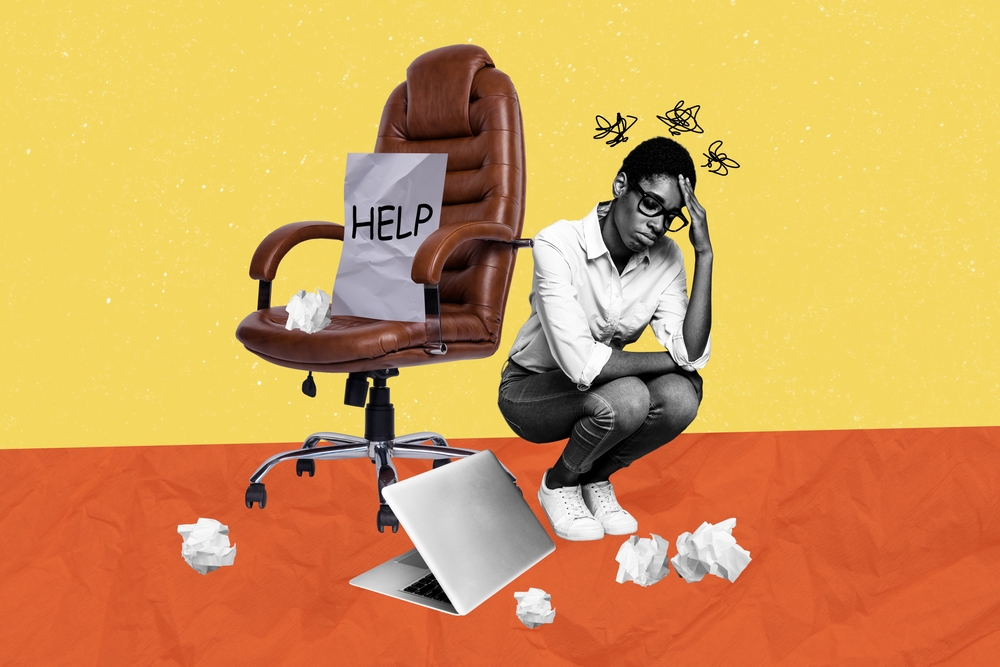
For many, the shift to digital healthcare was a lifeline during uncertain times. Being able to connect with a therapist from the comfort of a living room removed barriers like commute times and geographical distance. However, as the world settles into a hybrid rhythm, a new phenomenon is emerging: teletherapy fatigue. While virtual care in behavioral health revolutionized access, staring at a screen for intimate conversations can sometimes feel draining rather than healing. Understanding this fatigue is crucial for ensuring that your therapy remains effective and sustainable. Visit the best Behavioral Health Clinic in Brooklyn at Doral Health & Wellness, or log on to www.doralhw.org.
The Reality of Teletherapy Fatigue
Video calls require a different kind of cognitive effort than face-to-face interactions. In a physical office, silences feel natural, and body language is easily read. On a screen, silence can feel like a connection error, and you often have to work harder to pick up on non-verbal cues. This constant, low-level strain contributes to teletherapy fatigue, leaving patients feeling exhausted after sessions that should be relieving.
Why Virtual Care Can Feel Draining
The benefits of virtual care in behavioral health are undeniable, but the format has its downsides.
- The “Mirror” Effect: Constantly seeing your own face during a session can make you hyper-aware and self-conscious, distracting you from the therapeutic process.
- Lack of Transition: In-person therapy offers a commute—a buffer zone to prepare before the session and decompress afterward. Clicking “leave meeting” and immediately returning to work or childcare removes this vital processing time.
- Technical Glitches: Freezing screens or audio delays can interrupt emotional breakthroughs, causing frustration and breaking the flow of vulnerability.
Balancing Virtual and In-Person Care
If you are feeling the weight of digital burnout, it doesn’t mean you have to stop therapy. It might just mean you need to adjust how you engage with it.
Tips to Combat Screen Fatigue
- Hide Self-View: Most platforms allow you to hide your own video feed. This simple change helps you focus entirely on your therapist, mimicking a real-life conversation.
- Create a Ritual: Build a buffer around your session. Take a 10-minute walk before logging on, or sit quietly with a cup of tea afterward to process your thoughts.
- Switch to Phone: Sometimes, removing the visual element entirely can be liberating. A traditional phone call allows you to move around and relax without the pressure of being “on camera.”
When to See a Behavioral Health Specialist in Person
For some, the answer to teletherapy fatigue is returning to the office. While virtual options are convenient, they cannot fully replicate the safety and containment of a physical therapy room. A behavioral health specialist can often gauge emotional shifts better in person.
If you find yourself dreading logging on or feeling disconnected from your provider, it might be time to visit a physical location. For residents in New York, a mental health clinic in Brooklyn offers a sanctuary away from the distractions of home. Stepping into a neutral space dedicated solely to your healing can reinvigorate your progress.
The Value of Hybrid Care
Many providers now offer a hybrid model. You might see your behavioral health specialist in person once a month for a deeper reset while maintaining weekly check-ins online. Visiting a mental health clinic in Brooklyn for these anchor sessions can provide the human connection needed to sustain the virtual work.
Virtual care in behavioral health is here to stay, but it is not a one-size-fits-all solution. Teletherapy fatigue is a real and valid response to our increasingly digital lives. By recognizing the signs and making small adjustments—or opting for in-person visits when needed—you can ensure your mental health journey remains energized and effective.
If you are struggling with digital burnout or looking for a more personal connection, our behavioral health team is here to support you. Whether online or at our mental health clinic in Brooklyn, we are committed to finding the format that works best for you. For further inquiries, call us on +1-718-367-2555 to get a consultation. We have the finest doctors psychiatrist who listen to your concerns, examine your symptoms, and create a treatment plan to improve your condition as soon as possible. If you need help learning coping methods, register your information and make direct contact with us at https://yuz88hfiyh7.typeform.com/Doralintake or send an email to info@doralhw.org. You can also visit us at 1797 Pitkin Avenue, Brooklyn, NY 11212.