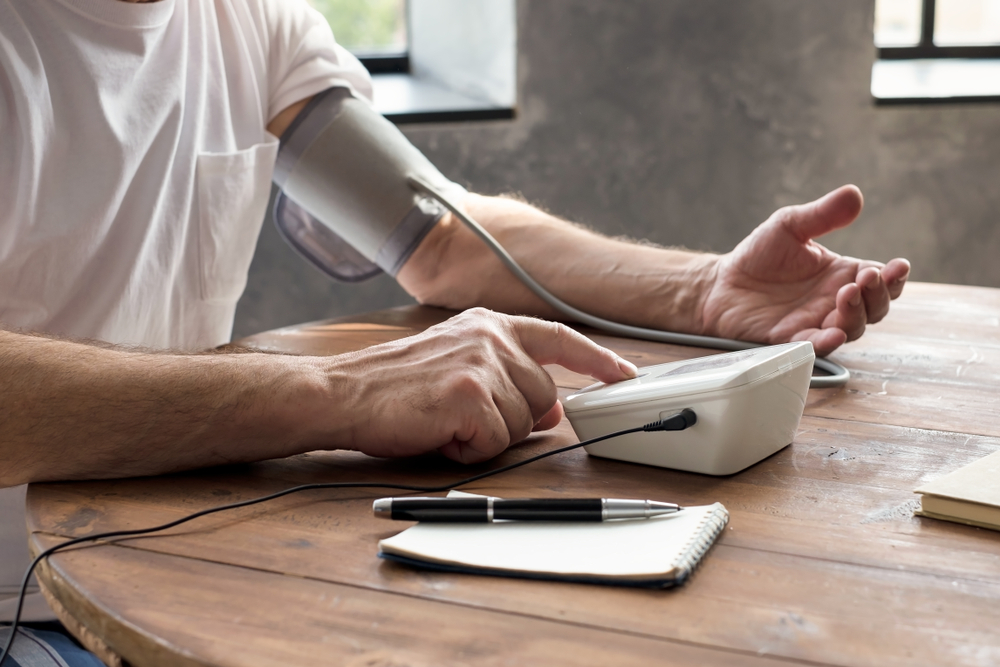
Monitoring your blood pressure regularly is one of the most effective ways to protect your cardiovascular health and detect early signs of potential complications. Home blood pressure tracking gives you control over your heart health by allowing you to notice sudden spikes or drops that might otherwise go unnoticed. This is especially important for individuals managing hypertension or at risk of developing heart disease.
Using a home blood pressure monitor not only helps you stay informed but also improves the accuracy of your medical evaluations, as it provides readings taken in a more relaxed, everyday environment. Knowing how and when to take your measurements at home can help you better understand patterns in your blood pressure and identify when it’s time to contact your physician.
In this article, we’ll guide you through the process of taking home blood pressure readings, the most reliable devices to use, and key tips to ensure your measurements are as accurate as possible. Take charge of your heart health today—schedule a consultation with one of the best cardiologists in Brooklyn Cardiology – Doral Health & Wellness NY to interpret your home readings and get personalized advice.
How Can You Measure Your Blood Pressure with a Home Monitor?
Monitoring your home blood pressure accurately is essential for managing hypertension and reducing the risk of cardiovascular issues. Many people use digital monitors at home, but using them the right way is key to getting reliable results. Here’s a step-by-step guide to help you take consistent and accurate home blood pressure readings:
Follow the instruction manual thoroughly: Every home blood pressure monitor may have slight variations in how it should be used. Be sure to read and follow the manufacturer’s instructions carefully. Proper cuff placement and positioning can significantly affect the accuracy of your results.
Place the arm cuff correctly above the elbow: Wrap the cuff snugly around your upper arm, approximately 2 cm above the elbow crease. This ensures that the home blood pressure monitor can detect the brachial artery accurately, leading to more precise readings.
Sit still and stay quiet during the reading: Movement, conversation, laughing, or even crossing your legs can lead to elevated readings. Sit upright in a chair, rest your arm at heart level on a table, keep your back supported, and keep your feet flat on the floor. For the most accurate home blood pressure measurement, try to relax for a few minutes before starting.
Take 2 to 3 readings with a short interval in between: Wait at least 1 to 2 minutes between each reading. This gives your blood vessels time to return to their resting state. If your first home blood pressure reading is higher than the others, don’t panic—it’s common. Disregard outliers and use the average of the last two readings for better accuracy.
Track and record your results consistently: Keep a log of your home blood pressure readings, including the date, time, and any relevant notes (like how you were feeling). You can use a dedicated app, spreadsheet, or simply write them down. This record will help your healthcare provider understand your home blood pressure trends and make better treatment decisions.
Using a home blood pressure monitor correctly helps you stay on top of your heart health and identify potential issues before they become serious. With practice and consistency, your readings will become an essential part of your health routine. For personalized guidance or if you have concerns about your results, consider speaking with a cardiologist in Brooklyn for expert support.
Tips for home blood pressure measurement
Here are some tips that help you measure your blood pressure at home, including:
- Measure your blood pressure in both arms when you start:This may give you slightly different readings but help you choose the arm that gives you the higher reading each time.
- Always use the same arm:After choosing the arm, avoid switching to another one. Even tell your doctor or nurse to use the same arm to measure your blood pressure.
- Take readings at the same time each day: Avoid taking the reading first thing in the morning but ensure that you take the reading at the same time of the day because your blood pressure can change throughout the day with different activities and not give you the right comparison with previous readings. So, you select a time to measure your blood pressure (like measuring your blood pressure before breakfast).
- Don’t round your measurements up and down:Record your readings as it is shown in the display because it could affect the treatment you’re
- Don’t worry about unexpectedly high readings:A one-off high reading is nothing you should worry about, rest for 5 minutes and then do the reading again. If it’s still high, measure it again another day. If it remains high for around 2 to 3 weeks, then visit your doctor.
- Don’t worry about slight changes: It’s normal to notice minor changes in your blood pressure.
- Avoid checking blood pressure too often:Some people may become worried or stressed about small changes in their readings, so they check blood pressure too often. But understand that worrying too much can also raise your blood pressure in the short term, which makes your reading higher than it should be.
- Don’t stop taking your medications if your blood pressure falls:Without consulting with your doctor you shouldn’t stop your medications, even if your blood pressure gets dropped to healthy levels according to your home monitor.
If you have doubts or concerns about your reading at home, then you should talk with your doctor or nurse to clear your doubts.
Monitoring blood pressure at home allows you to manage your blood pressure efficiently. It also helps you keep a record of the reading which helps to improve your treatment plan to manage your blood pressure. Over time your blood pressure can easily maintain healthy levels.
If you need help with blood pressure or heart problems, visit our cardiology clinic in Brooklyn to get professional medical help. Call us on +1(347) 384-5690. The Cardiologists at Doral Health & Wellness consistently have outstanding patient satisfaction ratings. The professionals at Heart Specialist Brooklyn can greatly improve their patient’s health and quality of life because of their vast training and experience. New Yorkers can get the greatest medical, surgical, and cardiovascular care at Doral Health & Wellness Brooklyn. Visit us at 1797 Pitkin Avenue, Brooklyn, NY 11212.