Unlike seasonal pollen, mold is a year-round allergen that can thrive both indoors and outdoors. For individuals with a mold allergy, inhaling microscopic mold spores triggers an immune system response, leading to persistent mold allergy symptoms. Finding effective mold allergy relief requires a dual approach– managing your symptoms and addressing the source of the mold. A focus on diligent mold allergy prevention and a clear plan for mold allergy treatment are fundamental to protecting your health and creating a safe home environment. This guide offers comprehensive information on identifying symptoms and taking control of mold in your home.
At Doral Health & Wellness, we are proud of our commitment to providing integrated, interdisciplinary health services to our community. Our expert physicians are dedicated to delivering trusted medical treatments and personalized guidance to help you manage complex allergy concerns with confidence. We invite you to connect with our innovative medical facility for comprehensive and supportive care.
Recognizing Common Mold Allergy Symptoms
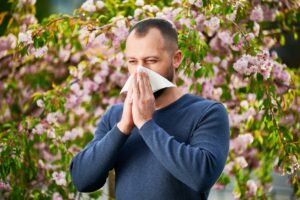
The symptoms of a mold allergy are similar to those of other respiratory allergies and can range from mild to severe. Because mold can be present year-round, these symptoms may be chronic rather than seasonal.
- Respiratory Symptoms – This is the most common presentation and includes persistent sneezing, a runny or stuffy nose, coughing, and postnasal drip.
- Eye and Throat Irritation – Itchy, watery eyes and an itchy nose, throat, or mouth are frequent complaints.
- Skin Reactions – In some individuals, a mold allergy can cause dry, scaly skin or a rash.
- Worsening of Asthma – For those with asthma and a mold allergy, exposure can trigger asthma attacks, characterized by wheezing, shortness of breath, and chest tightness.
Key Mold Allergy Prevention Strategies
The most effective strategy for managing a mold allergy is to minimize your exposure to mold spores. Mold thrives in damp, humid environments. Controlling moisture in your home is the most important step for mold allergy prevention.
Controlling Home Humidity
- Maintain Low Indoor Humidity – Keep the humidity level in your home below 50%. A dehumidifier can be very effective in damp areas like basements. An inexpensive device called a hygrometer can be used to measure your home’s humidity.
- Ensure Proper Ventilation – Use exhaust fans in bathrooms and kitchens to vent moisture to the outside. Make sure your clothes dryer vents outdoors.
- Fix Leaks Promptly – Check for and repair any leaks in your roof, walls, or plumbing. Pay close attention to areas under sinks and around windows.
Improving Air Quality
- Use High-Efficiency Filters – Use a high-efficiency particulate air (HEPA) filter in your central heating and air conditioning system to capture mold spores from the air.
- Promote Airflow – Open doors between rooms and use fans to increase air circulation, which can help prevent mold growth.
Consulting with the best allergy doctor can provide you with a personalized prevention plan based on your specific sensitivities and home environment.
Home Remediation for Mold Allergy Relief
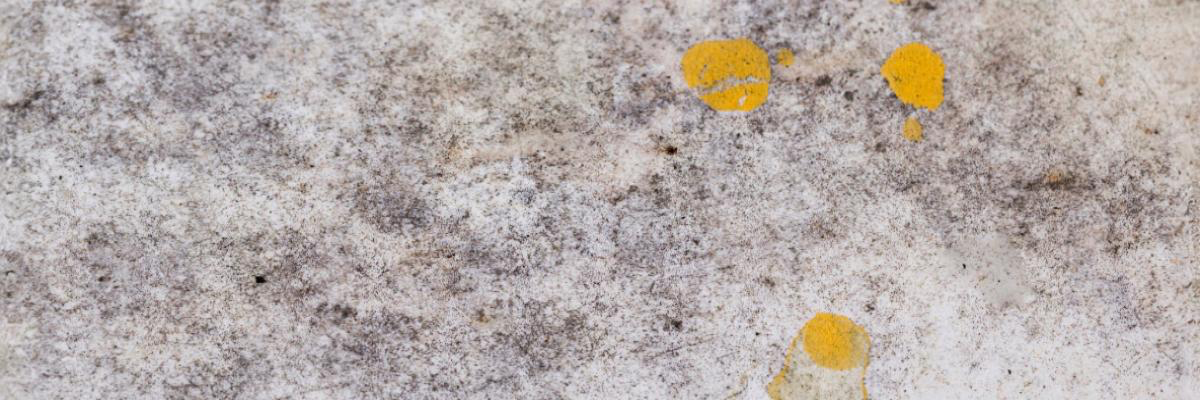
If you can see or smell mold, you need to address it. Small areas of mold can often be cleaned by homeowners, but large-scale contamination requires professional remediation.
Steps for Cleaning Small Mold Areas
- Identify and Fix the Moisture Source – Before you clean, you must fix the water problem that allowed the mold to grow. If you do not fix the leak, the mold will return.
- Wear Protective Gear – Protect yourself from inhaling spores by wearing an N95 respirator, gloves, and eye protection.
- Use Appropriate Cleaning Solutions – Scrub mold off hard surfaces with a mixture of water and detergent. For more stubborn mold, a solution of one cup of household bleach in one gallon of water can be used. Never mix bleach with ammonia or other household cleaners.
- Dry the Area Completely – After cleaning, ensure the area is thoroughly dried to prevent mold from growing back.
For mold contamination covering more than 10 square feet, or if mold is suspected in your HVAC system, it is crucial to call a professional mold remediation service. An experienced allergy doctor NY can advise you on when professional help is necessary for your health.
Mold Allergy Treatment Options
While prevention is key, medical treatment is often necessary to manage symptoms. Several effective options are available to provide both short-term and long-term mold allergy relief.
Over-the-Counter (OTC) and Prescription Medications
- Nasal Corticosteroids – These nasal sprays are a highly effective first-line mold allergy treatment for reducing inflammation and relieving nasal symptoms.
- Antihistamines – Oral antihistamines can help relieve itching, sneezing, and a runny nose.
- Decongestants – These can be used for short-term relief of nasal stuffiness.
- Nasal Saline Rinses – Rinsing your nasal passages with saline can help flush out mold spores and irritants.
When to See an Allergist
If your symptoms are not well-controlled with OTC medications, it is time to seek professional care. Finding the best allergy doctor near me is the first step toward a definitive diagnosis and advanced treatment.
- Allergy Testing – An allergist can perform tests to confirm a mold allergy and identify the specific types of mold you are allergic to.
- Immunotherapy (Allergy Shots) – For long-term relief, an allergist may recommend immunotherapy. This treatment involves regular injections of the allergen, which gradually desensitizes your immune system to it over time.
Your Partner in Allergy Management
A mold allergy can be a persistent and frustrating condition, but you can take control. A thorough approach that combines diligent mold allergy prevention at home with an effective mold allergy treatment plan is the key to lasting relief. By controlling moisture, improving air quality, and partnering with a medical professional, you can reduce your symptoms and improve your overall health.
For expert and compassionate allergy care in the East New York community, trust the specialists at Doral Health & Wellness. Our dedicated team provides advanced diagnostics and comprehensive services to accurately identify and manage your allergy triggers. To schedule a consultation with the best allergy doctor and create a personalized plan for relief, contact Doral Health & Wellnesstoday at 1-718-365-2555 or visit us at 1797 Pitkin Avenue, Brooklyn, New York 11212. For general information about Doral Health & Wellness services, you can contact or email info@doralhw.org.