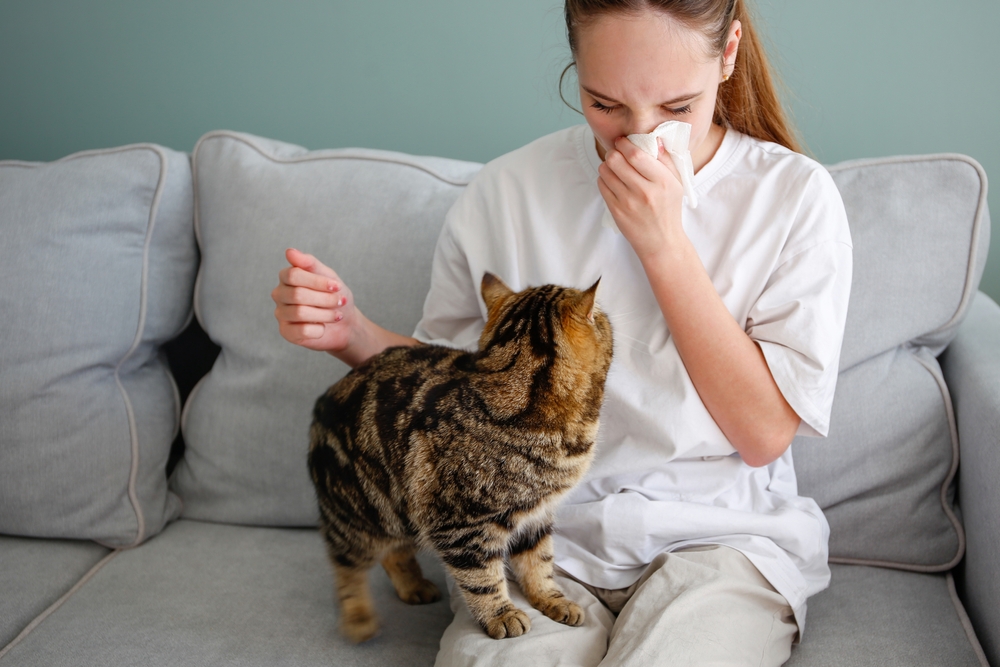
You love your furry friend, but lately, you can’t stop sneezing, your eyes are itchy, and you have a perpetually stuffy nose. You might blame their hair, but the real issue is likely something you can’t even see: pet dander. This invisible allergen is a common cause of persistent respiratory issues in homes with animals. Understanding pet dander allergy symptoms is the first step toward finding relief. With the right knowledge and an effective pet dander allergy treatment plan, you can manage your symptoms and continue to live happily with your beloved pets. At Doral Health & Wellness, we have all the answers you need.
What is pet dander?
Many people mistakenly believe that pet hair is the source of their allergies. The actual culprit is dander—tiny, microscopic flecks of skin shed by cats, dogs, rodents, and other animals with fur or feathers. These particles are incredibly light and can remain suspended in the air for long periods, eventually settling into furniture, carpets, and bedding.
The allergic reaction isn’t to the dander itself, but to specific proteins found in the dander, saliva, and urine of animals. When an allergic person inhales these particles, their immune system overreacts, triggering an inflammatory response. It’s important to note that there are no truly “hypoallergenic” breeds of dogs or cats, as every animal produces these proteins to some degree.
Common Pet Dander Allergy Symptoms
Pet dander allergy symptoms can vary from person to person, ranging from mild to severe. Because the dander is airborne and ever-present in a home with pets, these symptoms are often chronic rather than seasonal.
Respiratory Symptoms:
- Constant sneezing
- Runny or stuffy nose (allergic rhinitis)
- Itchy nose, throat, or roof of the mouth
- Postnasal drip
- Coughing, wheezing, or shortness of breath
Eye and Skin Symptoms:
- Itchy, red, or watery eyes (allergic conjunctivitis)
- Skin rashes or hives (atopic dermatitis)
For individuals with asthma, exposure to pet dander can be a serious trigger, leading to a severe asthma attack. If you experience these symptoms consistently, it may be time to consult an allergist.
Effective Pet Dander Allergy Treatment Options
Living with pet allergies doesn’t always mean you have to part with your companion. A multi-faceted approach combining environmental control and medical treatment can provide significant relief.
- Reduce Dander in Your Home
Minimizing your exposure to dander is the most crucial step.
- Create Pet-Free Zones: Designate certain areas, especially your bedroom, as pet-free zones to ensure you have an allergen-free space for sleeping.
- Invest in a HEPA Filter: Use high-efficiency particulate air (HEPA) purifiers in main living areas and your bedroom to capture airborne dander. Ensure your vacuum cleaner also has a HEPA filter.
- Wash Fabrics Frequently: Wash bedding, curtains, and pet beds in hot water at least once a week to kill dust mites and remove dander.
- Opt for Hard Surfaces: Replace carpets with hardwood, tile, or laminate flooring where possible, as carpets are major reservoirs for dander. Use washable area rugs instead.
- Groom Your Pet Regularly: Bathing your pet weekly can help reduce the level of dander they shed. Brushing them outside can also help remove loose fur and dander before it enters your home.
- Medical Treatments
When environmental controls aren’t enough, an allergist can recommend medical therapies to manage your symptoms.
- Antihistamines: Over-the-counter or prescription antihistamines can block the effects of histamine, relieving sneezing, itching, and a runny nose.
- Nasal Steroid Sprays: These sprays are highly effective at reducing nasal inflammation and are a first-line treatment for persistent symptoms.
- Immunotherapy (Allergy Shots): For those with severe or poorly controlled allergies, immunotherapy is a highly effective long-term solution. This treatment involves a series of injections containing tiny amounts of the allergen, which gradually “trains” your immune system to become less reactive.
When to See a Specialist
If you’re unsure whether your symptoms are caused by your pet or something else, or if over-the-counter medications aren’t providing adequate relief, it’s time to seek professional help. A specialist at a trusted immunology clinic in Brooklyn can perform tests to confirm your allergy.
A skin-prick test is a simple and quick procedure where a tiny amount of the pet allergen is placed on your skin. If a small, itchy bump develops, it indicates an allergy. Based on these results, the doctor can create a personalized and effective pet-dander allergy treatment plan for you.
Live Comfortably with Your Pets
Recognizing pet dander allergy symptoms is the first step toward finding a solution that allows you and your furry family members to coexist peacefully. By taking proactive steps to reduce dander in your environment and working with a specialist, you can significantly reduce your symptoms and improve your quality of life.
Don’t let allergies stand in the way of the joy a pet brings. If you’re struggling, schedule a consultation with an expert at an immunology clinic in Brooklyn to explore your options and breathe easier in your own home. Call us on + 1-718-367-2555 to book your appointment now to receive the best-in-class treatment that helps manage your allergies for a better life. Take action now, before it’s too late! If you need help, register your information at https://yuz88hfiyh7.typeform.com/Doralintake. Or visit us at 1797 Pitkin Avenue, Brooklyn, NY 11212.