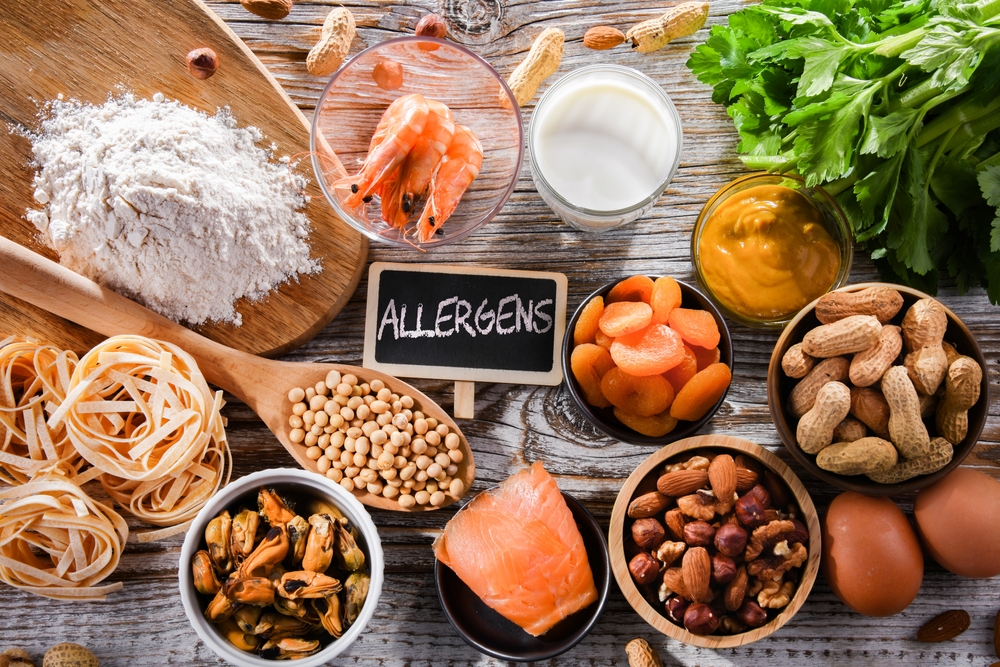
For decades, the primary approach to pediatric food allergies has been strict avoidance and emergency preparedness. For parents, this means constant vigilance, careful label reading, and carrying epinephrine auto-injectors everywhere. While these strategies are life-saving, they place a heavy burden on families. The landscape is changing, however. The future of new treatments for pediatric food allergies in 2025 and beyond offers more than just avoidance. Emerging therapies are providing hope by aiming to desensitize the immune system, reduce the risk of severe reactions, and improve the quality of life for millions of children. Let’s explore these exciting advancements. At Doral Health & Wellness, we have all the answers you need.
The Evolution from Avoidance to Active Treatment
For a long time, the advice from an allergist was simple: do not let your child eat their allergen. While effective, this creates a world of challenges, from navigating school lunches and birthday parties to the constant fear of accidental exposure. Researchers have been working tirelessly to find better options. This has led to a new era of proactive treatments designed to retrain the body’s immune response to allergens, moving from a defensive strategy to an offensive one. These new therapies are paving the way for a future where a simple mistake doesn’t automatically lead to a medical emergency.
New Treatments for Pediatric Food Allergies in 2025
The world of allergy treatment is on the verge of a major shift, with several promising therapies becoming more accessible. While strict avoidance is still a cornerstone of care, these new options offer a new layer of protection and hope.
Oral Immunotherapy (OIT)
Oral Immunotherapy is one of the most studied new treatments. The process involves giving a child a very small, controlled amount of their allergen (like peanut flour) to consume daily under medical supervision. The dose is gradually increased over several months until a maintenance level is reached.
- Goal: The primary goal of OIT is not to “cure” the allergy but to desensitize the child. This means they can tolerate a small, accidental exposure without having a severe reaction.
- Process: OIT must be started and supervised by a qualified allergist, often in a specialized clinical setting. The initial doses and any increases are done in the doctor’s office to monitor for reactions.
- Current Status: OIT for peanut allergy has been approved for several years, and protocols for other foods like milk, egg, and tree nuts are being used at specialized centers.
Epicutaneous Immunotherapy (EPIT)
Also known as the “peanut patch,” epicutaneous immunotherapy takes a different approach. Instead of ingesting the allergen, a patch containing a small amount of peanut protein is worn on the skin daily. The protein is absorbed through the skin, introducing it to the immune system in a non-threatening way.
- How it Works: The skin’s immune cells process the allergen differently than the gut’s, which can lead to desensitization with a lower risk of severe reactions compared to OIT.
- Benefits: Because the allergen is not ingested, EPIT has shown a favorable safety profile, with most side effects being mild skin reactions at the application site. An FDA-approved patch for peanut allergy is available for toddlers and young children.
Biologic Medications
Biologics are a class of drugs that target specific molecules or cells in the immune system involved in allergic reactions. One such drug, omalizumab, has recently gained attention for its use in food allergy.
- Mechanism: This medication blocks Immunoglobulin E (IgE), the antibody responsible for triggering allergic reactions. By reducing the amount of active IgE, the drug can help prevent reactions from occurring.
- Application: In early 2024, the FDA approved omalizumab for reducing allergic reactions, including anaphylaxis, that can occur with accidental exposure to one or more foods. It is intended for patients with multiple food allergies and is given as an injection every two to four weeks.
Navigating these new treatment options requires expert guidance. They are not a one-size-fits-all solution and come with their own risks and benefits. A board-certified allergist can determine if your child is a candidate for these therapies. They will conduct thorough testing, review your child’s medical history, and discuss which approach is most appropriate.
For families in New York, seeking care at a leading immunology clinic in Brooklyn ensures access to the latest advancements and experienced specialists. These centers are often at the forefront of allergy research and can provide comprehensive care plans tailored to your child’s specific needs.
The future of managing children’s food allergies is brighter than ever. With new treatments for pediatric food allergies in 2025 moving from research to reality, families have more tools than just avoidance. Therapies like OIT, EPIT, and biologic drugs are changing the conversation from “if” a reaction happens to “how” we can prevent it and reduce its severity. These treatments can significantly decrease the daily anxiety associated with food allergies and offer a new level of freedom.
If your child has a food allergy, speak with your doctor or a specialist about these advancements. Visiting an immunology clinic in Brooklyn or a similar expert center can provide you with the information and support needed to explore these life-changing options. Call us on + 1-718-367-2555 to book your appointment now to receive the best-in-class treatment that helps manage your allergies for a better life. Take action now, before it’s too late! If you need help, register your information at https://yuz88hfiyh7.typeform.com/Doralintake. Or visit us at 1797 Pitkin Avenue, Brooklyn, NY 11212.