
When seasonal allergies strike, many of us are quick to blame pollen and outdoor irritants. However, what you eat can play a significant role in how your body responds to these allergens. Understanding how dietary changes can impact allergy severity is a powerful step toward managing your symptoms from the inside out. Shifting your focus to an anti-inflammatory diet for allergies may help calm your body’s overactive immune response. Exploring the link between your diet and seasonal allergies opens up new strategies for finding relief beyond just medication, putting you in greater control of your well-being. At Doral Health & Wellness, we have all the answers you need.
The Link Between Inflammation, Diet, and Allergies
Allergic reactions are essentially an inflammatory response. When your body encounters an allergen like pollen, it releases histamine and other chemicals that cause inflammation, leading to symptoms like sneezing, congestion, and itchy eyes. While you can’t always avoid allergens, you can influence your body’s baseline level of inflammation through your diet.
Certain foods can promote inflammation, potentially making your allergic reactions more severe. These often include processed foods, sugary drinks, and foods high in saturated and trans fats. Conversely, an anti-inflammatory diet, rich in whole foods, can help regulate the immune system and may lessen the intensity of your allergy symptoms. The goal is to create an internal environment that is less prone to overreacting.
Adopting an Anti-Inflammatory Diet for Allergies
So, what does an anti-inflammatory diet for allergies look like? It’s not about restrictive rules but rather about incorporating more whole, nutrient-dense foods that fight inflammation.
Foods to Embrace
Focus on adding these foods to your daily meals to help manage your body’s response to seasonal allergies:
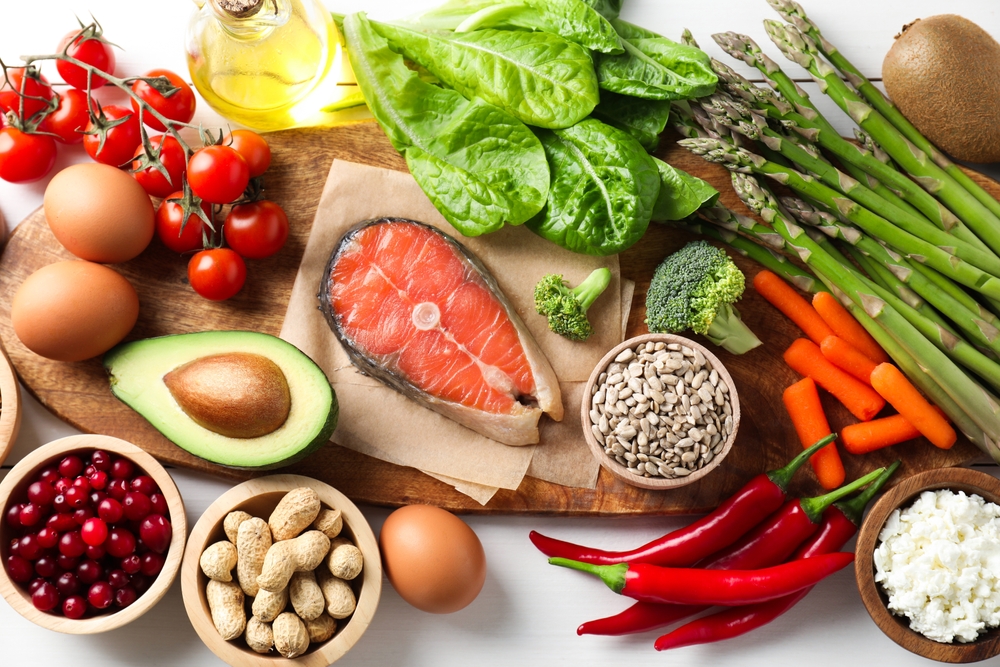
- Fatty Fish: Salmon, mackerel, and sardines are rich in omega-3 fatty acids, which are potent anti-inflammatory agents.
- Leafy Greens: Spinach, kale, and collard greens are packed with antioxidants and vitamins that support immune health.
- Berries and Cherries: These fruits are high in antioxidants and flavonoids, like quercetin, which can act as a natural antihistamine.
- Nuts and Seeds: Walnuts, flaxseeds, and chia seeds provide another excellent source of plant-based omega-3s.
- Turmeric and Ginger: These spices contain powerful anti-inflammatory compounds. Curcumin in turmeric is particularly well-studied for its ability to reduce inflammation.
- Onions and Garlic: Both are rich in quercetin and other compounds that can help stabilize mast cells, which are responsible for releasing histamine during an allergic reaction.
Foods to Limit
While no food is strictly “bad,” reducing your intake of certain items can make a difference, especially during peak allergy season.
- Processed Foods: Items high in sugar, refined carbohydrates, and unhealthy fats can contribute to systemic inflammation.
- Fried Foods: Cooking at high temperatures can create advanced glycation end products (AGEs), which are pro-inflammatory.
- Sugary Beverages: Sodas and sweetened juices can spike inflammation.
- Histamine-Rich Foods: Some people find that certain foods high in histamine, like aged cheeses, fermented foods, and processed meats, can worsen their symptoms. This connection varies from person to person.
The Role of Diet and Seasonal Allergies: Practical Tips
Making dietary changes can feel overwhelming, but small, consistent steps can lead to significant improvements.
- Start with Swaps: Replace a sugary cereal with oatmeal and berries. Swap a bag of chips for a handful of walnuts.
- Hydrate Wisely: Drink plenty of water throughout the day. Herbal teas, like ginger or peppermint tea, can also be soothing and hydrating.
- Plan Your Meals: A little planning can help you avoid reaching for convenient, processed options when you’re hungry.
- Listen to Your Body: Pay attention to how you feel after eating certain foods. You might notice specific triggers that worsen your symptoms.
When to Seek Professional Guidance
While adjusting your diet can be a powerful tool, it’s not always a complete solution. If your allergies are severe, persistent, or significantly impacting your daily life, it is crucial to consult a specialist. An allergist is a physician specifically trained to diagnose and treat allergies. They can perform tests to identify your exact triggers and recommend a comprehensive treatment plan, which may include targeted medications or immunotherapy (allergy shots).
In more complex situations, your doctor might also suggest a consultation with an immunologist. This expert focuses on the intricate workings of the immune system and can provide deeper insights, especially if your symptoms are unusual or don’t respond to standard treatments. Working with an allergist or immunologist ensures you receive a personalized and effective approach to managing your health.
Understanding how dietary changes can impact allergy severity empowers you to take a more holistic approach to your health. By adopting an anti-inflammatory diet for allergies, you can help support your immune system and potentially reduce the intensity of your symptoms. This focus on your diet and seasonal allergies complements traditional treatments and offers a sustainable, long-term strategy for feeling your best. If your symptoms persist, don’t hesitate to partner with an allergist to create a tailored plan that addresses all aspects of your condition. Call us on + 1-718-367-2555 to book your appointment now to receive best-in-class treatment that helps prevent or manage your allergies for a better life. Take action now, before it’s too late! If you need help, register your information at https://yuz88hfiyh7.typeform.com/Doralintake. Or visit us at 1797 Pitkin Avenue, Brooklyn, NY 11212.