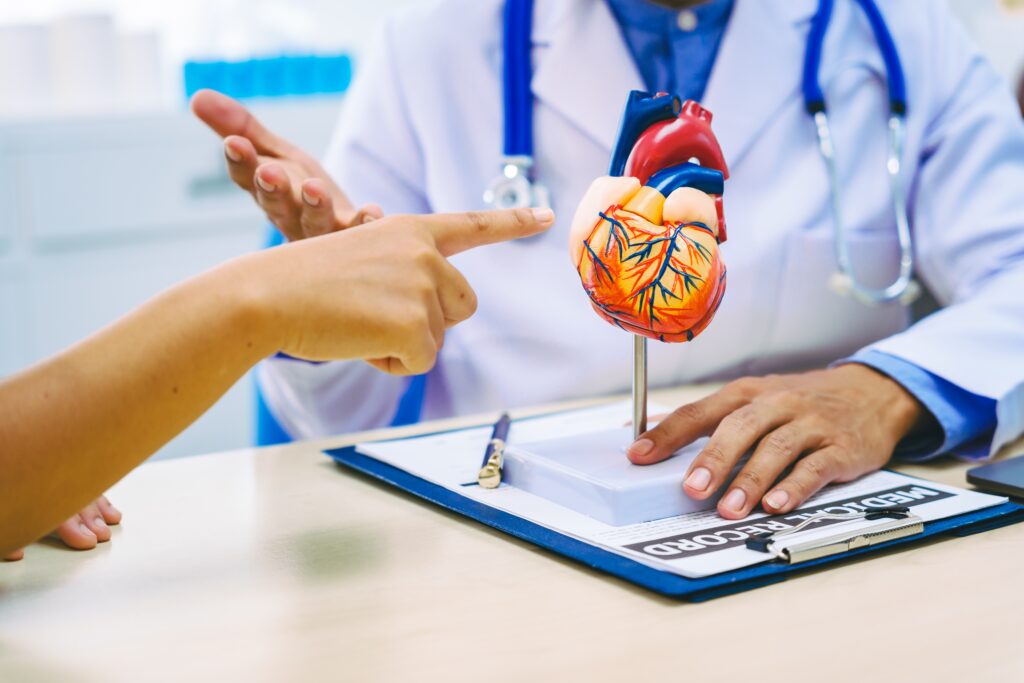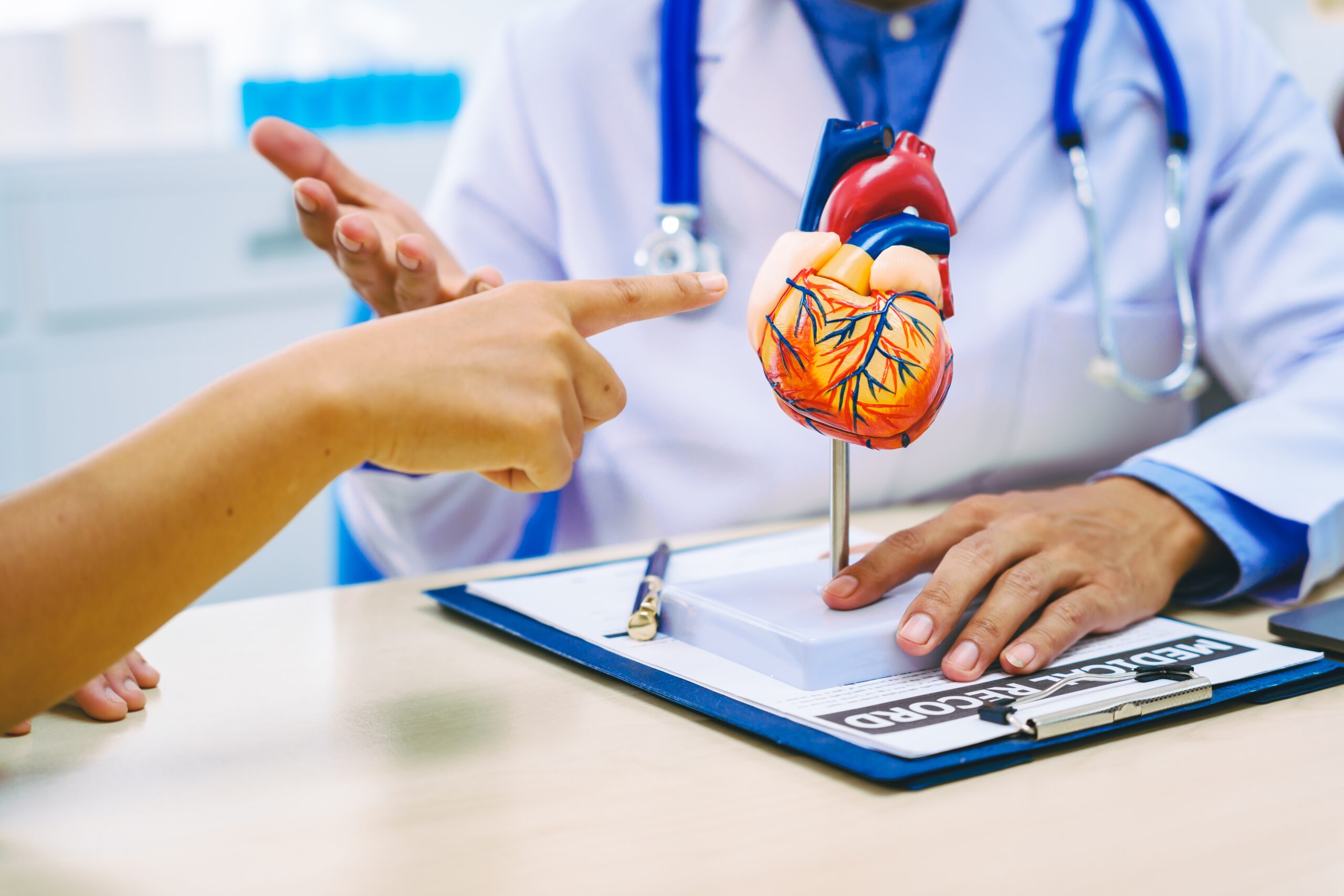
Recognizing the early signs of a heart valve issue is essential for protecting your long-term heart health. Symptoms like persistent fatigue, shortness of breath during mild activities, irregular heartbeats or palpitations, unexplained chest discomfort, and swelling in the legs or ankles could all be subtle but important indicators of heart valve dysfunction. Often, these signs are overlooked or attributed to aging or stress, but they may point to underlying valve narrowing or leakage that could worsen over time.
Listening to your body and seeking medical evaluation early can help detect heart valve problems before they become severe. Simple diagnostic tools such as a stethoscope exam or an echocardiogram can reveal whether a heart valve isn’t functioning properly. Addressing these issues promptly not only prevents complications like heart failure or stroke, but also increases your chances of successful treatment with medication or minimally invasive procedures.
If you or a loved one experience any of these warning signs, don’t delay—talk to a cardiologist to ensure your heart valve health is intact and your heart keeps working efficiently for years to come.
Early signs of heart valve dysfunction
Heart valve dysfunction can progress quietly and unpredictably, making it critical to understand its early warning signs—even if they seem minor or are easily dismissed. For some individuals, symptoms may be subtle or even completely absent in the early stages. Others may notice changes that seem unrelated to heart health, which is why these early signs often go unrecognized until the condition becomes more advanced.
One of the first red flags is often persistent tiredness or overwhelming fatigue, especially after activities that never used to be exhausting. This happens because the heart is no longer pumping blood efficiently through the body, forcing it to work harder to meet the body’s oxygen needs.
Heart palpitations—a feeling that the heart is skipping beats, fluttering, or pounding—may also develop early on. These sensations can be sporadic or constant and are often more noticeable when lying down or during moments of stress or exertion.
As the dysfunction worsens, chest discomfort or tightness can emerge, particularly during activity or emotional stress. In some cases, this is mistaken for indigestion or anxiety, which delays diagnosis and treatment.
Another symptom that shouldn’t be overlooked is swelling, particularly in the feet, ankles, legs, or abdomen. This occurs due to fluid buildup when the heart struggles to circulate blood effectively. You may also observe unexpected or rapid weight gain tied to this fluid retention.
Shortness of breath, especially during simple tasks like climbing stairs or walking short distances, is another early indicator. It may initially present only during exertion but can later occur even while resting or lying flat.
In more advanced cases, dizziness or fainting episodes might appear due to decreased blood flow to the brain, signaling that the heart is under serious strain.
Because symptoms can develop slowly and be mistaken for signs of aging, stress, or other non-cardiac conditions, it’s crucial to stay alert. If you notice more than one of these signs—or if symptoms gradually intensify—seeking evaluation from a cardiologist can help detect heart valve issues early, when they are easier to manage and treat.
Types of heart valve disease
Different types of heart valve disease can occur, which are based on which heart valve is affected, or if it is more It’s important to understand that while certain forms of heart valve disease—particularly those you are born with, known as congenital heart valve defects—cannot be prevented, many risk factors contributing to valve damage over time are within your control. Although aging and genetic predispositions are natural factors beyond your influence, adopting a heart-healthy lifestyle can dramatically lower your chances of developing complications related to heart valve disease and improve your overall cardiovascular well-being.
1. Prompt and Appropriate Treatment of Infections
One critical way to protect your heart valves is to prevent and promptly treat infections. When bacteria enter the bloodstream, often through untreated dental infections, skin wounds, or invasive medical procedures, they can settle on your heart valves and cause infective endocarditis, a potentially life-threatening inflammation that damages valve tissue. If you experience symptoms like persistent fever, unexplained fatigue, chills, or night sweats after an infection, it is essential to seek immediate medical evaluation. Preventive measures include maintaining excellent oral hygiene and, if advised by your healthcare provider, taking prophylactic antibiotics before certain dental or surgical procedures to reduce infection risk.
2. Maintain Regular Physical Activity for Heart Valve Strength
Staying physically active is one of the best ways to support your cardiovascular system, including your heart valves. Engaging in regular exercise enhances blood circulation, improves the strength and efficiency of your heart muscle, and helps regulate critical health markers such as blood pressure, cholesterol levels, and body weight—all key contributors to heart valve function. You don’t have to commit to intense workouts; activities like brisk walking, cycling, swimming, or even dancing for at least 30 minutes most days of the week provide significant benefits. Consistency is key to ensuring your valves and heart remain as healthy as possible.
3. Commit to a Heart-Healthy, Nutrient-Rich Diet
Your dietary choices have a direct impact on your heart valve health. Emphasize a diet abundant in fresh fruits and vegetables, whole grains, lean proteins such as fish and poultry, and healthy fats like those found in nuts, seeds, and fatty fish rich in omega-3 fatty acids. These foods help maintain clear arteries, reduce inflammation, and support optimal heart function. Limiting intake of processed foods, excess salt, refined sugars, and saturated fats reduces plaque buildup in your arteries, easing the workload on your heart valves. Adopting such a diet can slow the progression of valve disease and improve overall cardiovascular resilience.
4. Achieve and Maintain a Healthy Weight
Excess body weight puts considerable strain on your heart and valves. It increases the workload your heart must perform and can accelerate valve deterioration, especially in the presence of other health conditions like diabetes, hypertension, or high cholesterol. Even a modest weight loss—between 5% and 10% of your body weight—can lead to significant improvements in heart function and reduce strain on your valves. Working with a healthcare professional or nutritionist can help you set realistic weight management goals tailored to your needs.
5. Diligent Management of Blood Pressure and Cholesterol
High blood pressure is a major risk factor that forces your heart to pump harder, increasing stress on the valves and potentially causing damage over time. Similarly, elevated cholesterol levels can lead to atherosclerosis, a buildup of fatty plaques in the arteries that restricts blood flow and places further strain on your heart and valves. Consistent management of these conditions is crucial. If prescribed medication for hypertension or high cholesterol, adherence to your treatment plan is vital. Regular medical check-ups and blood tests will help monitor your progress and allow your doctor to adjust therapies as needed.
6. Avoid Tobacco Products and Illicit Drug Use
Smoking cigarettes not only causes widespread damage to your blood vessels and lungs but also raises your risk for heart valve problems by promoting inflammation, raising blood pressure, and impairing circulation. Additionally, intravenous (IV) drug use can introduce harmful bacteria directly into your bloodstream, greatly increasing the likelihood of valve infections and serious heart complications. Quitting tobacco and abstaining from recreational drug use are some of the most powerful steps you can take to safeguard your heart valve health. Support programs, counseling, and medical therapies are available to assist with cessation and should be pursued if needed.
Prevention
While it’s true that not all forms of heart valve disease can be prevented—especially those that are congenital (present from birth)—there is still much you can do to protect your heart health and reduce your overall risk of developing complications. Factors like aging and genetics may be out of your control, but lifestyle choices play a critical role in keeping your valves and cardiovascular system functioning optimally.
1. Prompt Treatment of Infections
Infections, particularly those caused by bacteria entering the bloodstream (like from untreated dental issues or skin wounds), can lead to infective endocarditis, a serious condition that damages the heart valves. If you experience persistent fever, fatigue, or unexplained symptoms after an infection, seek medical attention quickly. Taking antibiotics exactly as prescribed when needed is essential, especially before medical or dental procedures if your doctor recommends it.
2. Stay Physically Active
Regular physical activity improves circulation, strengthens the heart muscle, and helps manage blood pressure, cholesterol, and weight—all of which are directly linked to the progression of valve disease. You don’t need to engage in high-intensity workouts; even brisk walking, swimming, or cycling for at least 30 minutes most days of the week can make a meaningful difference in your heart valve health.
3. Adopt a Heart-Healthy Diet
A diet rich in fruits, vegetables, whole grains, lean proteins, and healthy fats like omega-3s helps keep your arteries clear and supports overall heart function. Limiting processed foods, sodium, added sugars, and saturated fats can prevent plaque buildup that increases the heart’s workload—something especially important when valves are already under stress.
4. Maintain a Healthy Body Weight
Carrying excess weight places added pressure on your heart and may accelerate valve deterioration, especially if you have underlying conditions like diabetes or hypertension. Losing even a modest amount of weight (5–10% of your total body weight) can reduce your risk significantly and improve heart efficiency.
5. Manage High Blood Pressure and Cholesterol
High blood pressure forces the heart to work harder, which can strain or damage the heart valves over time. Similarly, elevated cholesterol levels can contribute to atherosclerosis, which may impair blood flow and indirectly worsen valve function. If you’ve been prescribed medications for either condition, take them consistently and follow up with your provider for regular check-ups and lab monitoring.
6. Avoid Tobacco and Recreational Drugs
Tobacco use not only damages blood vessels and raises blood pressure, but it also increases your risk for infections and heart disease in general. Likewise, the use of intravenous (IV) drugs can introduce harmful bacteria into the bloodstream, leading to serious valve infections. Quitting smoking and avoiding recreational drug use are two of the most effective ways to support your heart valve health long term.
When to call 911?
You should call 911 or the local emergency number if you experience any of these symptoms after heart valve surgery:
- Fainting
- Fever or chills
- Upset stomach or diarrhea
- Chest pain
- Severe headache, arm or leg weakness, or numbness without any reason
- Heart rate of more than 150 beats a minute
- There’s blood when you cough
- Dark black stool or bright red blood in the stool
- Shortness of breath that doesn’t improve with rest
Heart valve diseases are quite common; that’s why you must let your doctor know if you’re experiencing unexplained fatigue, heart palpitations, or are out of breath in your daily routine. If you have a family history of congenital heart valve disease, your doctor may recommend regular cardiac checkups. While you can’t prevent all types of heart valve diseases, some of them can be prevented by following the above-mentioned tips. Make sure you take the necessary action to keep your heart healthy to prevent this disease.
Need help with heart problems? Visit our cardiology clinic in Brooklyn to get professional medical help to get the best treatment, along with tips to keep your heart healthy. For any cardiovascular problems, call us on +1-718-367-2555. The Cardiologists at Doral Health & Wellness consistently have outstanding patient satisfaction ratings. The professionals at Doral Health & Wellness Cardiology Brooklyn can improve your health and quality of life because of their vast training and experience. New Yorkers can get the greatest medical, surgical, and cardiovascular care at Doral Health & Wellness Brooklyn. Visit us at 1797 Pitkin Avenue, Brooklyn, NY 11212.