An abdominal aortic aneurysm (AAA) is a bulge or swelling in the aorta, the main blood vessel that runs from your heart down through your chest and abdomen. This condition requires careful monitoring, as a growing aneurysm can be dangerous. Understanding the symptoms, causes, and treatment for an abdominal aortic aneurysm is the first step toward managing your health effectively. This guide on Abdominal Aortic Aneurysm will help you learn everything you need to know. Get a consultation with the best cardiologists in Brooklyn.
What is an Abdominal Aortic Aneurysm?
The aorta is the largest artery in your body. It carries oxygen-rich blood from your heart to the rest of your body. An abdominal aortic aneurysm occurs when a section of the aorta passing through the abdomen weakens and expands.
These aneurysms often grow slowly and without any noticeable signs, which makes them difficult to detect. Many are found incidentally during medical imaging for other conditions. The risk increases if the aneurysm grows large, as it puts pressure on the aortic wall, potentially leading to a rupture.
Symptoms
While many AAAs are asymptomatic, some people may experience specific signs as the aneurysm enlarges. Being aware of these potential warnings is key to seeking timely medical help.
Common abdominal aortic aneurysm symptoms include:
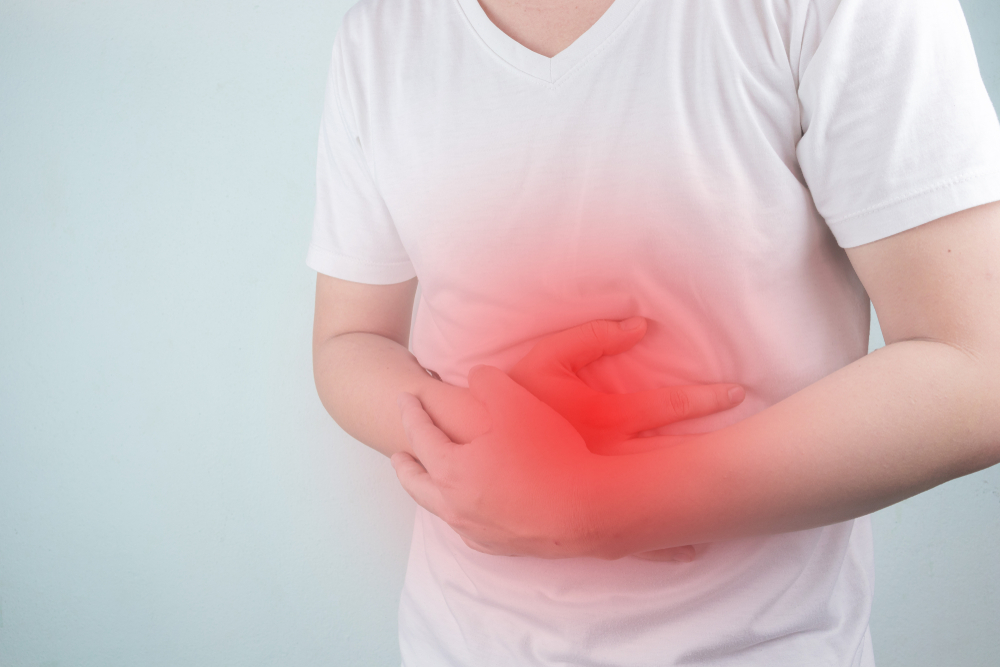
- A deep, persistent pain in your abdomen or on the side of your stomach.
- A nagging backache that doesn’t go away.
- A pulsing sensation near your belly button, similar to a heartbeat.
If an aneurysm ruptures, the symptoms are sudden and severe. Seek immediate emergency medical attention if you experience any of the following:
- Sudden, intense, and persistent abdominal or back pain, which may feel like a tearing sensation.
- Low blood pressure (hypotension).
- A fast pulse.
- Dizziness or fainting.
Causes and Risk Factors
The exact reason an abdominal aortic aneurysm develops isn’t always clear, but several factors can weaken the aortic wall and contribute to its formation.
Primary Causes
- Atherosclerosis: This is the hardening and narrowing of the arteries due to the buildup of plaque (fat, cholesterol, and other substances). It’s one of the most common abdominal aortic aneurysms.
- High Blood Pressure: Also known as hypertension, chronically high blood pressure that can damage and weaken the aorta’s walls.
- Blood Vessel Diseases: Conditions that cause inflammation in the blood vessels, such as vasculitis, can contribute to aneurysm development.
- Aortic Infection: In rare cases, a bacterial or fungal infection can weaken a section of the aortic wall, leading to an aneurysm.
- Trauma: A severe injury, such as a car accident, can cause damage that results in an AAA.
Key Risk Factors
Certain lifestyle and genetic factors increase your risk of developing an AAA.
- Tobacco Use: Smoking is the most significant risk factor. It directly damages the aortic walls and increases the risk of both developing and rupturing an aneurysm.
- Age: The condition is most common in individuals over the age of 65.
- Sex: Men are significantly more likely to develop AAAs than women.
- Family History: Having a close relative with a history of an abdominal aortic aneurysm raises your personal risk.
- Race: White individuals have a higher prevalence of AAAs.
Treatment
Abdominal aortic aneurysm treatment depends on its size, growth rate, and your overall health. Your healthcare provider may refer you to a cardiologist or vascular surgeon for proper treatment.
Monitoring and Medical Therapy
For small aneurysms (typically less than 5.5 centimeters, or about 2 inches), your doctor will likely recommend a “watchful waiting” approach. This involves regular imaging tests (like an ultrasound or CT scan) to monitor the aneurysm’s size and growth rate.
During this time, your doctor may also prescribe medications to manage related conditions:
- Blood pressure medications are used to lower the pressure on the aortic wall.
- Statins are used to manage cholesterol and slow the progression of atherosclerosis.
Surgical Intervention
If the aneurysm is large, growing quickly, or causing symptoms, surgery may be necessary to prevent a rupture.
- Open Abdominal Surgery: This traditional method involves a surgeon making an incision in the abdomen to remove the damaged section of the aorta and replace it with a synthetic tube (graft).
- Endovascular Aneurysm Repair (EVAR): This is a less invasive procedure. A surgeon uses a catheter through an artery in the groin up to the aorta. A stent graft is then placed inside the aneurysm to reinforce the weakened aortic wall and allow blood to flow through it without putting pressure on the bulge.
Take Control of Your Heart Health
An abdominal aortic aneurysm is a serious condition, but with proper medical oversight, it can be managed effectively. Understanding the risks and recognizing the symptoms is vital for early diagnosis and treatment. If you have risk factors or are experiencing potential symptoms, consulting with a healthcare provider is essential.
Our expert cardiology team is here to support your heart health through prevention, diagnosis, and advanced treatment. Schedule a consultation to discuss your concerns and create a personalized plan for your cardiovascular wellness. The expert cardiologists at Doral Health & Wellness are dedicated to providing compassionate and comprehensive care for a full range of heart and blood vessel conditions. We are here to support you with advanced diagnostics and personalized treatment plans. For any cardiovascular problems, call us on +1 718 367 2555. The Cardiologists at Doral Health & Wellness consistently have outstanding patient satisfaction ratings. The professionals at Doral Health & Wellness Cardiology Brooklyn can improve your health and quality of life because of their vast training and experience. New Yorkers can get the greatest medical, surgical, and cardiovascular care at Doral Health & Wellness Brooklyn. Visit us at 1797 Pitkin Avenue, Brooklyn, NY 11212.