Did you know that around 100,000 people every year get diagnosed with primary hyperparathyroidism? It means 1 to 7 cases per 1000 adults. The parathyroid disease is very common, and its risk increases with age. If not treated on time, it can lead to coma or even death. Learn what parathyroid disease is, its types, and symptoms in this article. Log on to www.doralhw.org for a consultation.
Anatomy of the parathyroid gland
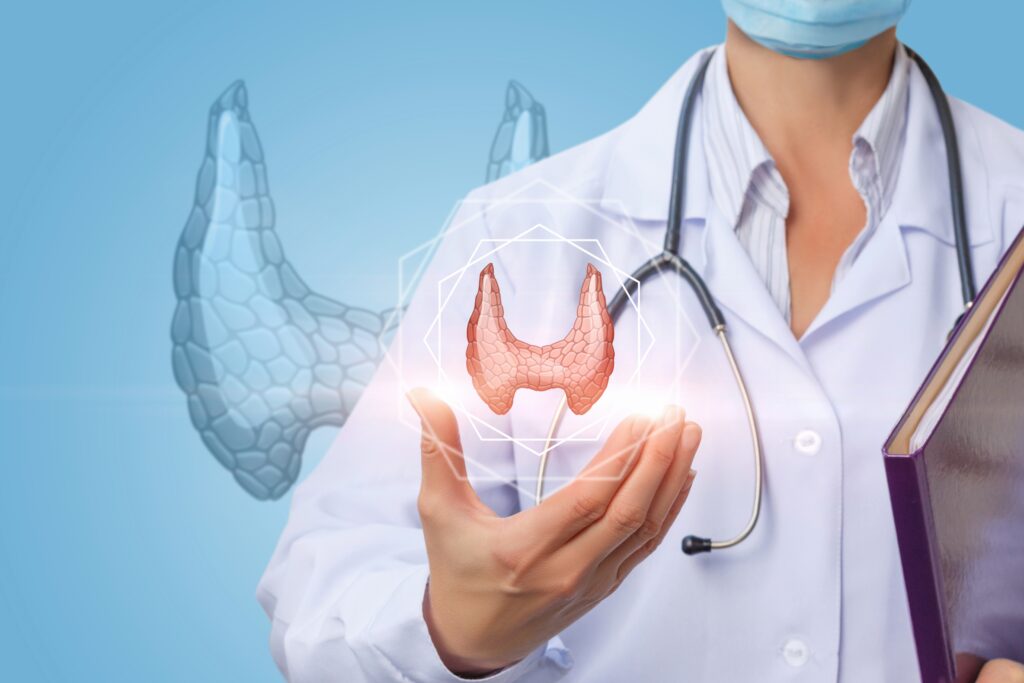
The parathyroid gland is a part of the endocrine system that produces hormones to stimulate important bodily functions. Most people have 4 parathyroid glands behind the thyroid gland (the butterfly-shaped gland in your neck) that look like tiny peas. They produce parathyroid hormone (PTH), which is responsible for managing blood calcium levels. Usually, 2 parathyroid glands are located within each “wing” of your thyroid.
In some cases, parathyroid glands are located along with the esophagus in your neck or your chest (in the mediastinum, specifically). This placement of the parathyroid gland is called ectopic (in an abnormal place) parathyroid glands by doctors. Around 16% of people have this. This is generally not a concern unless one or more of them are releasing too much PTH, which requires surgical removal. Your healthcare provider may have difficulty finding them first.
Functions of the Parathyroid Glands and Their Role in Parathyroid Disease
The parathyroid glands play a crucial role in maintaining your body’s calcium balance by producing parathyroid hormone (PTH) and releasing calcitonin, another important hormone that works in conjunction with PTH. These hormones tightly regulate calcium levels in your bloodstream, ensuring they remain within a healthy range. When calcium levels are either too high or too low, it can lead to significant health problems, often linked to conditions such as parathyroid disease.
Calcium itself is an essential mineral for your body’s overall functioning. Approximately 99% of the calcium in your body is stored in your bones and teeth, providing structural strength and stability. The remaining 1% circulates in your bloodstream to support vital physiological processes. Maintaining proper calcium levels is critical, and this is where the parathyroid glands have an indispensable role.
The key functions of calcium regulated by the parathyroid glands include:
- Supporting Nervous System Function: Calcium is essential for transmitting nerve signals effectively. It ensures that your nervous system communicates smoothly, which is fundamental for sensation and motor functions.
- Muscle Contraction: Calcium enables muscles to contract and relax properly. Without adequate calcium regulation, muscle weakness or spasms can occur, which are symptoms sometimes seen in parathyroid disease.
- Blood Clotting: Calcium plays a vital role in the coagulation process, helping your blood clot to prevent excessive bleeding after injuries.
- Heart Function: Proper calcium levels ensure that your heart muscles contract regularly and maintain a steady heartbeat, which is crucial for overall cardiovascular health.
- Vitamin D Production and Calcium Retention: The parathyroid hormone signals your kidneys to produce active vitamin D, which helps retain calcium in the body by reducing calcium loss through urine. This process is vital in preventing calcium deficiency.
- Calcium Absorption: PTH also signals your small intestine to absorb more calcium from the foods you eat, ensuring that your body gets the calcium it needs to support critical functions.
In the context of parathyroid disease, these regulatory mechanisms can become disrupted, leading to either excessive or insufficient calcium levels. This imbalance can manifest in various symptoms and complications, emphasizing the importance of healthy parathyroid gland function for maintaining calcium homeostasis and overall well-being.
Hormone Function and Its Role in Parathyroid Disease
Parathyroid hormone (PTH) is a vital hormone produced by the parathyroid glands, whose primary function is to regulate calcium levels in your bloodstream. Calcium is an essential mineral that plays a fundamental role in numerous bodily functions, including nerve transmission, muscle contraction, and maintaining a healthy heartbeat. In addition to managing calcium, PTH also helps control phosphorus and vitamin D levels in your blood and bones, ensuring your skeletal system remains strong and balanced.
Hormones are chemical messengers that coordinate communication between the nervous system and various organs, directing them to perform specific tasks that maintain your body’s overall health. Parathyroid hormone operates similarly by maintaining the delicate balance of calcium necessary for your body’s normal function.
Your body regulates PTH production through a sophisticated feedback mechanism known as the calcium-sensing feedback loop. When blood calcium levels drop below the normal range, this feedback loop triggers the parathyroid glands to increase the secretion of PTH. This hormone then acts to raise calcium levels by promoting calcium release from bones, increasing calcium absorption in the intestines via vitamin D activation, and reducing calcium loss through the kidneys.
Conversely, when blood calcium levels rise too high, the feedback system signals the parathyroid glands to reduce or stop PTH production, preventing excessive calcium accumulation. This finely tuned balance is critical to avoid complications.
However, in individuals with parathyroid disease, this feedback loop malfunctions. The parathyroid glands may produce excessive amounts of PTH, a condition often referred to as hyperparathyroidism, or insufficient PTH in cases of hypoparathyroidism. Such imbalances can disrupt calcium homeostasis, leading to a variety of symptoms and health issues. For example, excess PTH can cause high blood calcium levels, leading to weakened bones, kidney stones, and neurological problems. On the other hand, too little PTH results in low calcium levels, which can cause muscle cramps, tingling, and even seizures.
Understanding the role of parathyroid hormone in parathyroid disease is essential for timely diagnosis and effective treatment. Maintaining the proper function of these glands helps safeguard your body’s calcium balance and overall health.
Disorders
When parathyroid hormone goes off balance due to certain conditions that impact parathyroid glands is called parathyroid disease. It has several types, including:
- Hyperparathyroidism:
This occurs when parathyroid glands start producing too much PTH in your blood, which increases the calcium levels in your blood. It also steals calcium from bones and teeth and puts the kidneys under pressure to remove too much calcium from the body. This leads to bone and organ damage. Around 50% of hyperparathyroidism patients have kidney stones. Sometimes, it is caused by a small tumor, chronic kidney disease, or due to certain medications like anticonvulsant drugs.
- Hypoparathyroidism:
It is a rare condition that occurs when you have low levels of parathyroid hormone in the blood. This can lead to low calcium and high phosphorus. This impacts nerve and muscle cells, which are not able to work properly. Around 75% of hypoparathyroidism cases occur due to accidental damage to your parathyroid glands from neck or thyroid surgery. Other causes include magnesium deficiency, genetic and autoimmune conditions, or a congenital absence of parathyroid glands.
- Hypercalcemia:
When there’s too much calcium in your blood, it is called hypercalcemia, which can lead to organ failure, coma, or even death if not treated in time. Doctors call this primary hyperparathyroidism, which occurs when something directly impacts the parathyroid glands. Mostly, it is discovered at an early stage when people don’t have symptoms.
- Hypocalcemia:
This occurs when you have too little calcium in your blood, which can lead to seizures or severe muscle spasms. It progresses gradually, causing mild symptoms at first.
- Parathyroid adenoma:
This occurs when a benign (noncancerous) growth happens on one or more of your parathyroid glands. This is the most common cause of hypercalcemia.
- Parathyroid cancer:
It also causes hypercalcemia, however, it is very rare. Only 0.005% of all cancers and 0.5% to 1% of all parathyroid conditions.
- Multiple endocrine neoplasia 1:
Parathyroid glands and other glands, including the pituitary, pancreas, adrenal, and thyroid, are a part of the endocrine system. When tumors occur on at least two of these glands, it is called multiple endocrine neoplasia 1 (MEN1). It is an inherited condition whose symptoms depend on the glands being affected.
Symptoms of parathyroid disease
You may not experience any symptoms at first, for certain parathyroid conditions or mineral imbalances. Most people find out their parathyroid conditions when they have their routine blood tests or screening for osteoporosis. You may notice some of the following parathyroid disease symptoms:
- Weakness.
- Fatigue.
- Nervousness.
- Headaches.
- Muscle cramps.
- Twitching and spasms in your hands, arms, face, or feet.
- Mood disturbances.
- Weak bones.
- Abdominal pain and kidney stones.
- A coma or seizure occurs in severe hypercalcemia.
If you notice any of the following symptoms, seek immediate medical attention to manage the condition.
Parathyroid disease occurs when your parathyroid gland either produces too much or too little parathyroid hormone to manage calcium and phosphorus levels in the blood. You may not experience any symptoms at first, but it can be severe if not treated in time. Make sure that if you experience any of the above-mentioned symptoms of parathyroid disease, you seek immediate medical help to treat your condition accordingly.
If you think you may have a hormonal disease, visit our endocrine clinic in Brooklyn to get professional medical help and the right treatment on time. Call us to book your appointment now!!!!! Call us on + 1 718 367 2555 and get answers for all your queries. Log on to www.doralhw.org or visit us at 1797 Pitkin Avenue, Brooklyn, NY 11212 to book an appointment with our endocrinologist to get the best treatment. We have the best endocrinologists who treat these kinds of diseases and helpful staff to aid you during your treatment.