
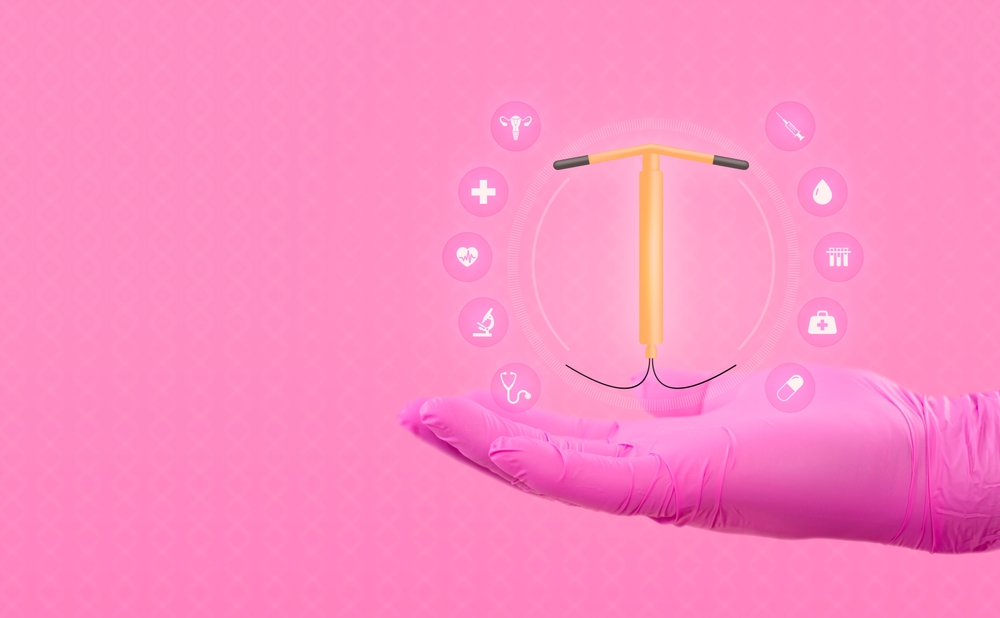
Choosing a birth control method is a major decision, and the hormonal IUD is a popular choice for its effectiveness and convenience. However, like any medication or device, it comes with a period of adjustment. Understanding hormonal IUD side effects is essential for peace of mind. While most women experience minor changes as their bodies adapt, it can be difficult to distinguish between a temporary inconvenience and a serious issue.
If you have recently had an IUD inserted or are considering one, you likely have questions. Is this cramping normal? Why has my cycle changed? This guide breaks down common reactions versus red flags, helping you navigate your reproductive health with confidence. Knowing when to seek medical help for hormonal IUD side effects ensures you stay safe and healthy throughout your experience. At Doral Health & Wellness, we are proud of our commitment to the East New York community to provide integrated interdisciplinary health services in an innovative medical facility dedicated to the health and well-being of our patients. Our team of specialists at our state-of-the-art gynecology clinic in Brooklyn provides trusted medical treatments and personalized quality care to guide you through your reproductive health journey. We offer a supportive environment where you can discuss your options openly with an experienced gynecologist.
Navigating Common Hormonal IUD Side Effects
For the first few months after insertion, your body is getting used to the presence of the device and the localized hormone release (usually progestin). Most of these symptoms are temporary and tend to subside within three to six months.
Typical Physical Changes
It is very common to experience a range of physical adjustments. These are generally not cause for alarm, but are good to be aware of.
- Irregular Bleeding: Spotting between periods or unpredictable cycles are the most frequent complaints. Over time, many women find that their periods become lighter or stop altogether.
- Cramping and Backaches: Mild cramping, similar to menstrual cramps, is expected immediately after insertion and may persist intermittently for a few weeks.
- Hormonal Adjustments: Some users report headaches, breast tenderness, or minor skin changes (like acne) as their hormone levels stabilize.
Mood and Emotional Changes
While less common, some women notice shifts in their mood. Progestin can affect people differently. If you notice mild mood swings, track them to see if they correlate with your cycle or if they persist.
When to Seek Medical Help for Hormonal IUD Side Effects
While the IUD is safe for the vast majority of users, complications can happen. It is crucial to recognize the warning signs that indicate something more serious than standard adjustment pains. Knowing when to seek medical help for hormonal IUD side effects can prevent complications like infection or device expulsion.
Signs of Expulsion or Displacement
Sometimes, the uterus may expel the device, or it may shift out of position.
- You cannot feel the strings, or the strings feel longer or shorter than usual.
- You can feel the hard plastic of the IUD cervix.
- You experience severe, sharp cramping that doesn’t go away with pain relief medication.
Symptoms of Infection
Pelvic inflammatory disease (PID) is a rare but serious risk, usually occurring shortly after insertion.
- Unexplained fever or chills.
- Unusual or foul-smelling vaginal discharge.
- Severe pain in the lower abdomen or during intercourse.
If you experience any of these symptoms, contact a gynecologist immediately. Early intervention is key to treating infections effectively.
Severe Physical Reactions
You should also seek care if you experience:
- Extremely heavy bleeding (soaking through a pad or tampon every hour for two hours).
- Severe migraines or sudden, severe headaches.
- Signs of pregnancy (nausea, breast tenderness), as ectopic pregnancy is a rare risk if the IUD fails.
The Importance of Follow-Up Care
Routine check-ups are a vital part of IUD maintenance. Most doctors recommend a follow-up visit about four to six weeks after insertion. This allows your gynecologist to check the strings and ensure the device is properly positioned.
If you are ever unsure about a symptom, trust your instincts. It is always better to ask a professional than to worry in silence. A quick consultation can confirm if your side effects are within the normal range or if adjustments need to be made.
The hormonal IUD offers freedom and reliable protection for years, but the adjustment period requires patience and awareness. By understanding common hormonal IUD side effects, you can manage your expectations and feel more in control of your body. However, never ignore severe pain or unusual symptoms.
If you have concerns about your IUD or need a professional assessment, do not hesitate to reach out. Visit our gynecology clinic in Brooklyn for compassionate, expert care. We are here to answer your questions and ensure your birth control method is working safely for you. Your health is our priority. To schedule a consultation to discuss which birth control method is right for you, contact Doral Health & Wellness today at 1-718-365-2555 or visit us at 1797 Pitkin Avenue, Brooklyn, New York 11212. We are committed to providing the supportive and expert care you deserve. For general information about Doral Health & Wellness services, you can contact or email info@doralhw.org.