For many young women, the onset of menstruation brings a host of challenges that extend beyond the monthly bleeding. Navigating period pain relief and managing the emotional and physical symptoms of PMS in teens can be distressing and disruptive. While some discomfort is a normal part of the menstrual cycle, severe pain and mood swings are not a rite of passage. Excellent teen menstrual health is achievable. By understanding the causes of these symptoms and learning effective gynecology tips, teens can gain control over their cycles and improve their quality of life. This guide provides clear information on how to manage these common concerns.
At Doral Health & Wellness, our team of medical professionals is committed to providing supportive and comprehensive gynecological care for adolescents. We offer a confidential environment where teens can discuss their symptoms and receive personalized guidance. Our goal is to empower young women with the knowledge and treatments necessary to manage their menstrual health effectively.
Understanding Teen Menstrual Health: Pain and PMS
During the menstrual cycle, the body undergoes significant hormonal shifts. These changes are responsible for both the physical pain associated with periods and the emotional symptoms of Premenstrual Syndrome (PMS).
What Causes Period Pain?
Period pain, or dysmenorrhea, is primarily caused by prostaglandins. These are hormone-like substances that trigger the uterine muscles to contract to shed their lining. High levels of prostaglandins lead to more intense contractions and, consequently, more severe pain. For some, the pain is a dull ache, while for others, it can be debilitating.
What is PMS in Teens?
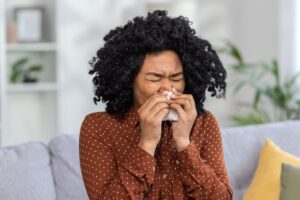
PMS refers to a group of physical and emotional symptoms that occur in the one to two weeks before a period. The exact cause is linked to the fluctuation of estrogen and progesterone levels, which affects brain chemicals like serotonin. Symptoms can include:
- Mood swings, irritability, or sadness
- Bloating and breast tenderness
- Fatigue and trouble concentrating
- Headaches and food cravings
It is important to recognize when these symptoms move from mild to severe, as it may signal the need to consult a teen GYN doctor NYC families trust.
Strategies for At-Home Period Pain Relief
Before seeking medical intervention, several at-home strategies can provide effective period pain relief. These simple lifestyle adjustments can make a significant difference in managing monthly discomfort.
Heat and Relaxation
Applying a heating pad or hot water bottle to the lower abdomen can help relax the uterine muscles and ease cramping. A warm bath can have a similar soothing effect. Gentle activities like stretching or yoga can also reduce tension and pain.
Diet and Hydration
Certain dietary choices can influence the severity of period symptoms.
- Stay Hydrated– Drinking plenty of water can reduce bloating and help with overall wellness.
- Limit Salt and Caffeine– Reducing salt intake can minimize water retention, while cutting back on caffeine may ease irritability and breast tenderness.
- Eat Nutrient-Rich Foods– Incorporating foods high in calcium (leafy greens, dairy), magnesium (nuts, seeds), and omega-3 fatty acids (fish, flaxseed) can help reduce inflammation and cramps.
Over-the-Counter Medication
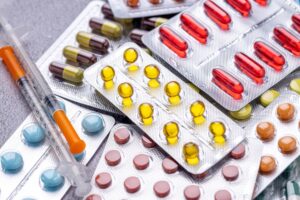
Nonsteroidal anti-inflammatory drugs (NSAIDs) like ibuprofen or naproxen are highly effective for period pain relief. They work by blocking the production of prostaglandins. For the best results, it is recommended to take the medication at the first sign of pain or even a day before the period is expected to start.
When these methods are not sufficient, it may be time to look for a “gynecologist near me” to discuss other options.
When to Seek Professional Gynecology Tips
While many teens manage their symptoms at home, some signs indicate that it is time for a professional consultation. Persistent and severe symptoms should not be ignored.
Signs You Need to See a Doctor
- Severe Pain– Cramps that cause you to miss school, work, or social activities are not normal.
- Heavy Bleeding– Soaking through a pad or tampon every hour or passing large clots.
- Intense PMS– If PMS in teens leads to feelings of depression, hopelessness, or extreme anger, it could be a more severe condition called Premenstrual Dysphoric Disorder (PMDD).
- Lack of Relief– When at-home remedies and over-the-counter medications provide no relief.
Visiting a gynecology clinic in Brooklyn provides access to experts who specialize in teen menstrual health.
Medical Treatments for Period Pain and PMS
A gynecologist can offer a range of medical treatments tailored to a teen’s specific needs. The goal is to reduce symptoms and restore a sense of normalcy.
Hormonal Birth Control
One of the most effective treatments for both severe period pain and PMS is hormonal contraception. Methods like the pill, patch, or ring work by regulating hormone levels and preventing ovulation. This often leads to lighter, shorter, and much less painful periods. It is also a first-line treatment for managing severe PMS and PMDD symptoms.
Prescription Medications
If NSAIDs are not effective enough, a doctor can prescribe stronger versions. For severe PMS or PMDD, a doctor might recommend antidepressants known as selective serotonin reuptake inhibitors (SSRIs). These can be taken either throughout the month or just during the two weeks before a period to help stabilize mood.
A thorough consultation with a teen GYN doctor NYC has available will determine the most appropriate course of action.
Building a Foundation for Lifelong Health
Learning to manage menstrual symptoms as a teen sets a precedent for lifelong health advocacy. It teaches young women to listen to their bodies and seek help when needed. Open conversations about periods and PMS help to de-stigmatize these natural processes and empower teens to take an active role in their well-being.
Establishing a relationship with a trusted gynecologist provides a valuable resource for gynecology tips and confidential care. These experts can guide teens through puberty and beyond, ensuring they have the information and support needed to thrive. If you have concerns, do not hesitate to search for a “gynecologist near me.”
Managing period pain and PMS is a critical aspect of teen menstrual health. No teen should have to suffer through debilitating symptoms in silence. From simple at-home remedies to effective medical treatments, there are numerous options for period pain relief. By understanding the causes of their symptoms and knowing when to seek professional gynecology tips, teens can reclaim their comfort and confidence. Addressing PMS in teens and severe cramps is not just about managing a monthly inconvenience; it is about ensuring overall wellness and quality of life.
Your health and comfort are our top priorities. To discuss your symptoms and explore personalized treatment options, contact Doral Health & Wellness today at 1-718-365-2555 or visit us at 1797 Pitkin Avenue, Brooklyn, New York 11212. Our expert team is here to provide the compassionate and comprehensive care you deserve. For general information about Doral Health & Wellness services, you can contact or email info@doralhw.org.