Today, on the internet, you can find that there is a great deal of information—and misinformation—surrounding HIV infections. Having clear, accurate, and compassionate answers to your questions is essential for your health and peace of mind. HIV (Human Immunodeficiency Virus) is a virus that attacks the body’s immune system, and if left untreated, it can lead to AIDS (Acquired Immunodeficiency Syndrome). Our commitment is to provide you with professional and trustworthy information to help you understand HIV transmission, prevention, and testing. We want to empower you with the knowledge to make informed decisions and protect your well-being. Log on to www.doralhw.org for a consultation.
Common Questions About HIV Infections and Transmission
Understanding how HIV is transmitted is the first step toward prevention. We are here to provide clear, fact-based answers to some of the most frequently asked questions.
How is HIV transmitted from one person to another?
We know that HIV is spread through contact with certain bodily fluids from a person who has HIV. It is important to understand that not all bodily fluids can transmit the virus. Transmission can only occur when these fluids enter the bloodstream of an HIV-negative person.
The primary ways HIV can be transmitted include:
- Having unprotected sex (anal or vaginal) with someone who has HIV. Anal sex is the highest-risk sexual activity for HIV transmission.
- Sharing needles, syringes, or other drug injection equipment with someone who has HIV.
- From mother to child during pregnancy, childbirth, or breastfeeding. With proper medical care, this risk can be significantly reduced.
Can I get HIV through casual contact?
No, you cannot get HIV from casual contact. We want to reassure you that HIV is not spread through air, water, or everyday interactions. This means you cannot get HIV from:
- Hugging, shaking hands, or touching the skin of a person with HIV.
- Sharing toilets, dishes, or drinking glasses.
- Saliva, sweat, or tears (unless blood is present).
- Mosquito bites or other insects.
Is it possible to get HIV from oral sex?
Yes, it is possible to get HIV from oral sex, although the risk is much lower than with anal or vaginal sex. The risk increases if there are cuts, sores, or bleeding gums in the mouth, or if the person with HIV has a high viral load. Using a dental dam or condom during oral sex can help reduce this risk.
HIV Prevention and Testing Explained
Prevention is a powerful tool in the fight against HIV. We are here to provide professional guidance on how to protect yourself and others.
How can I prevent HIV infection?
We want you to feel confident in your ability to prevent HIV. The most effective prevention methods include:
- Using condoms correctly and consistently during sexual activity.
- Limiting your number of sexual partners and discussing sexual health history with them.
- Get tested for HIV and other STIs regularly.
- Using PrEP (Pre-Exposure Prophylaxis), a daily medication that can significantly reduce the risk of getting HIV from sex.
- Never sharing needles or other equipment for injecting drugs.
How do I know if I have an HIV infection?
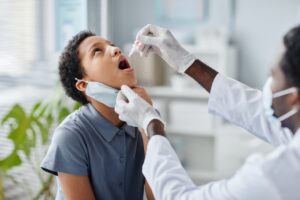
Many people with HIV do not have any symptoms for years. The only way to know your status for sure is to get tested. We encourage you not to wait for symptoms to appear. Early diagnosis allows you to start treatment promptly, which can help you live a long and healthy life.
What should I know about HIV testing?
Getting tested is a simple and confidential process.
- Antibody Tests: These tests look for antibodies to HIV in your blood or oral fluid. Most rapid tests and self-tests are antibody tests.
- Antigen/Antibody Tests: These tests can detect both HIV antibodies and antigens (a part of the virus called p24). They can detect a recent infection earlier than an antibody test.
- Window Period: There is a “window period” after exposure before a test can detect the virus. This period varies depending on the test, but most tests can detect HIV within a few weeks to a few months.
Living a Healthy Life with HIV
If you test positive for HIV, we understand that you may have many concerns. It is important to know that with today’s medical advancements, people with HIV can live long, healthy lives.
What happens after an HIV-positive diagnosis?
A positive diagnosis is not a death sentence. The key is to start treatment with antiretroviral therapy (ART) as soon as possible. ART is a combination of medications that reduces the amount of HIV in your body (the viral load).
By taking your medication as prescribed, you can achieve an undetectable viral load. This means the level of HIV in your blood is so low that it cannot be detected by a standard lab test. People who maintain an undetectable viral load have effectively no risk of sexually transmitting HIV to a partner.
Your Partner in Health and Wellness
We believe that clear information and proactive care are essential for managing and preventing HIV infections. Staying informed, getting tested, and using prevention methods are powerful steps you can take to protect your health. For those living with HIV, modern treatments have made it possible to live a full and healthy life.
We are committed to providing you with compassionate and expert care. If you’re worried about being infected, visit Doral Health & Wellness Infection Control Department to get professional medical help. Our doctors ensure that you get the best treatment for your condition. Book your appointment now, call us on + 1-718-367-2555 to get treated!!! Learn more about infectious diseases at www.doralhw.org. and stay up to date on current health topics and new research, on recent infectious diseases like HIV/AIDS. If you need help, register your information and make direct contact with our doctors at https://yuz88hfiyh7.typeform.com/Doralintake. Or visit us at 1797 Pitkin Avenue, Brooklyn, NY 11212.