Significant progress has been made in the fight against HIV (Human Immunodeficiency Virus), but the virus remains a major global health issue. Empowering yourself with knowledge is the most effective tool for protection. This article serves as your complete checklist to reduce the risk of HIV, outlining a range of modern HIV prevention methods. From understanding transmission to utilizing groundbreaking medical advancements, you can take control of your sexual health. Following these steps can dramatically lower your risk and contribute to a healthier community for everyone.
HIV is a virus that attacks the body’s immune system. If left untreated, it can lead to AIDS (acquired immunodeficiency syndrome). While there is no cure for HIV, effective treatments allow people to live long, healthy lives. Prevention, however, is always the best strategy. Reach out to us on https://doralhw.org/contact-us/ for a consultation.
The Complete Checklist to Reduce the Risk of HIV
Protecting yourself from HIV involves a combination of strategies. Not all methods are right for everyone, so understanding your options allows you to make the best choices for your lifestyle and circumstances. This is a comprehensive look at today’s most effective HIV prevention methods.
- Know Your HIV Status
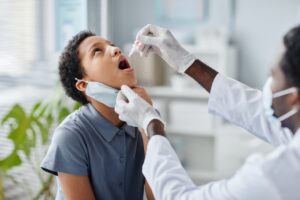
The first step in any prevention plan is to get tested. Many people with HIV do not know if they have it. Regular testing helps you make informed decisions about your health and prevent transmission to others.
- The CDC recommends that everyone between the ages of 13 and 64 get tested for HIV at least once as part of routine health care.
- If you have ongoing risk factors, you should get tested more frequently, such as every 3 to 6 months.
- Use Condoms Consistently and Correctly
When used correctly every time you have sex, condoms are highly effective in preventing HIV and other sexually transmitted infections (STIs).
- Use a new condom for every act of vaginal, anal, or oral sex.
- Check the expiration date and ensure the package is not damaged.
- Use water-based or silicone-based lubricants to prevent condoms from breaking.
- Limit Your Number of Sexual Partners
The fewer sexual partners you have, the lower your risk of exposure to HIV. Having a mutually monogamous relationship with a partner who has tested negative for HIV is one of the safest approaches.
- Talk to Your Doctor About PrEP
PrEP, or pre-exposure prophylaxis, is a powerful HIV prevention method. It is a daily pill that can reduce the risk of getting HIV from sex by about 99% when taken as prescribed.
- Who should consider PrEP? PrEP is for people who are HIV-negative but at high risk of getting HIV. This includes individuals whose partner has HIV, people who don’t consistently use condoms, or those who inject drugs.
- How to get PrEP: PrEP is a prescription medication. You must consult a healthcare provider to see if it is right for you. They will perform an HIV test before you start and require follow-up visits. For expert guidance, consider speaking with an infectious disease specialist.
- Use PEP After a Possible Exposure
PEP, or post-exposure prophylaxis, means taking antiretroviral medicines after a potential exposure to HIV to prevent becoming infected.
- PEP must be started within 72 hours of possible exposure. The sooner you start, the better.
- You will need to take the medication daily for 28 days.
- If you think you have been exposed to HIV, contact your doctor or the emergency room immediately.
- Never Share Needles or Syringes
If you inject drugs, use only new, sterile needles and equipment every time. Never share your work with others. Many communities have syringe services programs where you can get new needles and safely dispose of used ones.
- Get Treatment for Other STIs
Having another STI can increase your risk of both getting and transmitting HIV. Sores or inflammation from other STIs can make it easier for HIV to enter your body. Prompt treatment for any STI is an important part of HIV prevention.
When to Consult a Specialist
Managing your HIV risk can feel complex. A primary care doctor is a great resource, but for specialized advice, you may want to see an infectious disease specialist. These experts are at the forefront of HIV prevention and treatment. They can provide personalized counseling on PrEP, manage PEP, and answer complex questions about your risk. If you are in a metropolitan area, a search for an infectious disease doctor in Brooklyn can connect you with a local expert who understands community-specific health trends.
For those considering PrEP or who have had potential exposure, speaking with an infectious disease doctor in Brooklyn or a similar specialist in your area can provide peace of mind and access to the latest medical options.
By using this complete checklist to reduce the risk of HIV, you are taking powerful steps to protect your health. Stay informed, get tested regularly, and talk openly with your partners and healthcare providers. Book your appointment now, call us on + 1-718-367-2555 to get treated! Learn more about infectious diseases at www.doralhw.org. and stay up to date on current health topics and new research, on recent infectious diseases like COVID-19. If you need help, register your information and make direct contact with our doctors at https://yuz88hfiyh7.typeform.com/Doralintake. Or visit us at 1797 Pitkin Avenue, Brooklyn, NY 11212.