
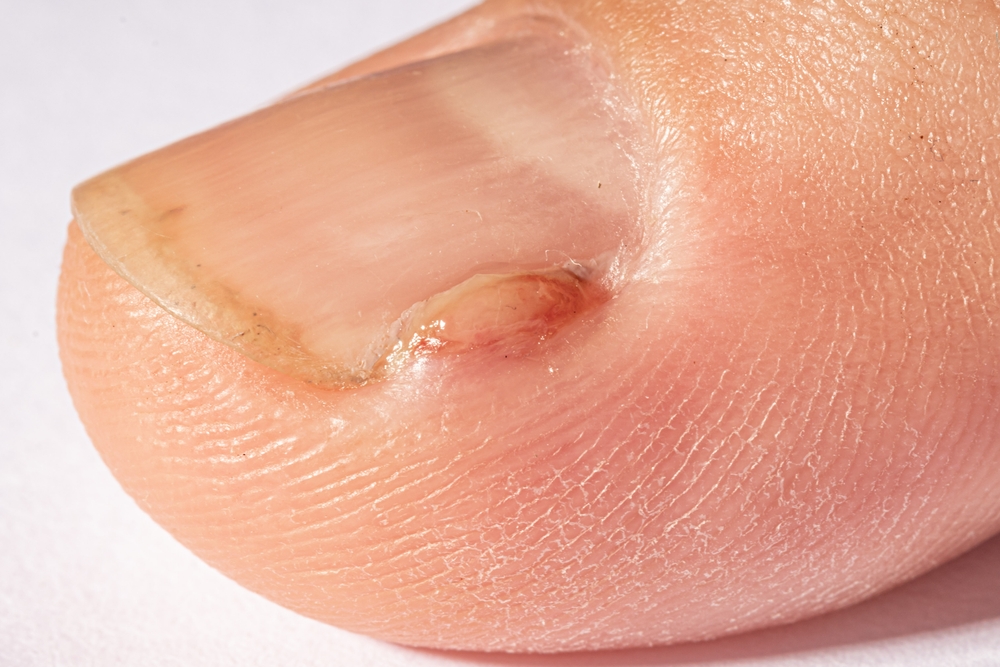
Do you know what are symptoms of ingrown toenails that require surgery? Ingrown toenails are a very common foot problem, which occurs when the top corner or side of your toenails grows towards the skin and damages it. While most of the ingrown toenails can be treated at home easily, some cases need immediate medical attention. Learn about the most common types of ingrown toenail surgeries and symptoms of ingrown toenails when you may need surgery to treat them in this article. Log on to www.doralhw.org for a consultation.
Symptoms of Ingrown Toenails Which Make Surgery Necessary
Certain ingrown toenails symptoms indicate that you need surgery to fix them, like:
- Red, hot, or oozing toe:
You require immediate medical attention if your toe shows signs of infection, like heat, redness, and pus. Redness that spreads down your toe or across your foot is another sign of infection. If left untreated, it can spread to other parts of the body, causing severe complications such as bone infection, gangrene, and sepsis.
- Extremely painful to touch:
If your ingrown toenail begins to affect your gait or impairs your daily routine, then don’t try to bear the pain, instead get proper treatment for your ingrown toenail that’ll provide you relief and allow you to get back to your normal activities as soon as possible.
- Your toe doesn’t get better with self-treatment:
If OTC medications and home remedies don’t work for you, you need to see the podiatrist to get professional medical treatment to fix your toenail and prevent complications.
- You have a health condition like diabetes or peripheral artery disease (PAD):
If you have either diabetes or PAD, then you need to inspect your feet and toes daily because these conditions affect sensation in your feet or toes, which lowers your chances of feeling injury or an ingrown nail. These conditions also affect your immune system which also increases the risk of infection. So, if you notice the first sign of an ingrown toenail, you need to seek medical attention immediately to lower the risk of severe infection.
- You develop ingrown toenails frequently:
If you have a chronic ingrown toenails problem, your podiatrist may recommend surgery to fix this problem. He will either remove a part or the whole of your nail bed that blocks your toenail from growing in a straight healthy way.
Surgery
Several different types of surgeries are used to treat ingrown toenails. Your podiatrist will tell you which surgery is best for you and the risks and side effects associated with it. You can choose after discussing it with your podiatrist. Here are the most common ingrown toenail surgeries:
- Avulsion:
This is a very common type of surgical procedure used to treat ingrown toenails, which involves removing a part or all of the ingrown toenails. There are 3 types of this surgery, including:
- Partial nail avulsion: In this avulsion procedure the surgeon removes one-third or one-quarter of your nail that is ‘ingrown’ to the side, along with infected tissue, and stitches the remaining nail to the skin.
- Wedge resection avulsion: In this avulsion procedure the surgeon removes a portion of the toenail from the edge that is growing into the skin. If you have any infection, the surgeon drains it surgically. This process is also known as simple surgical ablation.
- Total nail avulsion: In this avulsion procedure the surgeon removes the entire toenail that is misshaped and deformed to prevent the risk of future ingrown toenails. Removing the whole nails makes it easier for those nails to grow back normally in the right direction. However, it can take up to 18 months (about 1 and a half years) for your nails to completely regrow. This procedure is also called complete nail plate avulsion or toenail removal.
- Matrixectomy:
This procedure is recommended if nail removal or wedge resection fails. Your surgeon then removes the nail matrix or the nail root with a chemical solution, in addition to the above surgery.
- Phenolisation:
This procedure is used to destroy thick ingrown toenails with a chemical called phenol. During the procedure, the surgeon will remove the edge of the nail that is digging into your skin and apply phenol on the nail matrix to destroy the nail growing into the skin. It can be used to destroy whole or selective parts of the nail matrix that produce the ingrown toenails. That’s why it is also called a partial matrixectomy, phenol avulsion, or partial nail avulsion with matrix phenolisation. In case of infection, the surgeon drains the infection surgically with specific surgical instruments.
- Vandenbos procedure:
In this surgical procedure, the surgeon makes an incision at the base of the nail to remove the overgrown skin around the toenail and leave the wound to heal. It is also known as nail edge excision.
If you have these ingrown toenails symptoms like infection of ingrown nails, unbearable pain, toe doesn’t get better at home with self-treatment, having medical conditions like diabetes or PAD, or having chronic ingrown toenails, then you should seek medical help. These symptoms mostly require surgical procedures depending on the severity and risk of complications. You can choose any of the above-mentioned ingrown toenail procedures and discuss the benefits and risks with your podiatrist.
Need help with ingrown toenails, visit our podiatry clinic in Brooklyn clinic to get professional medical help and guidance on how to take care of your foot to prevent the risk of foot problems. Call us to book your appointment now!!!
Doral Health & Wellness employs Podiatrists with extensive education and expertise. Trauma to the tendons, muscles, and bones of the foot is quite common, as are infections secondary to systemic diseases. It’s not a promising idea to put off seeing Foot Doctor Brooklyn until you’re in a lot of pain. Our address is 1797 Pitkin Avenue, New York, NY 11212. To make an appointment, please call +1-347-384-5690 or send an email to info@mainwebsite.dialysisny.com.