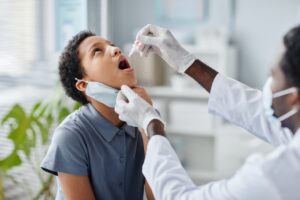
Our vision is a precious sense that allows us to experience the world in vivid detail, yet we often take it for granted until a problem arises. Establishing healthy eyes habits early in life is one of the most effective forms of preventative care. By incorporating simple vision prevention tips into your daily routine and prioritizing pediatric eye health for your children, you can significantly reduce the risk of common eye conditions later in life. Protecting your eyesight is a lifelong commitment that begins with understanding how to care for your eyes properly.
At Doral Health & Wellness, our commitment is to provide integrated and comprehensive health services with clarity and support. Our team of specialists offers reliable medical guidance, empowering you to navigate your health journey with confidence. We are dedicated to delivering the care you need to achieve overall well-being.
Essential Healthy Eyes Habits for All Ages
From childhood to adulthood, proactive measures can protect your vision from strain and damage. These ten habits are foundational for maintaining optimal eye health throughout your life.
- Schedule Regular Comprehensive Eye Exams
A dilated eye exam is the only way to detect many serious eye diseases, such as glaucoma, diabetic retinopathy, and age-related macular degeneration, in their early stages. For children, early exams are crucial for detecting conditions like amblyopia (lazy eye) or strabismus (crossed eyes), which are key components of pediatric eye health.
- Eat a Vision-Friendly Diet
Nutrition plays a vital role in eye health. A diet rich in fruits and vegetables, particularly dark leafy greens like spinach and kale, is beneficial. Fish high in omega-3 fatty acids, such as salmon, tuna, and halibut, can also help protect your vision. These foods contain key nutrients like lutein, zeaxanthin, vitamin C, vitamin E, and zinc, which are known to support eye health.
- Protect Your Eyes from UV Radiation
Just as ultraviolet (UV) radiation harms your skin, it can also damage your eyes. Long-term exposure to UV rays can increase your risk of developing cataracts and macular degeneration. Always wear sunglasses that block 99% to 100% of both UVA and UVB rays when you are outdoors.
- Give Your Eyes a Rest from Screens
In our digital age, many people experience digital eye strain. Symptoms include blurry vision, dry eyes, and headaches. To combat this, follow the 20-20-20 rule: every 20 minutes, look away from your screen at an object 20 feet away for at least 20 seconds. This simple practice helps reduce eye fatigue.
- Maintain a Healthy Weight
Being overweight or obese increases your risk of developing diabetes and other systemic conditions, which can lead to vision loss from diabetic eye disease or glaucoma. Maintaining a healthy lifestyle through diet and regular exercise can protect your eyes.
More Key Vision Prevention Tips
Beyond daily habits, certain lifestyle choices and safety precautions are essential for long-term vision protection.
- Do Not Smoke
Smoking is directly linked to an increased risk of developing age-related macular degeneration, cataracts, and optic nerve damage. Quitting smoking is one of the best things you can do for your overall health, including your vision.
- Wear Protective Eyewear
When participating in sports with a high risk of eye injury (like racquetball or hockey) or doing work around the house that involves potential hazards (like yard work or repairs), always wear appropriate protective eyewear.
- Know Your Family’s Eye Health History
Many eye diseases are hereditary. Speak with your family members to find out if anyone has been diagnosed with an eye condition. This knowledge can help you and your eye doctor determine if you are at a higher risk for developing a specific disease.
- Practice Safe Contact Lens Hygiene
If you wear contact lenses, it is critical to follow your doctor’s instructions for cleaning, disinfecting, and storing them. Poor hygiene can lead to serious eye infections that may cause permanent vision loss. Never sleep in contact lenses unless they are specifically approved for overnight wear.
- Consult a Professional for Any Vision Changes
If you experience any sudden changes in your vision, such as blurriness, flashes of light, floaters, eye pain, or double vision, it is crucial to see a specialist immediately. A search for an “eye doctor near me” or a local “eye doctor Brooklyn” can connect you with timely care. For specialized needs, an “ophthalmologist in NY” can provide a comprehensive evaluation. Finding the “best ophthalmologist in New York” ensures you receive expert care for your condition.
Adopting these ten healthy eyes habits is a powerful investment in your long-term wellness. From practicing good vision prevention tips like wearing sunglasses and resting your eyes, to prioritizing pediatric eye health with regular check-ups, each step contributes to preserving your sight. By working with a qualified eye care professional, you can create a proactive plan to protect your vision for a lifetime.
For expert eye care and to schedule a comprehensive exam, contact Doral Health & Wellness today at 1-718-365-2555 or visit us at 1797 Pitkin Avenue, Brooklyn, New York 11212. Our team of dedicated professionals is here to provide the supportive, personalized care you and your family need to maintain clear and healthy vision. For general information about Doral Health & Wellness services, you can contact or email info@doralhw.org.