As we grow older, changes to our vision are a natural part of the aging process. However, many of the more serious conditions that lead to sight loss are not inevitable. A proactive approach to age related vision decline prevention can make a substantial difference in maintaining eye health for years to come. Adopting a healthy lifestyle for eyes is one of the most powerful tools available to help preserve vision over 50. By making informed choices about diet, exercise, and preventative care, you can significantly lower your risk for conditions like macular degeneration, cataracts, and glaucoma.
At Doral Health & Wellness, we are dedicated to providing integrated, comprehensive health services. Our team of specialists offers clear and supportive medical guidance, empowering you to make confident decisions about your health. We are your trusted partners in achieving and maintaining lifelong wellness.
A Healthy Lifestyle for Eyes: Key Pillars
Your daily habits have a direct impact on the health of your eyes. Focusing on a few key areas can provide a strong foundation for age-related vision decline prevention.
Adopt an Eye-Healthy Diet
The nutrients you consume play a critical role in protecting the delicate structures of the eye. Research has consistently shown that certain vitamins and minerals can help combat age-related damage.
- Load Up on Leafy Greens – Spinach, kale, and collard greens are packed with lutein and zeaxanthin, two powerful antioxidants that are found in high concentrations in the macula. They help filter harmful blue light and protect against oxidative stress.
- Eat Omega-3 Rich Fish – Salmon, tuna, and mackerel are excellent sources of omega-3 fatty acids. These healthy fats contribute to the health of the retina and may help prevent dry eye syndrome.
- Incorporate Vitamin C and E – Citrus fruits, berries, and bell peppers are rich in Vitamin C, an antioxidant that may lower the risk of developing cataracts. Vitamin E, found in nuts, seeds, and sweet potatoes, also works to protect eye cells from damage.
Manage Chronic Health Conditions
Systemic diseases can have a profound impact on your vision. Effectively managing these conditions is a cornerstone of any effort to preserve vision over 50.
- Control Blood Sugar – Diabetes is a leading cause of blindness in adults. High blood sugar levels can damage the tiny blood vessels in the retina, a condition known as diabetic retinopathy.
- Monitor Blood Pressure – Uncontrolled high blood pressure can also damage retinal blood vessels and the optic nerve, increasing the risk for glaucoma and other serious eye problems.
Proactive Steps to Preserve Vision Over 50
Beyond diet and managing general health, specific actions are crucial for protecting your eyesight as you age.
Quit Smoking
Smoking significantly increases your risk for a number of sight-threatening diseases. The toxins in cigarette smoke accelerate the development of cataracts and more than double the risk of age-related macular degeneration (AMD). Quitting is one of the single most impactful lifestyle changes you can make for your eye health.
Protect Your Eyes from UV Light
Long-term exposure to the sun’s ultraviolet (UV) rays can damage the eye’s surface as well as its internal structures, including the lens and retina.
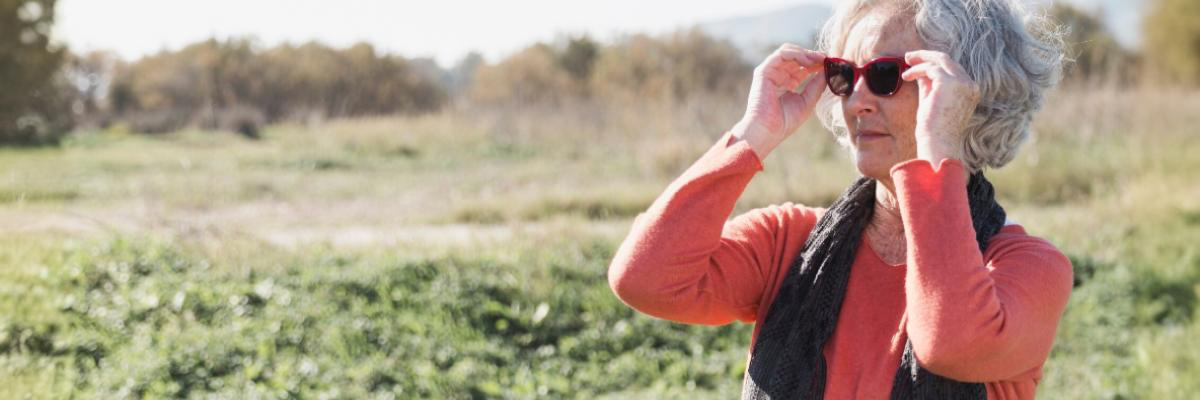
- Wear Sunglasses – Always choose sunglasses that block 99% to 100% of both UVA and UVB rays. A “UV400” label indicates full protection.
- Add a Hat – A wide-brimmed hat provides an additional layer of defense, blocking sunlight from above and the sides.
Stay Active and Maintain a Healthy Weight
Regular physical activity helps control high blood pressure, diabetes, and high cholesterol—all conditions that can threaten your vision. Maintaining a healthy weight reduces your risk of developing these systemic diseases in the first place, making it a key strategy for age related vision decline prevention.
The Essential Role of Regular Eye Exams
The most critical component of protecting your vision is scheduling regular, comprehensive eye exams. Many serious eye diseases, such as glaucoma and AMD, have no early symptoms. Only a dilated eye exam can detect these conditions before they cause irreversible vision loss.
- Follow a Schedule – The American Academy of Ophthalmology recommends a baseline exam at age 40 and subsequent exams every one to two years for adults 65 and older. Your doctor will advise the best schedule for you.
Finding a trusted professional is paramount. A search for an “eye doctor near me” is the first step. For residents in our area, an “eye doctor Brooklyn” can provide consistent, high-quality care. For more complex needs or surgical consultations, seeking the “best ophthalmologist in New York” or a qualified “ophthalmologist in NY” ensures you are getting expert-level attention.
While some changes to our vision are a normal part of aging, significant decline is not. By adopting a healthy lifestyle for eyes, you can take decisive action in the fight for age related vision decline prevention. Eating a nutrient-rich diet, managing chronic conditions, protecting your eyes from the sun, and committing to regular check-ups are powerful strategies to preserve vision over 50. Partnering with a skilled eye care professional provides the expert guidance necessary to protect your sight for a lifetime.
For expert eye care and to schedule a comprehensive exam, contact Doral Health & Wellness today at 1-718-365-2555 or visit us at 1797 Pitkin Avenue, Brooklyn, New York 11212. Our team of dedicated professionals is here to provide the supportive, personalized care you need to maintain clear and healthy vision. For general information about Doral Health & Wellness services, you can contact or email info@doralhw.org.