
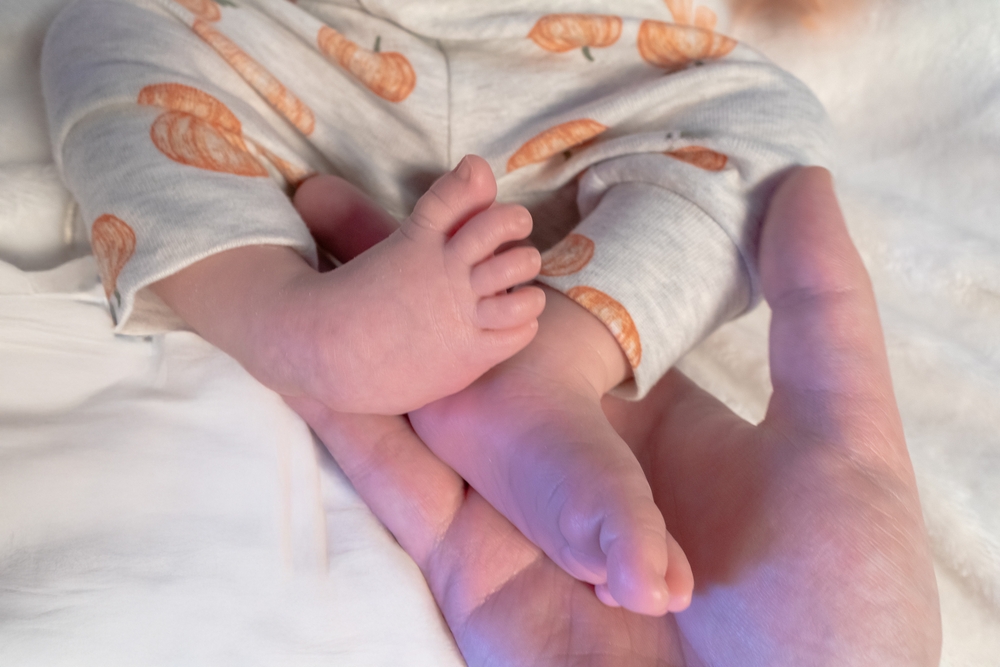
Becoming a parent brings immense joy, but it also comes with worries about your child’s health and development. One condition that can cause significant alarm for new parents is a foot deformity known as vertical talus. While it is a rare congenital condition, recognizing vertical talus symptoms early is crucial for ensuring your child walks comfortably in the future.
This condition, often called “rocker-bottom foot,” involves a misalignment of the foot bones. Fortunately, medical advancements have made vertical talus treatment more effective than ever. If you suspect your infant might be affected, understanding the signs and knowing when to seek professional help is the first step toward recovery. Get a consultation with the best Podiatrists in Brooklyn.
What Is Vertical Talus?
Vertical talus is a rare deformity present at birth. In a typical foot, the talus bone sits between the heel and the lower leg bones. However, in children with this condition, the talus bone forms in a vertical position rather than a horizontal one. This misalignment causes the other bones in the foot to shift, creating a rigid flatfoot appearance.
Unlike a flexible flatfoot, which is common and often painless, a vertical talus causes the foot to be stiff. It requires medical intervention to correct, as it will not improve on its own.
Recognizing Vertical Talus Symptoms
Identifying the condition early allows for less invasive correction methods. Parents and pediatricians usually notice the deformity shortly after birth. The most distinct vertical talus symptoms include physical changes to the shape and flexibility of the foot.
Look for the following signs:
- Rocker-Bottom Shape: The bottom of the foot curves outward like the bottom of a rocking chair.
- Rigid Flatfoot: The arch of the foot is nonexistent, and the foot feels stiff rather than flexible.
- Heel Position: The heel may point downward while the front of the foot points upward.
- Peg-Like Appearance: The front of the foot may turn outward and upward toward the shin.
Because the foot is stiff, you will likely find it difficult or impossible to gently bend the foot into a normal position. If you notice these issues, it is essential to consult a specialist immediately.
Effective Vertical Talus Treatment Options
The goal of vertical talus treatment is to correct the foot’s position to ensure your child can walk without pain or disability. Treatment plans vary based on the severity of the condition and the age of the child.
Non-Surgical Approaches
In the past, extensive surgery was the only option. Today, many experts prefer the “Dobbs Method,” a minimally invasive approach. This involves a series of leg casts and gentle stretching to gradually move the foot bones into correct alignment. This method is most effective when started shortly after birth.
Surgical Intervention
If casting does not fully correct the deformity, or if the diagnosis comes later in childhood, surgery may be necessary. A surgeon will adjust the bones and use pins (K-wires) to hold them in place while the foot heals. A qualified podiatrist will guide you through the post-surgical care, which usually involves wearing a special brace.
The Importance of Specialist Care
Addressing foot deformities requires specialized knowledge beyond standard pediatric care. A general pediatrician may identify the issue, but a dedicated podiatrist is best equipped to design a treatment plan. They understand the complex mechanics of the foot and ankle, ensuring that the correction holds as the child grows.
For families in the New York area, visiting a specialized podiatry clinic in Brooklyn can provide you with access to experts familiar with congenital deformities. Early intervention at a podiatry clinic in Brooklyn can often mean the difference between non-invasive casting and complex surgery. Hearing a diagnosis of vertical talus can be frightening, but the outlook for children treated early is excellent. By spotting vertical talus symptoms quickly and pursuing the right vertical talus treatment, you can help your child achieve a life of pain-free activity. At Doral Health & Wellness, we have Podiatrists with extensive education and expertise. Our address is 1797 Pitkin Avenue, New York, NY 11212. To make an appointment, please call + 1 718 367 2555, or register your information and make direct contact with us at https://yuz88hfiyh7.typeform.com/Doralintake or send an email to info@doralhw.org.