
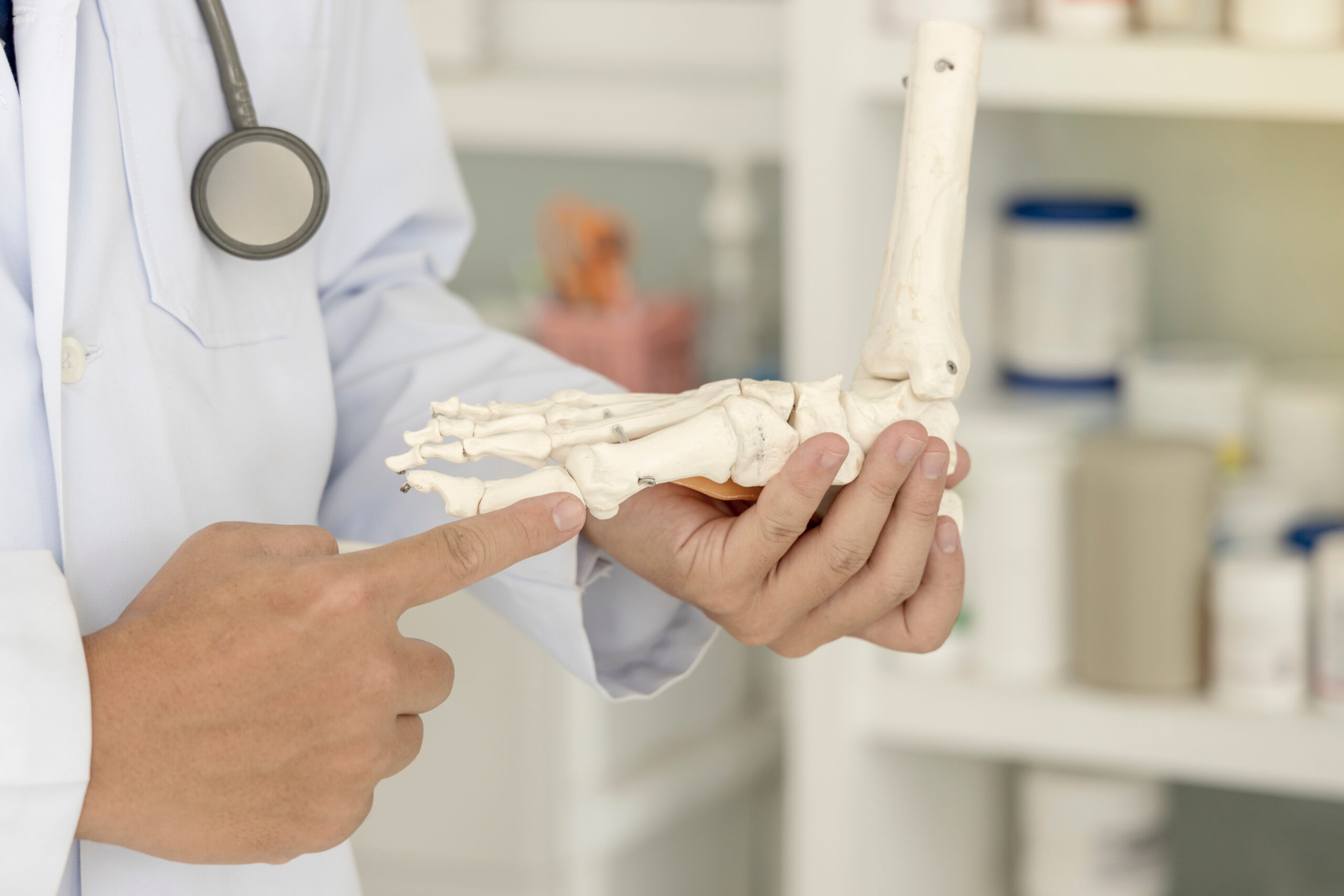
If your bunion interferes with your everyday life activities and other treatments have failed to improve your condition, you should consider bunion surgery. It is a surgical procedure used to either remove or realign the bunion of your foot. However, there are many procedures, and sometimes a combination of two or more procedures is used. Learn everything you need to know about Bunion surgery via FAQs in this article.
FAQs on Bunion Surgery
These FAQs on bunion surgery will help you understand everything you need to know about the treatment:
- What is bunion surgery, and when is it recommended?
Ans. Bunion surgery or bunionectomy is a surgical procedure used to either remove or realign a bunion of your foot. Bunions are bony growths that occur on the inside edge of your big toe joint, where it pushes your big toe out of alignment as time passes. It affects the metatarsophalangeal (MTP) joint (where the base of the big toe joins the foot). Other treatments help to manage bunion symptoms, but a bunionectomy is the only way to permanently remove the extra growth or realign your foot.
Your doctor will recommend bunion surgery when nonsurgical treatments fail to manage your bunion pain or it starts affecting your daily life, making it harder to do everyday activities.
- What makes you a viable candidate for bunion surgery?
Ans. Several factors decide whether you are a viable candidate for bunion surgery or not. It includes:
- If you experience significant foot pain that limits your daily activities, like walking and wearing reasonable shoes. You have so much pain that it makes it hard to walk more than a few blocks without significant pain.
- Chronic big toe inflammation and swelling that doesn’t get better with rest and medications.
- Toe deformity: A drift in the big toe toward the smaller toes, creating a toe crossover with each other.
- Toe stiffness (the inability to bend or straighten your big toe).
- Not getting pain relief with footwear changes.
- Not getting pain relief with nonsteroidal anti-inflammatory drugs (NSAIDs) like ibuprofen and naproxen. NSAIDs’ effectiveness in managing toe pain can vary from person to person.
- How many types of bunion surgery are available to treat bunions?
Ans. While there are different surgeries for bunions, sometimes more than one procedure can be used at the same time. The most common surgeries used to treat bunions are:
- Osteotomy: This is the most common type of bunion surgery used to realign the big toe. In this procedure, the surgeon makes small incisions in your foot and toe bones to realign your big toe joint with screws, pins, or plates. This makes bones straighter, or joints balanced. It is used in different places along the bone to correct the deformity. In some cases, along with bone cutting, a small wedge of bone is removed to ensure enough correction to straighten the toe. It is normally performed in combination with soft tissue procedures to maintain the big toe alignment.
- Arthrodesis (joint fusion): In this procedure, your surgeon removes the arthritic joint surfaces and uses screws, wires, or plates to hold the remaining surfaces together until the bones heal. It is commonly performed on patients with severe bunions or arthritis after unsuccessful bunion surgery.
- Lapidus: In this procedure, your surgeon removes the bunion and then realigns your foot by fusing the joint on the metatarsal bone and the medial cuneiform. This procedure is recommended if you have a severe bunion. It is also a good option for people with hypermobility in their feet and for young people with bunions.
- Exostectomy: In this procedure, the surgeon will remove the bump from the toe joint. This procedure is rarely used to treat bunions because it doesn’t realign the joint. Even when it is combined with other soft tissue procedures, it rarely corrects the cause of the bunion. It is only performed as a part of complete corrective surgery that includes osteotomy, or with other soft-tissue procedures. If this procedure is performed alone without other procedures, like osteotomy, the bunion deformity can return.
- How to prepare for a bunion surgery procedure?
Ans. To make yourself ready for your surgery, listen to your doctor explaining the procedure to you and ask any questions you have about the procedure. You may need to sign a consent form to permit your doctor to perform the procedure. Make sure you read it carefully and ask questions if something is not clear. Your doctor will check your medical history and perform a physical exam to ensure you are in good shape for the procedure. They may perform blood tests or other tests. If you’re sensitive or allergic to any medicines/equipment like latex, tape, and anesthetic agents, make sure you tell your doctor about it. You need to tell your doctor about all your medicines, vitamins, and herbal supplements. If you have a history of bleeding disorders, make sure you tell your doctor if you’re taking any anticoagulant medicines. These medicines need to be stopped before the procedure. If you’re pregnant or think you might be, tell your doctor. Follow the proper instructions given by the doctor before the procedure. Make sure you have someone with you who can take you home after the procedure. Other than that, no specific preparation is required but sometimes it may be needed for some specific conditions.
- What to expect during and after the procedure?
Ans. During a bunion surgery, you need to change into a medical gown. The surgeon injects an intravenous (IV) drip in your arm or hand to give local or general anesthesia to numb or make you sleep during the procedure. Then, the surgeon cleans the skin above the bunion with an antiseptic solution. Now, the surgeon can cut, realign, and remove portions of bone, ligaments, and tendons of the affected foot based on the severity of your foot condition. After that, the surgeon closes the opening with stitches and puts a sterile bandage or dressing on it.
After surgery, you can shift into the recovery room, where your vitals are monitored. When they are stable, you can go home with a relative or friend. In some cases, you may need to stay in the hospital. You need to follow the aftercare instructions to ensure a safe recovery without complications.
- How long does recovery take after bunion surgery?
Ans. Recovery from bunion surgery depends on the type of surgery you undergo, your overall health, and other factors. Usually, the initial time of recovery can be anywhere between 6 weeks (about 1 and a half months) to 6 months, but complete healing can take up to a year.
- When should you see your doctor after bunion surgery?
Ans. While bunion surgery is a safe and effective procedure, sometimes it may cause side effects. If you experience any of the following issues, you should see your doctor:
- Your dressing loosens, falls off, or gets wet.
- Have a fever higher than 101 degrees Fahrenheit (39 degrees Celsius).
- Shaking/chills.
- Significant swelling on the calf of the treated foot, especially if there’s a charley horse pain behind the knee, or if you have shortness of breath.
- Bleeding.
- Signs of infection at the surgery site such as leaking fluid, odor, discoloration, swelling, or a feeling of warmth.
- New or worsening pain.
Bunion surgery is an effective treatment option for bunions that don’t get better with other treatments and interfere with your everyday activities. The type of bunion surgery is recommended depending on your condition, severity, overall health, medical history, and symptoms. Sometimes, doctors perform two or more procedures at the same time to ensure the realignment of the foot. Make sure you discuss the benefits and risks of the bunion surgery procedure with your doctor to know what is best for you.
Need help with bunion surgery? Visit our podiatry clinic in Brooklyn to get professional medical help. Call us to book your appointment now!!!!! Doral Health & Wellness employs Podiatrists with extensive education and expertise. Trauma to the tendons, muscles, and bones of the foot is quite common. It’s not a promising idea to put off seeing Foot Doctor Brooklyn until you are in a lot of pain. Our address is 1797 Pitkin Avenue, New York, NY 11212. To make an appointment, please call +1-718-367-2555 or send an email toinfo@doralhw.org.