November marks a significant time for public health as we observe American Diabetes Month. This is a dedicated period used as a diabetes awareness month to focus our collective attention on a condition that affects millions of people nationwide. We use American Diabetes Month to educate people about diabetes, demystify the condition, and share the fundamental principles of management and care. Understanding diabetes is the first step toward prevention and effective management, whether for yourself or a loved one. This health observance is crucial for spreading knowledge and fostering a community of support for those living with the daily challenges of diabetes. At Doral Health & Wellness, we have all the answers you need.
Understanding Diabetes: More Than Just Blood Sugar
Diabetes is a chronic health condition that affects how your body turns food into energy. Most of the food you eat is broken down into sugar (also called glucose) and released into your bloodstream. When your blood sugar goes up, it signals your pancreas to release insulin. Insulin acts like a key to let the blood sugar into your body’s cells for use as energy. With diabetes, your body either doesn’t make enough insulin or can’t effectively use the insulin it does make. This leads to high blood sugar levels, which can cause serious health problems over time.
The Main Types of Diabetes
While there are several types of diabetes, the most common ones are Type 1, Type 2, and gestational diabetes. Each has different causes and risk factors.
- Type 1 Diabetes: Believed to be an autoimmune reaction, Type 1 diabetes occurs when the body attacks itself by mistake, stopping the production of insulin. It’s usually diagnosed in children and young adults and requires daily insulin injections to survive.
- Type 2 Diabetes: This is the most common form, where the body doesn’t use insulin well. It can develop at any age, even during childhood, but it occurs most often in middle-aged and older people. It is often linked to lifestyle factors like diet and physical activity.
- Gestational Diabetes: This type develops in some women during pregnancy. While it usually goes away after the baby is born, it increases the mother’s risk for Type 2 diabetes later in life.
The Pillars of Diabetes Care During Diabetes Awareness Month
Managing diabetes effectively revolves around a few key pillars. During American Diabetes Month, to educate people about diabetes, we emphasize these core components of care. Successful management can help prevent or delay serious complications like heart disease, vision loss, and kidney disease.
A balanced diet is central to managing diabetes. This doesn’t mean you have to give up all your favorite foods. It’s about making smart choices, controlling portion sizes, and understanding how different foods affect your blood sugar.
Key principles include:
- Focus on Whole Foods: Prioritize fruits, vegetables, lean proteins, and whole grains.
- Limit Processed Foods: Reduce intake of sugary drinks, snacks, and foods high in saturated and trans fats.
- Carbohydrate Counting: Learn to monitor your carbohydrate intake, as carbs have the biggest impact on blood sugar levels.
Exercise helps your body use insulin more effectively and is a powerful tool for lowering blood sugar. Aim for at least 150 minutes of moderate-intensity aerobic activity, like brisk walking or swimming, each week. Incorporating strength training two or more days a week can also provide significant benefits. Always talk to your doctor before starting a new exercise routine.
Monitoring Blood Sugar
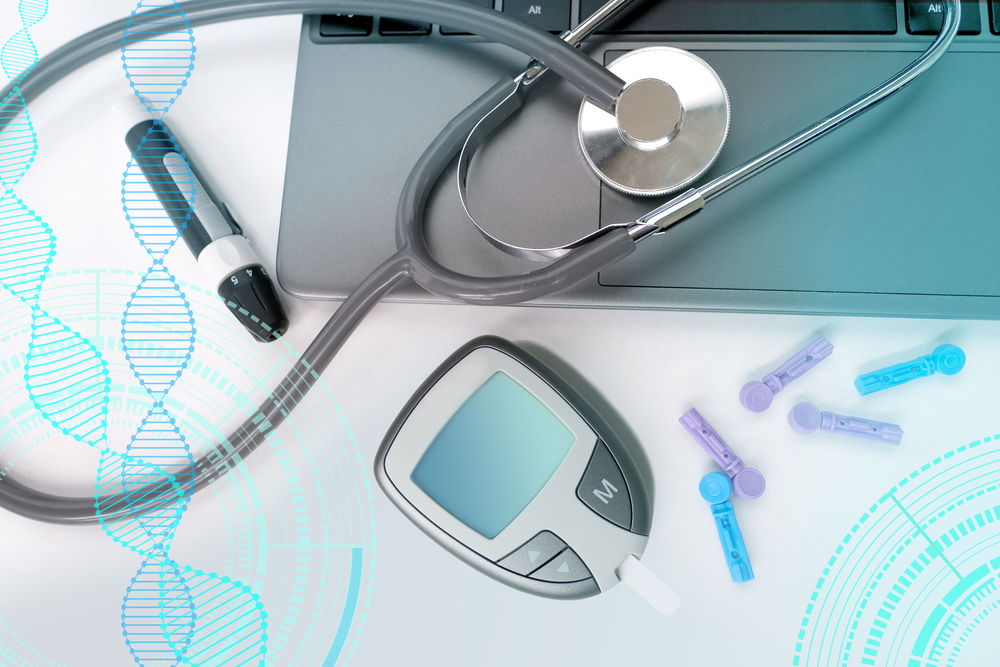
Regularly checking your blood sugar levels is essential to see how your food choices, activity, and medications are affecting you. It provides real-time feedback that helps you and your healthcare team make adjustments to your care plan. The frequency of testing will depend on your type of diabetes and treatment plan.
Medication Management
For many people with diabetes, diet and exercise are not enough to control blood sugar levels.
- Type 1 Diabetes: Requires insulin therapy via injections or an insulin pump.
- Type 2 Diabetes: May be managed with oral medications, injectable medications, insulin, or a combination.
It is critical to take medications as prescribed by your healthcare provider to achieve the best results.
The Importance of Health Awareness Programs
Comprehensive health awareness programs play a vital role in both prevention and management. These initiatives provide education, support, and resources to help people understand their risk and take proactive steps. This diabetes awareness month, we encourage everyone to learn more about the condition. Simple screenings can help identify prediabetes—a condition where blood sugar levels are high, but not high enough for a type 2 diabetes diagnosis. Identifying prediabetes early allows for lifestyle changes that can prevent or delay the onset of type 2 diabetes. Increased health awareness empowers individuals and communities to fight this widespread condition together.
This American Diabetes Month, take a step toward better health. Learn the basics of diabetes care, understand your personal risk, and support those in your community living with the condition. By working together, we can share knowledge, foster support, and create a healthier future for everyone. If you need help with diabetes management, visit us to get professional medical help. Our diabetologists create personalized treatment plans to ensure that you lead a fulfilling life. Book your appointment now, call us on + 1-718-367-2555 to get your condition treated! Learn more about Diabetes at www.doralhw.org. and stay up to date on current health topics and new research. If you need help, register your information and make direct contact with us at https://yuz88hfiyh7.typeform.com/Doralintake. Or visit us at 1797 Pitkin Avenue, Brooklyn, NY 11212.