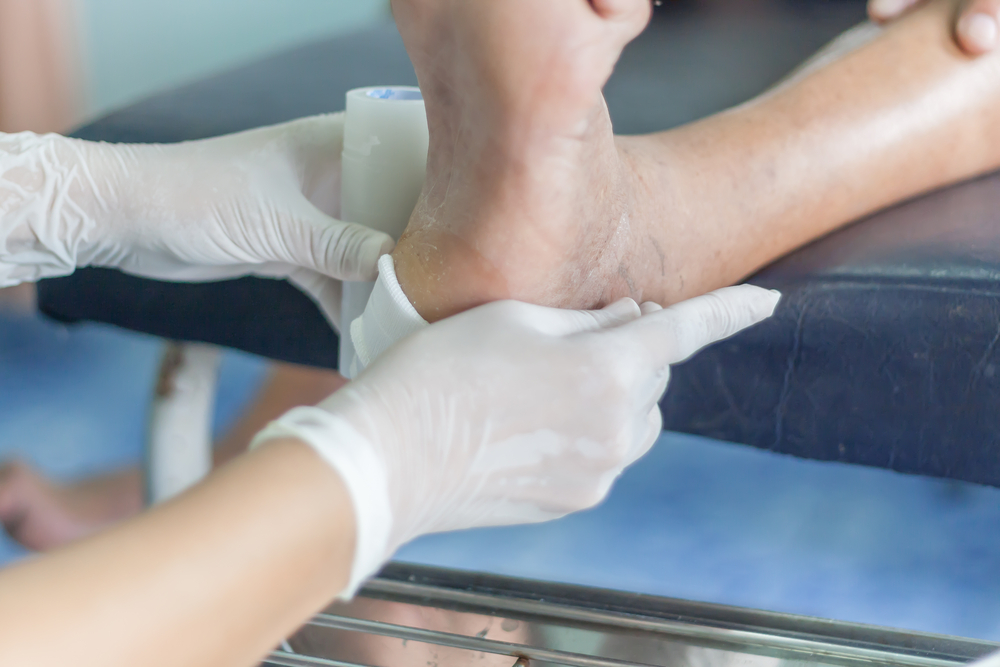
Managing diabetes involves careful attention to foot health, as even minor injuries can lead to serious complications. For those struggling with non-healing wounds, finding an effective treatment is critical. Negative pressure wound therapy for diabetic foot is a highly effective, advanced treatment that helps accelerate the healing of complex wounds. Also known as VAC therapy for diabetic wounds, this method uses controlled suction to create an ideal environment for tissue repair. By drawing out excess fluid and increasing blood flow, it offers a powerful solution for patients whose ulcers have resisted traditional care methods, helping to prevent infection and more severe outcomes. Get a consultation with the best Podiatrists in Brooklyn.
Why Are Diabetic Foot Wounds So Hard to Heal?
People with diabetes often face a higher risk of developing foot ulcers due to two main complications: neuropathy and peripheral artery disease.
- Neuropathy: High blood sugar can damage nerves, especially in the feet, leading to a loss of sensation. This means a person might not feel a cut, blister, or pressure sore, allowing it to worsen before it’s discovered.
- Peripheral Artery Disease (PAD): Diabetes can cause arteries to narrow, reducing blood flow to the lower limbs. Good circulation is essential for healing because blood carries the oxygen and nutrients needed to repair tissue. When blood flow is poor, even a small wound can fail to heal properly.
Without prompt and effective treatment from a qualified podiatrist, these ulcers can become infected, potentially leading to hospitalization or amputation.
What is Negative Pressure Wound Therapy (NPWT)?
Negative Pressure Wound Therapy, often called wound vac therapy, is a sophisticated treatment designed to actively promote healing. It involves applying a special foam dressing over the wound, which is then sealed with a clear film. A small tube connects the dressing to a portable pump. When the pump is turned on, it creates a gentle, continuous vacuum, or negative pressure, over the wound bed.
This controlled suction works in several ways to support the healing process:
- Removes Excess Fluid: It draws out excess fluid (exudate) and infectious material from the wound, reducing swelling and bacterial load.
- Increases Blood Flow: The negative pressure stimulates blood flow to the area, delivering more oxygen and nutrients essential for cell growth.
- Promotes Tissue Formation: It encourages the formation of new, healthy granulation tissue, which is the foundation for healing.
- Pulls Wound Edges Together: The therapy helps to gently contract the wound, encouraging the edges to close.
The Process of VAC Therapy for Diabetic Wounds
If your healthcare provider determines that negative pressure wound therapy for your diabetic foot ulcer is the right approach, here is what the process typically involves.
Application of the Dressing
A healthcare professional will first clean the wound thoroughly. A special foam dressing, cut to the exact shape and size of the ulcer, is placed inside the wound cavity. The area is then covered with a transparent adhesive film, creating an airtight seal. A small port within the film is connected via tubing to a compact, portable vacuum pump.
The Therapy Cycle
Once activated, the pump begins to apply negative pressure. This is often done in a continuous or intermittent cycle, depending on the wound’s specific needs. The pump is quiet and can be carried in a small bag, allowing patients to remain mobile during treatment. Dressings are typically changed every 48 to 72 hours by a trained clinician or a home health nurse. During these changes, your podiatrist will assess the wound’s progress.
Duration of Treatment
The length of time a patient needs NPWT varies based on the size and severity of the ulcer, as well as their overall health. Your care team will monitor your progress closely to determine when the wound is ready for other closure methods or has healed sufficiently to discontinue therapy.
Who is a Good Candidate for NPWT?
NPWT is a powerful tool for complex wounds, but it isn’t necessary for every ulcer. It is generally recommended for chronic diabetic foot ulcers that have not shown improvement after 30 days of standard wound care.
To determine if you are a suitable candidate, a comprehensive evaluation is crucial. If you are searching for a specialized podiatry clinic in Brooklyn with expertise in advanced wound management, it is important to find one that can properly assess your condition. A skilled provider can determine if vac therapy is the best option to facilitate healing and help you avoid serious complications.
Take Control of Your Wound Healing
A non-healing diabetic foot ulcer can significantly impact your quality of life and poses serious health risks. Negative pressure wound therapy for diabetic foot provides a modern, clinically proven method to manage these challenging wounds and promote recovery. By creating an optimal healing environment, NPWT can help you get back on your feet faster.
If you are struggling with a persistent foot wound, do not delay seeking help. Contact a podiatry clinic in Brooklyn to schedule a consultation. An expert evaluation can determine if you are a candidate for this advanced therapy and set you on the right path to healing. At Doral Health & Wellness, we have Podiatrists with extensive education and expertise. Our address is 1797 Pitkin Avenue, New York, NY 11212. To make an appointment, please call + 1 718 367 2555, or register your information and make direct contact with us at https://yuz88hfiyh7.typeform.com/Doralintake or send an email to info@doralhw.org.