
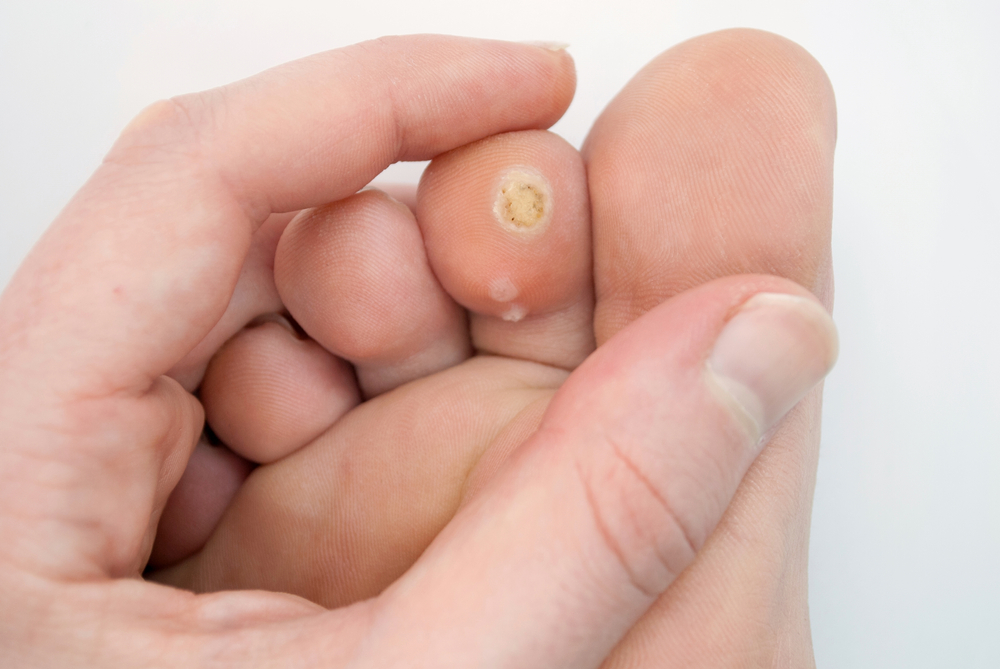
Warts and calluses on the feet can be both unsightly and uncomfortable, often causing pain with every step. While they might seem similar, they have different causes and require distinct approaches for removal. Fortunately, many effective non-surgical removal techniques for warts and calluses can be done at home or in a doctor’s office. One of the most common and accessible treatments is using salicylic acid for warts. This guide will walk you through safe and proven methods to treat these common foot issues and help you understand when it’s time to see a professional. Get a consultation with the best Podiatrists in Brooklyn.
Understanding the Difference: Warts vs. Calluses
Before starting any treatment, it’s important to know what you’re dealing with.
- Warts: Plantar warts are caused by the human papillomavirus (HPV), which enters the body through tiny cuts or breaks in the skin on the bottom of the feet. They are often painful when squeezed and may have tiny black dots in the center, which are clotted blood vessels. Warts are contagious and can spread.
- Calluses: Calluses are thick, hardened layers of skin that develop as a protective response to repeated friction or pressure. They are not caused by viruses and are not contagious. Calluses typically form on weight-bearing areas like the heel or the ball of the foot and are usually painful only under direct pressure.
Effective Non-surgical Removal Techniques for Warts and Calluses
For many, professional medical intervention isn’t the first step. Several non-surgical options can provide significant relief and removal.
Treating Calluses at Home
Since calluses are a result of pressure, the first step is to address the cause.
- Soak and File: Soften the callus by soaking your feet in warm, soapy water for about 10-15 minutes. Afterward, gently file the thickened skin with a pumice stone or foot file.
- Moisturize: Apply a thick moisturizing cream containing urea or salicylic acid to the callus to help soften it.
- Protective Padding: Use over-the-counter callus pads or moleskin to cushion the area and reduce pressure. Make sure your shoes fit properly and are not too tight.
Treating Warts at Home: Salicylic Acid
One of the most popular at-home treatments is using salicylic acid for warts. This compound works by softening the wart and peeling away the infected skin layers over time. It is available in various forms, such as liquids, gels, and adhesive pads.
How to Use Salicylic Acid:
- Soak the wart in warm water for 5-10 minutes to soften the skin.
- Gently file the surface of the wart with a pumice stone or emery board (do not use this file on other parts of your body to avoid spreading the virus).
- Apply the salicylic acid directly to the wart, avoiding the surrounding healthy skin.
- Allow it to dry and cover with a bandage.
- Repeat this process daily. It can take several weeks or even months to see results, so consistency is key.
When to See a Podiatrist
While home remedies are often effective, certain situations require professional care. It’s time to consult a podiatrist if:
- You are unsure if the growth is a wart or something else.
- You have diabetes, poor circulation, or a weakened immune system.
- The wart or callus is extremely painful, bleeding, or shows signs of infection.
- At-home treatments have not worked after several weeks.
- The warts are spreading or multiplying.
A visit to a podiatry clinic in Brooklyn can provide you with a definitive diagnosis and more advanced treatment options that are not available over the counter.
Professional Non-Surgical Treatments
A podiatrist has several powerful non-surgical tools to treat stubborn warts and calluses.
- Cryotherapy: This involves applying liquid nitrogen to the wart to freeze and destroy it. The wart will typically blister and fall off within a week or two. Multiple treatments may be needed.
- Cantharidin: A doctor may apply this chemical, which causes a blister to form under the wart. After about a week, the doctor can clip away the dead wart.
- Prescription-Strength Peeling Medication: Stronger formulations of salicylic acid or other peeling agents can be prescribed to remove resistant warts and calluses.
- Custom Orthotics: For calluses caused by foot structure issues, a podiatrist can create custom shoe inserts (orthotics) to correct the pressure distribution and prevent calluses from returning.
Dealing with painful warts and calluses doesn’t have to be a long-term struggle. By starting with proven home care methods and knowing when to seek professional help, you can get back on your feet comfortably. If you’re struggling with persistent foot issues, don’t hesitate to seek expert advice. Contact our podiatry clinic in Brooklyn to schedule a consultation and explore the best treatment options for you. At Doral Health & Wellness, we have Podiatrists with extensive education and expertise. Our address is 1797 Pitkin Avenue, New York, NY 11212. To make an appointment, please call + 1 718 367 2555, or register your information and make direct contact with us at https://yuz88hfiyh7.typeform.com/Doralintake or send an email to info@doralhw.org.