
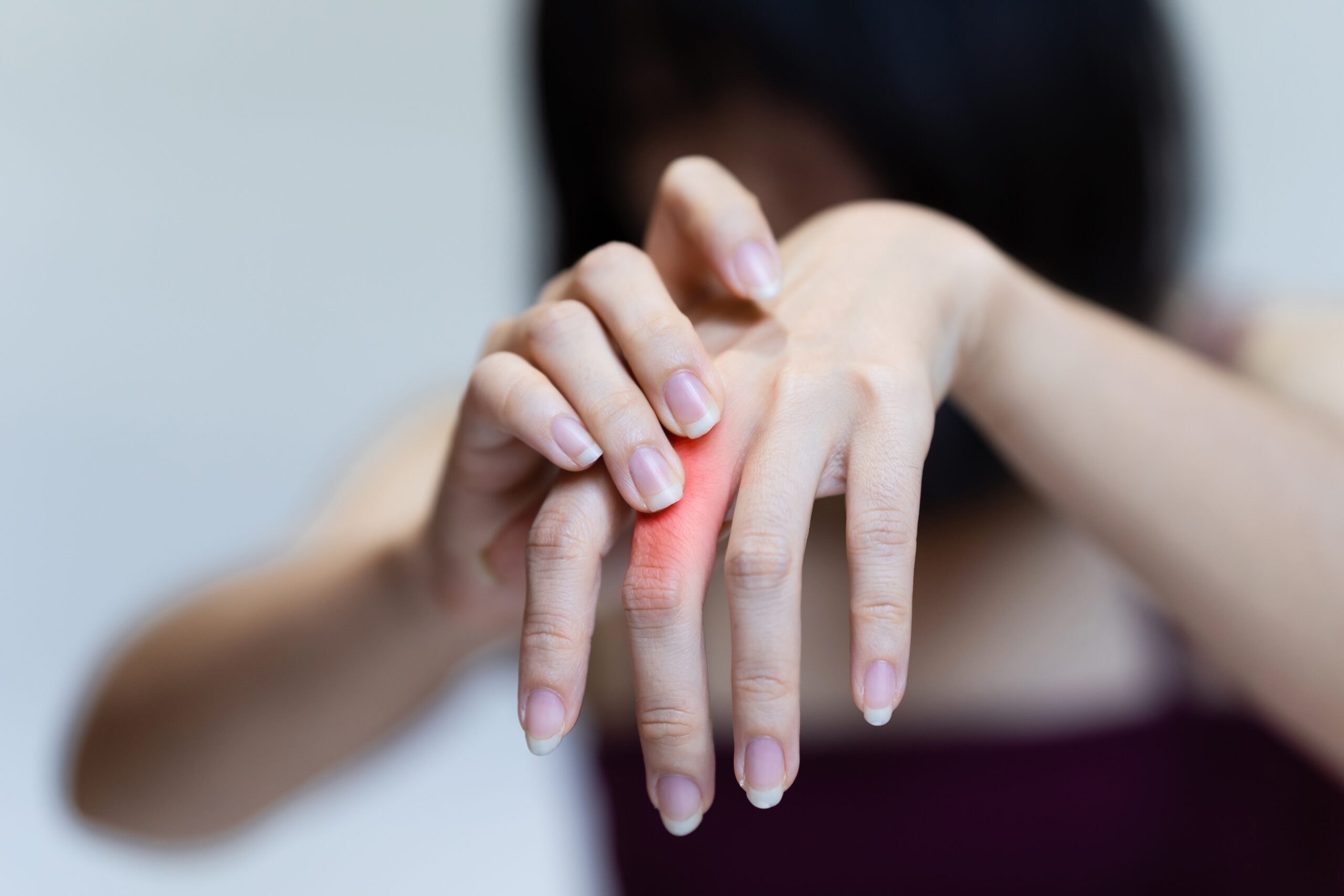
Getting diagnosed with osteoarthritis can be overwhelming, especially when you know it has no cure, and its symptoms get worse over time. Luckily, with the right lifestyle adjustments, you can manage your pain and slow down its progression. Learn the 7 best lifestyle changes to manage osteoarthritis pain in this article. Visit the best Pain Management Clinic in Brooklyn at Doral Health & Wellness or log on to www.doralhw.org.
7 Lifestyle changes to manage osteoarthritis pain
Certain lifestyle changes can help you manage your osteoarthritis pain and live a better life. It includes:
- Exercise:
Exercise is one of the best and most common treatments for people with osteoarthritis. Exercise is a physical activity that is designed to improve your strength and maintain physical fitness based on your age or level of fitness. Activities like lifting weights, running on the treadmill, or performing yoga are all forms of planned motion that are designed to improve strength, endurance, and flexibility. You may think that if osteoarthritis causes pain and stiffness, exercise will make it worse, but what happens is the opposite.
Regular exercise keeps your body active, builds muscle, and strengthens your joints, which helps to improve your symptoms. Additionally, it also helps you lose weight, improve your posture, and relieve stress, all of which will ease your symptoms. Make sure you get help from a physiotherapist who can help you design your exercise program that helps you keep your joints safe while working out to give you the maximum benefits of exercise you need. Make sure when you start the exercise, start gradually to allow your body to adjust accordingly, perform the exercise in the right range of motion, and progress efficiently.
- Losing weight:
Being overweight or obese can make osteoarthritis pain worse because it puts extra strain on your load-bearing joints (knees, hips, ankles, spine, feet), which increases the progression of the condition. Excess weight is directly linked to osteoarthritis, which means it also has a metabolic link. So, it is important to lose weight and maintain a healthy weight. Luckily, several ways can help you lose weight, like healthy eating, exercise, and cognitive behavioral strategies. If you have a challenging time managing your weight, it is advised to discuss your options with your healthcare provider.
- Consume a healthy diet:
Healthy eating may not make your arthritis better or worse, but it can help you lose some weight and achieve a healthy weight. Studies show different nutrients may ease arthritis symptoms (such as vitamin C, which is found in fruits and vegetables). Omega-3 fatty acids found in fish and fish oil may also relieve pain. Experts recommend focusing on healthy foods rather than on single nutrients. This way, you get all the necessary nutrients by following a balanced diet. You can take the help of a dietitian to create your diet plan that involves plenty of fruits and vegetables, whole grains, low-fat dairy, fish, and lean meats. Also, add healthy fats like nuts, seeds, and avocados. You should limit sugar, saturated, and trans fats because they worsen osteoarthritis pain. Healthy eating also provides your energy to complete daily tasks and promotes a strong immune system and bone and tissue health.
- Getting enough sleep:
A good night’s sleep will help you cope with osteoarthritis pain. Pain and sleep problems go hand in hand. Pain can make it difficult to fall or stay asleep, whereas poor sleep can worsen pain because most healing happens in sleep. That’s why you need to focus on getting a night of good sleep by avoiding blue-light emitting devices one hour before sleep, sleeping on a comfortable bed, fixing your sleep-wake schedule, relaxing before going to sleep, etc., to get the rest you need.
- Use hot or cold therapy:
Using hot and cold therapy can help relieve the pain and osteoarthritis symptoms in some people. For hot therapy, you can take a hot shower or use warm packs to lower pain and stiffness. However, make sure you use a protective barrier, such as a towel, between the warm pack and the skin. It will relieve pain, muscle spasms, tightness, and improve range of motion by improving blood flow. However, don’t use heat therapy on inflamed joints; it makes the symptoms worse.
Whereas, for cold therapy, you can use cold packs or make cold packs at home with the help of ice cubes. Putting them in a bag or even a bag of frozen vegetables can do the trick. Make sure you don’t apply the cold pack directly on the skin; using a protective barrier between them is a must. It offers short-term relief from inflammation by restricting blood flow to inflamed joints and reducing swelling. According to your needs and what works for you, you can use hot or cold therapy or a combination of both to get optimal results.
- Relaxation and coping skills:
Learning relaxation and coping skills can help you maintain balance in your life, allow you to control your feelings about your pain, and give you a positive outlook on life. It helps to relax your muscles around the sore joint, which reduces pain. There are many ways to practice relaxation, such as meditation, mindfulness, deep breathing exercises, listening to music, visualization, etc., to give you peace of mind and help you relax your body.
- Protect your joints:
While you need to keep your joints moving, it is also important to avoid situations that put excessive stress or strain on the joints because it increases the risk of injury and makes your joints deteriorate faster. To protect your joints, you can use assistive devices by consulting with your doctor and taking treatment to reduce pain and make your joints work better and longer.
Osteoarthritis pain management might seem difficult at first, but by following the above-mentioned lifestyle changes, you can easily manage your osteoarthritis pain and slow its rate of progression to improve your quality of life.
Need help with osteoarthritis pain? Visit our pain management clinic in Brooklyn to get professional medical help. Call us to book your appointment now!!! If you’re ready to take the next step in managing your pain, we recommend consulting with our healthcare provider to explore the right treatments or therapies for you. Always listen to your body and adjust your daily routine to prioritize your well-being. Visit Doral Health & Wellness Pain Relief Department in Brooklyn, to get professional help and guidance on how to manage your problem. Call us on + 1-718-367-2555 to get a consultation. If you need help learning coping methods, register your information and make direct contact with our doctors at https://yuz88hfiyh7.typeform.com/Doralintake. Log on to www.doralhw.org. Or visit us at 1797 Pitkin Avenue, Brooklyn, NY 11212.