
Foot pain can significantly disrupt your daily life, turning simple activities like walking or standing into a challenge. While many seek temporary solutions, custom orthotics offer a personalized and effective way to address the root cause of discomfort. If you’re exploring this treatment, you’ve come to the right place. This guide covers everything you need to know about custom orthotics, from what they are to how they can improve your quality of life. Understanding these devices is the first step toward finding lasting relief and getting back on your feet comfortably. Get a consultation with the best Podiatrists in Brooklyn.
Understanding Custom Orthotics
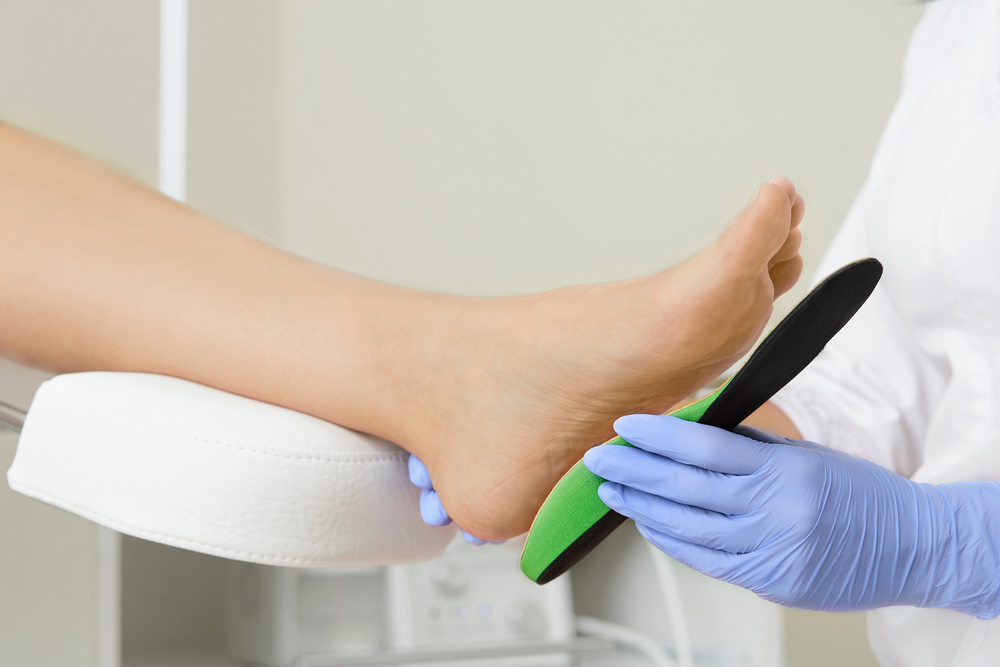
Custom orthotics are medical devices prescribed by a healthcare professional, such as a podiatrist, to correct specific foot and ankle problems. Unlike over-the-counter insoles, which provide generic cushioning, custom orthotics are crafted from a precise mold of your feet. This ensures they meet your unique biomechanical needs, providing support exactly where it’s required.
These devices work by realigning the foot and ankle into their most anatomically efficient position. By correcting alignment issues, orthotics can alleviate pain, improve function, and prevent further injury. They can address a wide range of conditions, from common foot ailments to complex gait abnormalities.
What Conditions Can Custom Orthotics Treat?
A podiatrist may recommend custom orthotics to manage various conditions affecting the feet, ankles, knees, hips, and even the lower back. Because the feet are the body’s foundation, any instability can cause a chain reaction of misalignment and pain throughout the body.
Common conditions treated with custom orthotics include:
- Plantar Fasciitis: By supporting the arch and cushioning the heel, orthotics reduce strain on the plantar fascia ligament.
- Flat Feet (Pes Planus): Orthotics can provide necessary arch support to correct overpronation and reduce associated muscle strain.
- High Arches (Pes Cavus): They help redistribute pressure away from the ball and heel of the foot, providing stability and cushioning.
- Bunions: Orthotics can help slow the progression of bunions by realigning the big toe joint and reducing pressure.
- Diabetic Foot Ulcers: By offloading pressure from sensitive areas, custom orthotics are crucial for preventing and managing diabetic foot complications.
- Arthritis: They can cushion joints and improve foot mechanics to reduce pain associated with osteoarthritis or rheumatoid arthritis.
Custom Orthotics Types and Materials
Not all custom orthotics are the same. The type and material used depend on your specific condition, activity level, and footwear. Your podiatrist will determine the best option for you.
Types of Orthotics
There are two primary categories of custom orthotics:
- Functional Orthotics: These are typically made from semi-rigid or rigid materials like plastic or carbon fiber. Their main purpose is to correct abnormal motion and control movement. They are highly effective for treating conditions caused by biomechanical issues, such as flat feet or improper gait.
- Accommodative Orthotics: These are softer and provide more cushioning and support. Made from materials like foam or cork, they are designed to relieve pressure from painful areas, making them ideal for conditions like diabetic foot ulcers or severe arthritis.
Common Materials
The materials chosen for your orthotics are just as important as the type.
- Rigid: Carbon fiber and firm plastics offer maximum control and support.
- Semi-Rigid: A combination of soft and rigid materials provides a balance of support and cushioning, making them suitable for athletes.
- Soft: Flexible, cushioned materials are used for accommodative orthotics to absorb shock and relieve pressure.
The Process of Getting Custom Orthotics
Obtaining custom orthotics involves a thorough evaluation by a qualified professional. At a podiatry clinic in Brooklyn, the process typically begins with a comprehensive assessment.
- Initial Consultation: A podiatrist will review your medical history, discuss your symptoms, and perform a physical examination of your feet and lower limbs.
- Gait Analysis: Your doctor will watch you walk to observe your foot mechanics and identify any abnormalities in your gait cycle.
- Casting: To create a device that perfectly matches your foot’s contours, a precise mold is taken. This can be done using a plaster cast, a foam box impression, or advanced 3D digital scanning technology.
- Manufacturing: The mold is sent to a specialized lab where your custom orthotics are fabricated according to the prescription of the podiatrist.
- Fitting: Once your orthotics are ready, you will have a fitting appointment to ensure they fit correctly in your shoes and are comfortable. Your podiatrist may make minor adjustments and will provide instructions on how to break them in.
Caring for Your Custom Orthotics
To ensure your orthotics remain effective and last as long as possible, proper care is essential.
- Clean them regularly with a damp cloth and mild soap. Avoid soaking them or using harsh chemicals.
- Air-dry them completely before placing them back in your shoes. Never use a heat source to dry them, as it can damage the materials.
- Remove them from your shoes at night to allow them and your shoes to air out.
- Inspect them periodically for signs of wear and tear. Most custom orthotics last for several years, but they may need refurbishment or replacement over time.
Custom orthotics are a powerful tool for treating a wide array of foot and lower limb conditions. By providing personalized support and correcting biomechanical imbalances, they can significantly reduce pain and improve your overall mobility. If you are experiencing persistent foot, ankle, or leg pain, consulting a specialist is the best course of action.
Are you ready to take the first step toward a pain-free life? Schedule a consultation at a reputable podiatry clinic in Brooklyn to determine if custom orthotics are the right solution for you. At Doral Health & Wellness, we have Podiatrists with extensive education and expertise. Our address is 1797 Pitkin Avenue, New York, NY 11212. To make an appointment, please call + 1 718 367 2555, or register your information and make direct contact with us at https://yuz88hfiyh7.typeform.com/Doralintake or send an email to info@doralhw.org.