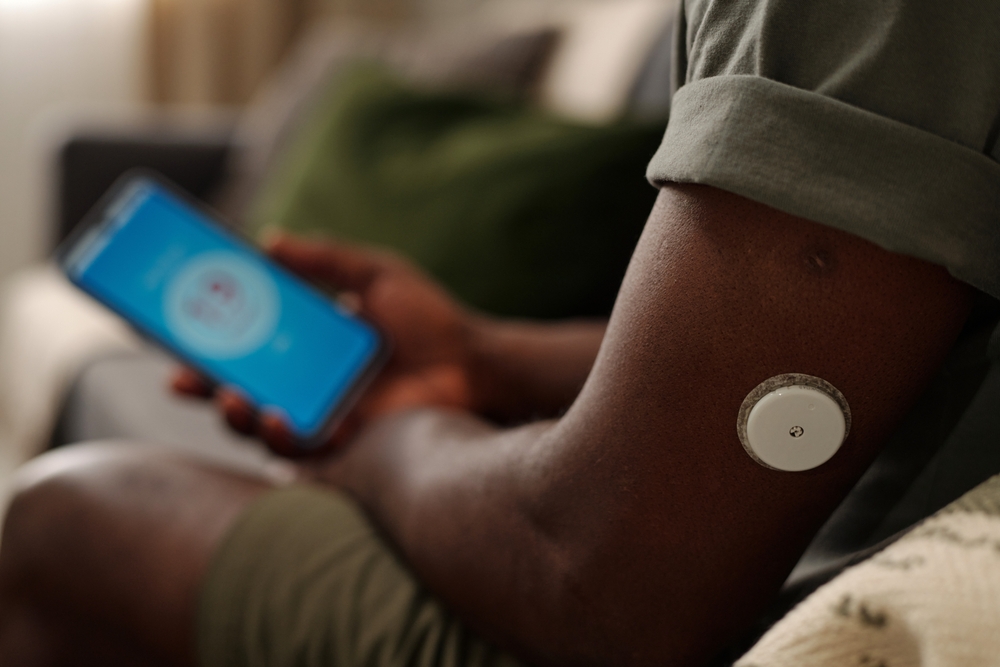
For decades, managing diabetes meant relying on frequent, painful finger pricks to get a single snapshot of blood sugar levels. This method, while necessary, often felt reactive and incomplete. Today, the landscape of diabetes care is being transformed by continuous Glucose monitoring devices. These innovative tools provide a constant stream of data, empowering users to make proactive decisions about their health. If you’re exploring your options, this guide will help you understand what a CGM is and what to look for when choosing the best continuous glucose monitor for your needs. At Doral Health & Wellness, we have all the answers you need.
How Do Continuous Glucose Monitor Devices Work?
A Continuous Glucose Monitor (CGM) is a compact medical system that tracks your glucose levels around the clock. Unlike traditional meters that measure glucose in the blood, CGMs measure glucose in the interstitial fluid—the fluid that fills the spaces between your cells.
The system consists of three main components:
- A Sensor: A tiny filament inserted just under the skin, usually on the arm or abdomen. It measures glucose levels every few minutes. Sensors are typically worn for 10 to 14 days (about 2 weeks) before needing replacement.
- A Transmitter: This sits on top of the sensor and wirelessly sends the glucose data to a display device.
- A Receiver or Smartphone App: This component displays your real-time glucose readings, shows trend arrows indicating which way your levels are heading, and stores your data history.
This constant feedback loop provides a dynamic view of your glucose patterns, revealing how factors like food, exercise, stress, and medication affect your body in real-time.
Finding the Best Continuous Glucose Monitor for You
With several CGM systems available, choosing the right one can feel overwhelming. The best continuous glucose monitor depends on your individual needs, lifestyle, and what you hope to achieve with the device. It’s a decision best made in consultation with a diabetes specialist.
Here are some factors to consider:
Key Features and Functionality
When comparing different continuous glucose monitor devices, look at these key aspects:
- Accuracy: How closely do the CGM readings match finger-prick blood glucose tests? Modern CGMs are highly accurate, but it’s an important factor to review.
- Calibration: Some CGMs require regular calibration with a finger-prick test to maintain accuracy, while others are factory-calibrated and require no finger pricks.
- Alerts and Alarms: Can you customize alerts for high and low glucose levels? Do they offer predictive alerts that warn you before you go out of range? This feature is crucial for preventing dangerous hypoglycemic or hyperglycemic events.
- Integration: Does the CGM integrate with other devices, like an insulin pump or a smart pen? A diabetologist can help you understand the benefits of a connected system.
- App and User Interface: Is the smartphone app easy to navigate? Does it provide clear graphs and reports that help you understand your data?
Lifestyle Considerations
Your daily routine plays a big role in which CGM will work best for you.
- Wear Time: How long does the sensor last? A longer wear time means fewer changes and greater convenience.
- Water Resistance: Can you swim, shower, or exercise while wearing the sensor?
- Discreetness: How small and comfortable is the sensor and transmitter?
A knowledgeable provider, such as a diabetes specialist in Brooklyn, can walk you through the different models available and help you compare them based on these criteria.
The Benefits of Using a CGM
Adopting a CGM can have a profound impact on diabetes management and overall quality of life.
- Reduced Finger Pricks: While occasional checks may still be needed, CGMs drastically reduce the number of daily finger sticks.
- Actionable Insights: Trend arrows show you the speed and direction of glucose changes, allowing you to act proactively. For example, if your glucose is dropping quickly, you can have a snack before it becomes too low.
- Improved Glycemic Control: By providing a complete 24-hour picture of glucose levels, CGMs help you and your diabetologist identify patterns and make more effective adjustments to your treatment plan. This often leads to a lower A1c and more “time in range.”
- Greater Peace of Mind: Customizable alarms for highs and lows, especially overnight, can reduce anxiety for both the person with diabetes and their loved ones.
The first step toward using a CGM is to talk with your healthcare provider. A diabetes specialist can confirm if a CGM is right for you, write a prescription, and help you get started with training and setup. They will also show you how to interpret the data to make meaningful changes.
For residents in New York, finding a local expert is key. A diabetes specialist in Brooklyn can provide the personalized guidance needed to successfully integrate a CGM into your life.
Embrace a New Era of Diabetes Management
Continuous Glucose Monitor Devices are more than just gadgets; they are powerful tools that offer freedom, flexibility, and a deeper understanding of your body. By moving beyond single-point-in-time measurements, you can take a more informed and proactive role in your health.
If you’re ready to explore how the best continuous glucose monitor can change your life, contact your healthcare provider. It’s time to move beyond the finger prick and embrace a clearer view of your diabetes. If you need help with diabetes management, visit us to get professional medical help. Our diabetologists create personalized treatment plans to ensure that you lead a fulfilling life. Book your appointment now, call us on + 1-718-367-2555 to get your condition treated!! Learn more about Diabetes at www.doralhw.org. and stay up to date on current health topics and new research. If you need help, register your information and make direct contact with us at https://yuz88hfiyh7.typeform.com/Doralintake. Or visit us at 1797 Pitkin Avenue, Brooklyn, NY 11212.