Deep Vein Thrombosis (DVT) is a serious condition that occurs when a blood clot forms in a deep vein, typically in the legs. If left untreated, the clot can travel to the lungs, causing a potentially life-threatening pulmonary embolism. Recognizing the symptoms—such as swelling, pain, or redness in one leg—is the first step, but a physical exam alone isn’t enough to confirm the condition. Understanding the available diagnostic tests for deep vein thrombosis is crucial for getting an accurate answer. Furthermore, knowing your deep vein thrombosis treatment options can empower you to work effectively with your doctor to manage the condition and prevent complications. This guide outlines how DVT is detected and the paths to recovery. Get a consultation with the best vascular disease specialists in Brooklyn.
Effective Diagnostic Tests for Deep Vein Thrombosis
Because DVT symptoms can mimic other conditions like muscle strains or skin infections, doctors rely on specific screenings to confirm the diagnosis. If you visit a vascular health specialist, they will likely recommend one or more of the following tests.
D-dimer Blood Test
This is often the first step in screening. The D-dimer test measures a substance in the blood that is released when a clot dissolves.
- What it means: If your D-Dimer level is normal, it is highly unlikely that you have a blood clot.
- Next steps: If the level is elevated, it doesn’t guarantee you have DVT, but it indicates the need for imaging tests to confirm.
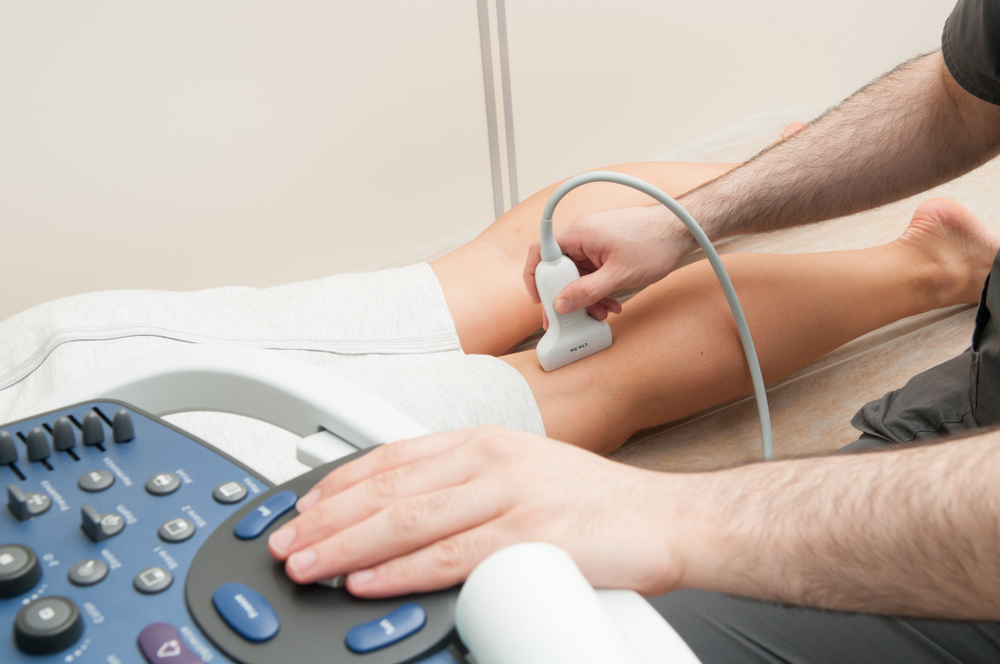
This is the most common test used to diagnose DVT. It is non-invasive and uses sound waves to create images of how blood flows through your veins.
- The Procedure: A technician moves a handheld device (transducer) over the area where a clot is suspected.
- The Result: The ultrasound can visualize the clot and detect blockages in blood flow. For residents in New York, the Doral Health & Wellness Vascular Health Department in Brooklyn can provide this imaging quickly and comfortably.
Venography
While less common today due to the accuracy of ultrasounds, venography is sometimes used if other results are unclear. It involves injecting a dye into a vein in the foot or ankle. An X-ray then tracks the dye as it moves up the leg, revealing any clots.
Exploring Deep Vein Thrombosis Treatment Options
Once a diagnosis is confirmed, the goal shifts to preventing the clot from getting bigger or breaking loose. Your deep vein thrombosis treatment options will depend on the size and location of the clot, as well as your overall health.
Blood Thinners (Anticoagulants)
These are the most common treatments. Blood thinners don’t actually dissolve existing clots, but they prevent new ones from forming and stop old ones from growing.
- Types: Options range from injections (like heparin) to oral pills (like warfarin or newer direct oral anticoagulants).
- Monitoring: Some medications require regular blood tests, while others do not. A vascular health specialist will determine the best regimen for you.
Clot Busters (Thrombolytics)
For severe cases where the clot is large or causing serious symptoms, doctors may use thrombolytics. These are strong drugs designed to break up clots quickly.
- Administration: They are usually delivered through an IV or a catheter placed directly into the clot.
- Risk: Because they carry a higher risk of bleeding, they are reserved for critical situations.
Inferior Vena Cava (IVC) Filters
If you cannot take blood thinners, a doctor might insert a small filter into the inferior vena cava, the large vein that carries blood from your lower body to your heart. This filter catches clots before they can reach your lungs.
Early detection is the key to managing DVT safely. By understanding the diagnostic tests for deep vein thrombosis, you can seek help the moment you suspect a problem. With modern medicine offering various deep vein thrombosis treatment options, recovery is highly achievable. If you have risk factors or symptoms, do not wait. Visiting a specialized vascular health clinic in Brooklyn ensures you receive expert evaluation and care. Our vascular health specialists are dedicated to providing the precise diagnostics and effective treatments needed to keep your circulation healthy and safe. For any vascular problems, call us on + 1-718-367-2555. The Vascular Disease Specialists at Doral Health & Wellness consistently have outstanding patient satisfaction ratings. The professionals at Doral Health & Wellness Vascular Health Department Brooklyn can improve your health and quality of life because of their vast training and experience. New Yorkers can get the greatest medical and surgical vascular care at Doral Health & Wellness Brooklyn. If you need help, register your information and make direct contact with our doctors at https://yuz88hfiyh7.typeform.com/Doralintake or send an email to info@doralhw.org. Visit us at 1797 Pitkin Avenue, Brooklyn, NY 11212.