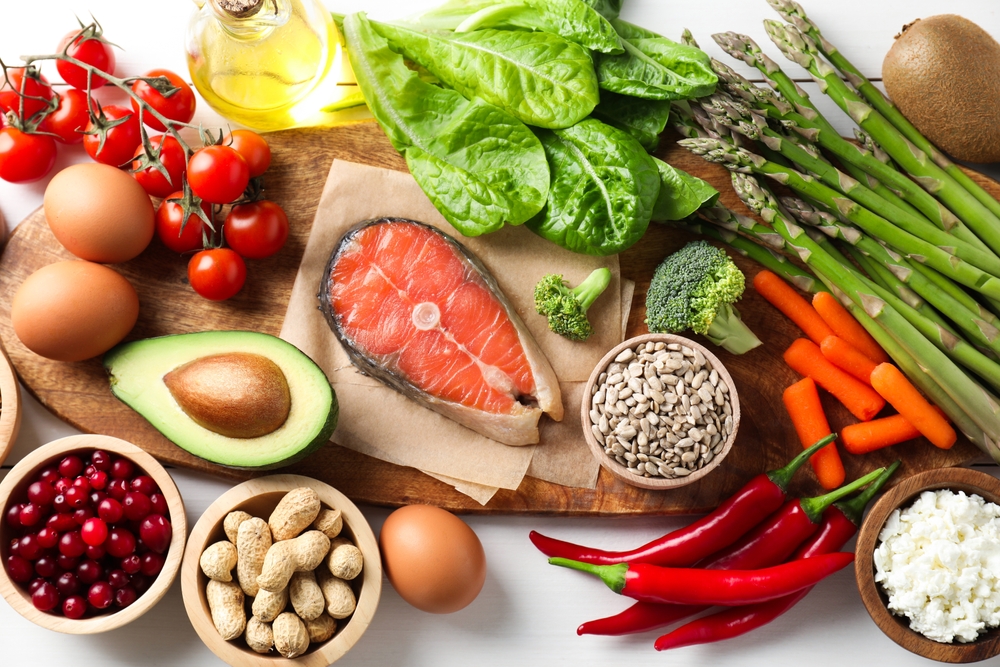
If your cholesterol level is higher than normal, you’re not alone—and you’re not without options. Elevated cholesterol can silently increase your risk of serious heart conditions, including heart attacks and strokes. However, the encouraging news is that high cholesterol is not a life sentence. With the right approach to cholesterol management, including mindful eating, regular physical activity, and targeted lifestyle improvements, you can take back control of your health.
This article offers essential insights into what causes high cholesterol and provides expert-approved tips for effective cholesterol management. Whether you’re just starting to take charge of your health or looking to improve your current regimen, these strategies can help support long-term heart health and overall wellness. For personalized guidance, schedule a consultation with the best cardiologists in Brooklyn and begin your journey toward better cholesterol management today.
Causes of High Cholesterol
Understanding the underlying causes of high cholesterol is a critical step in effective cholesterol management. Several lifestyle and biological factors can contribute to elevated cholesterol levels, many of which are preventable or manageable with the right approach.
Poor dietary choices: A major contributor to high cholesterol is the frequent consumption of foods rich in unhealthy fats—particularly saturated fats. These are commonly found in products like butter, cream, processed meats, palm oil, deep-fried foods, and many commercial baked goods. Over time, these fats increase the levels of LDL (bad cholesterol) in your bloodstream, putting your heart health at risk.
Lack of healthy fats: Surprisingly, not eating enough healthy fats can also be detrimental. Unsaturated fats found in avocados, fatty fish (like salmon and mackerel), nuts, seeds, olives, and plant-based oils play a vital role in raising HDL (good cholesterol), which helps remove LDL from the blood. For optimal cholesterol management, it’s essential to balance your fat intake wisely.
Insufficient fiber intake: A diet low in dietary fiber, especially soluble fiber, may allow LDL cholesterol to accumulate in your arteries. Foods like whole grains, legumes, fruits, vegetables, nuts, and seeds are excellent sources of fiber that can support healthy cholesterol levels.
Physical inactivity: Regular physical activity helps boost HDL cholesterol and control weight. A sedentary lifestyle, on the other hand, is strongly linked to increased LDL levels and a higher risk of heart disease.
Excess weight or obesity: Being overweight is a well-known risk factor for high cholesterol. It often coincides with metabolic imbalances that contribute to elevated triglycerides and lower HDL levels—two markers that can complicate cholesterol management.
Smoking: Tobacco use doesn’t just damage your lungs. It lowers HDL levels while damaging blood vessels, making it easier for cholesterol to build up and form dangerous plaques.
Genetic predisposition: In some cases, high cholesterol runs in families. Conditions such as familial hypercholesterolemia can cause cholesterol levels to spike even in individuals who maintain a healthy lifestyle. If you have a family history of early heart disease, cholesterol management becomes even more critical.
Excessive alcohol consumption: Drinking too much alcohol can raise your total cholesterol and triglyceride levels. While moderate alcohol may have some cardiovascular benefits, it should be consumed cautiously and with medical advice.
Underlying health conditions: Disorders related to the liver, kidneys, or thyroid can disrupt the balance of cholesterol in your body. Conditions like chronic kidney disease or hypothyroidism are frequently associated with high cholesterol levels.
Incorporating these insights into your daily routine is a powerful way to strengthen your cholesterol management strategy. If you’re unsure where to begin or need personalized support, speak with a healthcare provider or cardiologist who can guide you through a plan that fits your unique health needs.
Foods Cholesterol Management
When it comes to cholesterol management, your diet plays a critical role in lowering LDL (bad cholesterol) and supporting overall heart health. The right foods can help you maintain balanced cholesterol levels and even reduce your risk of heart disease over time. Below are some of the most powerful and research-backed foods you should include in your daily meals to support your cholesterol management goals:
1. Oats and Oat-Based Cereals
A daily serving of oats is one of the most effective food-based strategies for cholesterol management. Oats contain beta-glucan, a type of soluble fiber that binds to cholesterol in the digestive system and helps remove it from the body. Just one bowl of oatmeal can provide between 1 to 2 grams of soluble fiber. For an added boost, top your oats with sliced bananas or berries to increase fiber intake and add antioxidants that benefit heart health.
2. Whole Grains
Whole grains such as barley, quinoa, and brown rice are excellent sources of fiber and essential nutrients. Regular consumption of whole grains has been shown to lower cholesterol levels and support long-term cholesterol management. The soluble fiber in these grains helps reduce the absorption of cholesterol in the bloodstream, while also improving digestion and satiety.
3. Beans and Legumes
Beans are a fiber-rich, plant-based protein that support cholesterol management by slowing digestion and stabilizing blood sugar. They’re especially high in soluble fiber, which plays a key role in reducing LDL cholesterol. Because they digest slowly, beans also help you feel full longer, making them a smart choice for weight control—another essential element of managing cholesterol levels.
4. Nuts
Nuts such as almonds, walnuts, pistachios, and peanuts contain healthy fats, plant sterols, and other heart-protective compounds. Studies show that eating a small handful of nuts daily can significantly improve cholesterol management by lowering LDL cholesterol and improving the overall lipid profile. Their anti-inflammatory properties further contribute to better cardiovascular health.
5. Fruits and Vegetables
Fruits and vegetables are packed with antioxidants, vitamins, and fiber that work together to lower bad cholesterol and reduce inflammation. Including a variety of colorful fruits and vegetables in your diet not only supports cholesterol management but also enhances immune function and lowers the risk of chronic diseases. Research suggests that people who consume high amounts of plant-based foods have a substantially lower risk of heart disease.
6. Soy and Soy-Based Products
Soybeans, soy milk, tofu, and tempeh are excellent plant-based sources of protein. Including soy in your daily diet can lower LDL cholesterol by 5–6% when consumed in adequate amounts (around 25 grams of soy protein per day). Soy supports cholesterol management by reducing cholesterol production in the liver and providing a healthy alternative to animal-based proteins.
7. Fatty Fish
Fish like salmon, mackerel, sardines, and tuna are rich in omega-3 fatty acids. These healthy fats lower triglycerides, stabilize heart rhythms, and reduce inflammation. Eating fish two to three times a week is recommended for optimal cholesterol management, especially for those looking to protect against heart attacks and strokes.
8. Healthy Vegetable Oils
Replacing saturated fats (like butter and lard) with unsaturated fats from oils such as olive oil, sunflower oil, and canola oil is a smart move for cholesterol management. These oils help lower LDL cholesterol when used in place of saturated fats and provide essential fatty acids your body needs.
9. Low-Fat Dairy Products
Low-fat dairy products like yogurt, skim milk, and reduced-fat cheese are rich in calcium and protein while containing less saturated fat. Calcium plays a role in breaking down fat deposits and may assist in maintaining healthier cholesterol levels. Choosing low-fat dairy options is a heart-smart move for anyone focused on cholesterol management.
Foods to Avoid for Effective Cholesterol Management
When focusing on cholesterol management, it’s just as important to know what not to eat as it is to know what to include. Certain foods can significantly raise your LDL (bad cholesterol), increase triglyceride levels, and ultimately undermine your efforts toward better heart health. Here’s a closer look at the types of foods you should avoid or strictly limit to support long-term cholesterol management:
1. Foods Containing Trans Fats
Trans fats are among the most damaging types of fats for heart health. They increase LDL cholesterol while lowering HDL (good cholesterol), making them especially harmful for those aiming for effective cholesterol management. Trans fats are often found in packaged and processed foods such as store-bought pastries, cookies, crackers, margarine, and ready-to-eat baked goods.
They also hide in fried fast foods, frozen meals, and even microwave popcorn. Eliminating or reducing your intake of these items is a crucial step in managing cholesterol levels and preventing cardiovascular issues.
2. High-Sodium, High-Cholesterol Foods
While sodium doesn’t directly increase cholesterol, it can raise your blood pressure—a serious risk factor for heart disease that often accompanies high cholesterol. Many people consume excessive salt without realizing it, especially through processed or restaurant foods like breads, rolls, processed chicken, pizza, sandwiches, and canned soups. For optimal cholesterol management, it’s essential to reduce sodium intake while also paying attention to the cholesterol and fat content in these foods.
3. Processed Meats and Fatty Red Meats
Processed meats such as sausages, bacon, hot dogs, and deli meats contain high levels of saturated fat and cholesterol, both of which negatively impact cholesterol management. These products are also loaded with preservatives and sodium. Beyond increasing your LDL cholesterol, regular consumption of processed meats is linked to chronic illnesses including colorectal cancer and heart disease.
For anyone working on cholesterol management, replacing these meats with lean proteins like legumes, tofu, or grilled fish is a smarter and healthier option.
4. Sugary Foods and Beverages
Sugary foods might not seem like a direct cause of high cholesterol, but excessive sugar intake leads to weight gain, insulin resistance, and inflammation—all of which can worsen your lipid profile. Cakes, candies, sodas, sweetened yogurts, and sugary breakfast cereals can all contribute to elevated triglyceride levels and poor cholesterol management. Studies show that diets high in added sugars are linked with higher LDL and lower HDL levels, making sugar reduction an essential piece of the cholesterol management puzzle.aas
To keep your body functioning properly you need cholesterol to repair and build nutrients. However, elevated levels of bad cholesterol can increase the risk of heart disease or stroke. So, you need to consume food that lowers your cholesterol levels and keeps your heart healthy.
Add the above-mentioned foods to your diet to lower your cholesterol levels and try to limit or avoid foods that increase your bad cholesterol levels.
If you are experiencing high cholesterol levels or heart problems, don’t worry, we are here to help. Visit our cardiologist in Brooklyn, to get professional help and guidance on how to manage your problem. Call us for a free consultation!!!
The Cardiologists at Doral Health & Wellness consistently have outstanding patient satisfaction ratings. The professionals at Heart Specialist Brooklyn are able to greatly improve their patient’s health and quality of life because of their vast training and experience. New Yorkers can get the greatest medical, surgical, and cardiovascular care at Cardiology – Doral Health & Wellness NY. Visit us at 1797 Pitkin Avenue, Brooklyn, NY 11212. You can reach us on +1(347) 384-5690 to schedule a consultation.