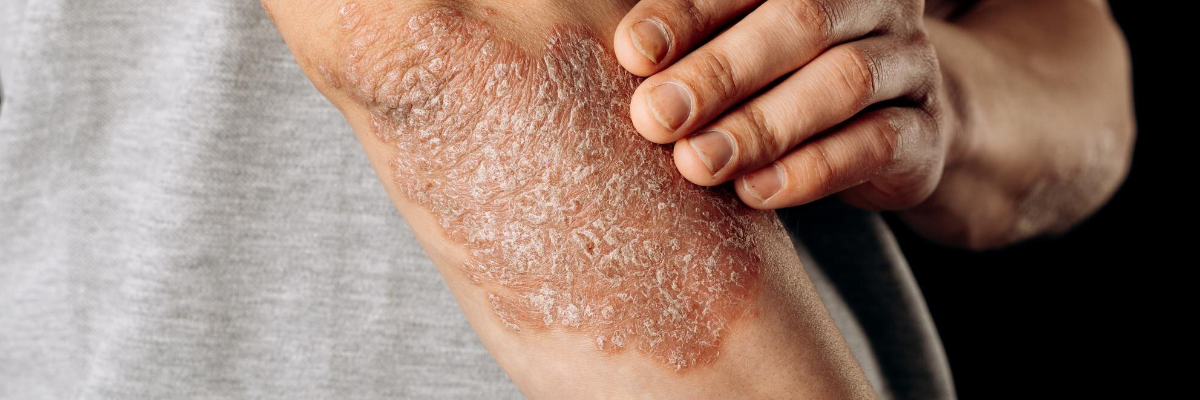
Eczema, or atopic dermatitis, is a chronic inflammatory skin condition that results in dry, itchy, and inflamed skin. For many individuals, there is a strong connection between eczema and allergies, often referred to as an eczema allergy. This link means that exposure to certain allergens can trigger or worsen flare-ups. Understanding your specific eczema allergy symptoms is the first step toward finding effective eczema allergy relief. A comprehensive management plan involves consistent skincare, diligent eczema allergy prevention by avoiding triggers, and targeted medical treatment to control symptoms and improve skin health.
At Doral Health & Wellness, we are proud of our commitment to providing integrated, interdisciplinary health services to our community. Our expert physicians are dedicated to delivering trusted medical treatments and personalized guidance for complex conditions like eczema. We invite you to connect with our innovative medical facility for comprehensive and supportive care.
Understanding Eczema Allergy Symptoms
The “atopic march” is a term used to describe the progression of allergic diseases, often beginning with eczema in infancy, followed by food allergies, hay fever, and asthma. The symptoms of an eczema allergy are primarily related to skin inflammation and a compromised skin barrier.
- Intense Itching (Pruritus) – This is the most prominent and distressing symptom. The itching can be severe, often leading to a disruptive itch-scratch cycle that further damages the skin.
- Dry, Sensitive Skin – The skin loses moisture easily, making it feel persistently dry and sensitive to irritants.
- Inflamed, Discolored Skin – During a flare-up, patches of skin may become red or brownish-gray, depending on skin tone.
- Rough, Leathery, or Scaly Patches – Chronic scratching can cause the skin to thicken and become leathery, a process called lichenification.
- Oozing or Crusting – Scratching can break the skin, leading to oozing and crusting, which increases the risk of infection.
Triggers and Eczema Allergy Prevention
A key component of managing eczema is identifying and avoiding the factors that trigger your flare-ups. This proactive approach to eczema allergy prevention can significantly reduce the frequency and severity of your symptoms.
Common Eczema Triggers
- Environmental Allergens – Common culprits include dust mites, pollen, pet dander, and mold. These allergens can trigger a flare-up upon contact with the skin or when inhaled.
- Food Allergens – In some individuals, particularly young children, certain foods like cow’s milk, eggs, nuts, soy, and wheat can trigger eczema.
- Irritants – These are substances that can directly irritate the skin. They include harsh soaps, detergents, fragrances, certain fabrics like wool, and chemicals.
- Climate and Temperature Changes – Very dry air (low humidity), as well as sudden changes in temperature or sweating from heat and exercise, can provoke a flare.
- Stress – Emotional stress is a well-known trigger that can cause eczema to flare without any physical cause.
A consultation with the best allergy doctor can include testing to precisely identify your environmental or food triggers.
Skincare Routines for Eczema Allergy Relief
Consistent, gentle skincare is the foundation of effective eczema management. The goal is to repair the skin barrier, retain moisture, and reduce inflammation. This daily routine is crucial for both eczema allergy relief during a flare and for preventing future ones.
The “Soak and Seal” Method
This is a highly effective technique recommended by dermatologists and allergists.
- Soak – Take a lukewarm (not hot) bath or shower for 5-10 minutes. Use a gentle, fragrance-free cleanser only where needed. Avoid scrubbing the skin.
- Seal – Immediately after bathing, gently pat the skin partially dry with a soft towel, leaving it slightly damp. Within three minutes, apply a generous amount of a thick moisturizer (ointment or cream) all over the body to lock in moisture.
Choosing the Right Products
- Cleansers – Look for soap-free, pH-balanced, and fragrance-free cleansers.
- Moisturizers – Ointments (like petroleum jelly) and thick creams are more effective than lotions because they have a higher oil content. Look for products with the National Eczema Association Seal of Acceptance™.
An experienced allergy doctor NY can provide specific product recommendations tailored to your skin’s needs.
Medical Eczema Allergy Treatment Options
When a good skincare routine and trigger avoidance are not enough to control symptoms, medical intervention is necessary. An allergist or dermatologist can prescribe treatments to calm inflammation and break the itch-scratch cycle.
Topical Treatments
These are medications applied directly to the skin.
- Topical Corticosteroids – These are the most common prescription treatment for reducing inflammation and itching during a flare-up. They come in various strengths.
- Topical Calcineurin Inhibitors (TCIs) – These non-steroidal medications, such as pimecrolimus and tacrolimus, also reduce inflammation and are particularly useful for sensitive areas like the face and eyelids.
- PDE4 Inhibitors – Crisaborole (Eucrisa) is another non-steroidal option that works to reduce inflammation and itching.
Advanced Systemic Treatments
For moderate to severe eczema that doesn’t respond to topical treatments, a physician may recommend systemic medications that work throughout the body.
- Biologics – These are injectable medications, such as dupilumab (Dupixent) and tralokinumab (Adbry), that target specific parts of the immune system responsible for the inflammation in atopic dermatitis.
- Oral Immunosuppressants – Medications like methotrexate or cyclosporine may be used in severe cases to suppress the immune system.
- JAK Inhibitors – Newer oral medications like upadacitinib (Rinvoq) and abrocitinib (Cibinqo) work by blocking specific immune pathways to reduce inflammation quickly.
Finding the best allergy doctor near me is essential for accessing these advanced and life-changing therapies.
Your Partner in Skin Health
Managing an eczema allergy is a journey that requires a comprehensive and consistent approach. By understanding your eczema allergy symptoms, focusing on eczema allergy prevention through trigger avoidance, committing to a gentle skincare routine, and working with a specialist on a medical treatment plan, you can achieve significant and lasting eczema allergy relief.
For expert and compassionate allergy and dermatology care in the East New York community, trust the specialists at Doral Health & Wellness. Our dedicated team provides advanced diagnostics and a full spectrum of services to create a personalized management plan for you. To schedule a consultation with the best allergy doctor, contact Doral Health & Wellness today at 1-718-365-2555 or visit us at 1797 Pitkin Avenue, Brooklyn, New York 11212. For general information about Doral Health & Wellness services, you can contact or email info@doralhw.org.